
Reviewed · WALKING TOURS IN LIVERPOOL
The Story of Liverpool 2-Hour Walking Tour
A walk through Liverpool’s money, ships, and myths. I love how fast this tour helps you get your bearings with key waterfront buildings, and I also love how it links famous names to real places, especially the Titanic engineering memorial at the start. One thing to consider: it can cover heavy themes (slave trade, war, merchant power), so if you want a purely light, casual sightseeing loop, this may feel intense.
This is built for a short visit, about two hours at an easy pace, with a small group capped at 12. It’s led in English, with a mobile ticket, and it starts right on the Pier Head area so you waste less time getting to the good stuff.
If the weather turns nasty, expect it. A couple of people note rain in the mix, so plan to bring a waterproof layer and stay flexible.
In This Review
- Quick highlights I’d circle before you go
- A 2-hour Liverpool primer with Titanic and trade links
- Getting started at the Marine Engine Room Heroes memorial
- Pier Head churches tied to slavery and reclaimed land
- Town Hall frieze carvings, merchant power, and a Confederate connection
- Royal Liver and the White Star Line: two icons in one walk
- Three Graces at Pier Head, plus the Mersey Tunnel engineering note
- Albert Dock, wartime use, and what to do after
- Salthouse and Canning Docks: stones, graving docks, and the work behind it
- Thomas Steers Way and Liverpool Water Street: old docks and odd bank notes
- Price, pace, and value for a short Liverpool visit
- Weather tips and how to get the most out of a waterfront walk
- Should you book this Liverpool walking tour?
Quick highlights I’d circle before you go
- Titanic details you might not expect, starting with the Engine Room Heroes memorial and how wireless and lighting failed
- A Pier Head church where the Mersey once lapped the steps, and where slave traders including Bryan Blundell were buried
- Town Hall trade carvings that visually spell out how Liverpool’s merchants built wealth
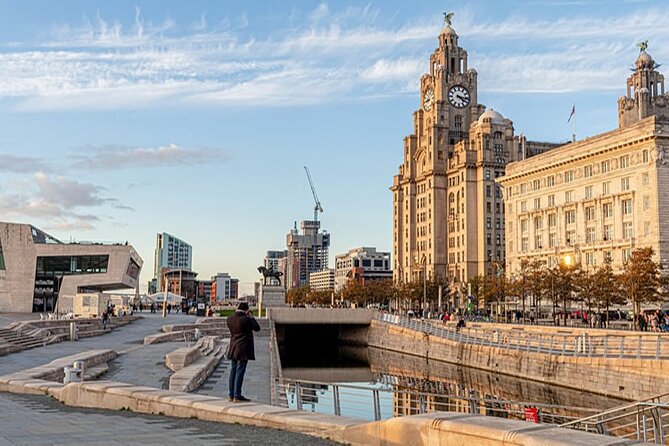
- Three Graces views plus the engineering note about the Mersey Tunnel
- Dockside remnants like the Old Dock outline in pavement and a glass viewing window
A 2-hour Liverpool primer with Titanic and trade links
This tour works because it’s not trying to do everything. In about two hours, you get a street-level story of Liverpool’s rise through shipping, banking, and industrial power, plus the darker side that fueled that growth.
You’ll see several landmarks people already recognize from postcards, but the guide keeps the focus on what those buildings meant. The best moments are the ones that connect a dramatic event, like the Titanic, to a specific Liverpool address and a specific brick-and-stone setting.
Because you only have 2 hours, it helps to think of this as an orientation walk. You’ll come away with questions, and you’ll know where to go next.
More Walking Tours in Liverpool
Getting started at the Marine Engine Room Heroes memorial
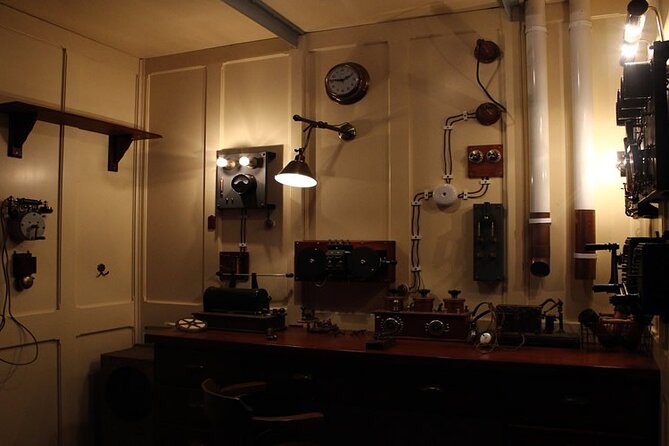
You begin at the Memorial to the Marine Engine Room Heroes of the Titanic, on St Nicholas Pl, Canada Blvd (Liverpool L3 1QW). From the first stop, the guide frames what made the Titanic so hard to respond to after things went wrong: when the ship sank, lights and wireless communication failed, and panic would have been immediate.
The tour includes the specific detail that power for the wireless set lasted until about 10 minutes before she sank, with the lights failing roughly 2 minutes before the sinking. It also emphasizes that none of the engineers survived. It’s a strong, sobering opening, and it sets the tone for the rest of the walk.
Practical note: because you start at a waterfront area, this is where waterproof shoes matter most if it’s wet.
Pier Head churches tied to slavery and reclaimed land
Moving along the Pier Head area, the walk brings you to Our Lady and Saint Nicholas Church and Garden, one of the oldest buildings in Liverpool. Here you get a real sense of how the city’s shape changed. The Mersey used to lap the steps at high tide, before land reclamation for George’s Dock pushed the shoreline back.
What makes this stop memorable is the way it connects worship, commerce, and burial records to the people who profited from the slave trade. The guide points out that slave traders are buried here, including Bryan Blundell.
If you care about accurate place-based history, this stop is a big win. It’s not abstract. It’s tied to a building you can see, in a spot where the waterline used to be.
Town Hall frieze carvings, merchant power, and a Confederate connection
Two stops in this stretch explain why Liverpool’s wealth looked so grand on the surface. First up, Tithebarn Street: when the American Civil War broke out, Britain kept a neutral stance, but Liverpool merchants leaned toward the Confederacy. You’ll pass the unofficial Confederate Embassy and hear how a company became the unofficial bankers for the Confederate states.
Then you’ll reach Liverpool Town Hall, often described as one of the city’s finest buildings. The story here is about spending on purpose. Merchants funded the construction and spared no expense on architectural design and interior decoration.
Around the Town Hall’s frieze, you can see carvings linked to trade that enabled Liverpool’s wealth. The guide highlights elephants, camels, African people, ivory, and a mix of flora and fauna. Standing close to those details helps you see how visual symbolism was used to normalize power and profit.
One caution: if you prefer stories that avoid uncomfortable topics, this section may feel like a reality check.
Royal Liver and the White Star Line: two icons in one walk
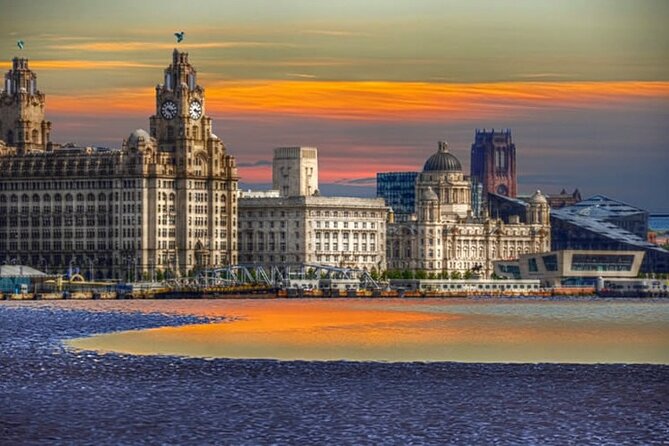
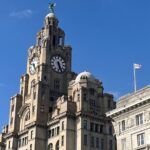
If you only know Liverpool from images, the Royal Liver Building is likely on your list. This stop is a straightforward highlight: it’s the most famous building in Liverpool, admired and loved by locals and visitors. The guide also explains how it was constructed and what was on the land before the building went up.
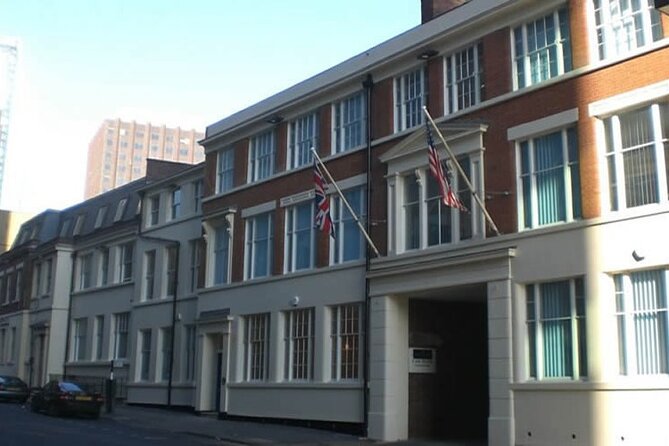
A short walk later, you’ll see Albion House, the White Star Line headquarters. If you’ve seen the Titanic film, the guide will likely connect what you remember to what happened in Liverpool at the time. You can also see the balcony where staff read out the list of names of those who died in 1912.
I like pairing these two landmarks because they show two sides of the same identity. One building is civic and iconic, the other is corporate and linked to a specific disaster response process.
More England on foot, brolly optional:
- Downtown Liverpool Walking Tour – In Spanish★ 5.0 · 591 reviews
- Best Of Liverpool Heritage, History & Culture Guided Walking Tour★ 5.0 · 539 reviews
- Tales from the Necropolis – A Ghost Walk Through St. James Cemetery★ 5.0 · 263 reviews
- Liverpool Hidden History and Dead House Evening Walking Tour★ 5.0 · 200 reviews
Three Graces at Pier Head, plus the Mersey Tunnel engineering note

Back toward the waterfront, the tour slows just enough to focus your eyes. You’ll learn about the Mersey Tunnel and the engineering feat behind it before the walk finishes with the final two buildings of the Three Graces: the Cunard Building and the Mersey Docks and Harbour Building.
This section is valuable because it gives you a mental map. Once you’ve seen where these buildings sit, it’s easier to understand why the Pier Head area feels like Liverpool’s “front door” to the world.
Even if you don’t go inside any museums right away, this part helps you read the skyline. You start noticing proportions, materials, and how each firm wanted to look official, permanent, and global.
Albert Dock, wartime use, and what to do after
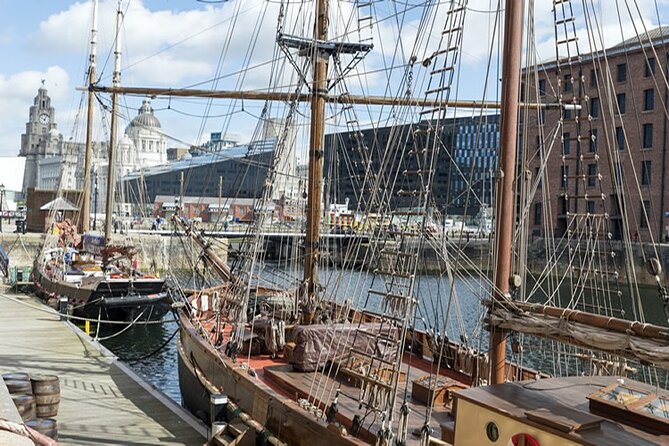
Next comes Albert Dock, one of the key dock areas that shaped Liverpool’s commercial life. The guide walks you through its history, how it was designed and built, and the role it played during the Second World War.
The wartime angle matters here. A lot of people think of docks only as trade lanes. You get reminded that ports are also strategic infrastructure during conflict.
The best part is what the guide points you toward at the end of the stop. You can visit the Tate Gallery and the Maritime Museum, and the International Slavery Museum is also nearby if you want to keep learning after the walking tour ends. The tour itself doesn’t try to replace those visits, but it sets you up to choose where your curiosity leads next.
This is a good stretch for photos, as long as you watch your footing near dockside edges.
Salthouse and Canning Docks: stones, graving docks, and the work behind it
As you continue, the walk passes Salthouse Dock and Canning Dock. This is a details stop in a good way. You’ll see that massive stones from Liverpool Castle were used in the construction, which is one of those facts that makes you look twice at what you’re seeing.
Then comes the graving docks, where slave ships were refurbished after the transatlantic journey. The guide explains that the goal was preparation for returning to Africa and restarting the trading process.
That’s heavy material, but it also helps you understand how organized and repeatable the system was, not just tragic in isolated moments. If you want a more straightforward “architecture only” tour, you might skip later museum visits and still feel like you got something meaningful here.
Wear layers and plan for stands of wind. Waterfront wind can make a 10-minute stop feel longer.
Thomas Steers Way and Liverpool Water Street: old docks and odd bank notes
The tour ends with two smaller, high-interest moments. At Thomas Steers Way, you’ll see an outline of the Old Dock laid out in the pavement. There’s also a glass viewing window that lets you view a section of the dock below.
This is one of my favorite kinds of stops because it makes history physical. You’re not just told that docks existed. You can trace where they once were, then look down into the space they left behind.
Finally, at Liverpool Water Street, the guide brings in banking. You’ll learn that the Bank of Liverpool existed and even produced its own currency notes, and you’ll see the building that still stands.
This closing run ties everything together. Ships, money, and infrastructure were the same ecosystem, just viewed from different angles.
Price, pace, and value for a short Liverpool visit
At $40.22 per person for around 2 hours, the value depends on what you want from your time. If you’re sightseeing solo and hate wasting hours figuring out “where to start,” this is the kind of tour that pays you back quickly with direction.
The small group size, capped at 12, also matters. It’s usually easier to hear the guide and easier to ask a question than on large coach tours. You’ll spend most of your time walking at an easy pace, with short visits at each landmark to keep momentum.
Also note that the tour lists admission as free at each stop. That means your money goes into the guide and the route design, not into ticketing stress.
My practical take: this is a strong choice for first-timers, people with limited time, and anyone who likes their city history explained in plain language.
Weather tips and how to get the most out of a waterfront walk
This experience requires good weather. If conditions are poor, you’ll be offered a different date or a full refund. Even if it’s not canceled, you might still get wet, since the route is mostly outside and near the water.
I’d plan for:
- A waterproof jacket or packable rain layer
- Shoes with grip, especially around dockside surfaces
- A water bottle (it’s easy to underestimate how far you’ll walk when each stop includes a story)
If you like to take photos, keep your hands free. Waterfront wind makes umbrellas a hassle.
Should you book this Liverpool walking tour?
Book it if you want a tight, guided orientation to Liverpool that includes both big-name landmarks and the uncomfortable realities behind Liverpool’s trading system. It’s ideal if you’re in town for a short time, or if you want a structured walk that tells you what to notice when you explore on your own afterward.
Skip it only if you’re looking for a purely scenic, light route with no political or moral context. This walk is honest about how Liverpool’s wealth was built, and it moves through that story quickly but clearly.
If you do book, go in with one mindset: use this tour to learn where the city’s stories are written into stone, and then follow your favorite threads into museums, viewpoints, and streets you want to revisit.
Latest to join the queue for Liverpool



Walking Tours in Liverpool, compared.
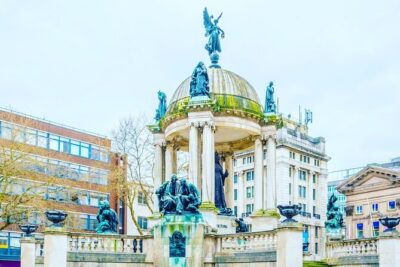
A Walk Through Time: History of Liverpool Walking Tour
Read our review →
Beatles Famous Walking Tour Of Liverpool- Fully Guided
Read our review →
Downtown Liverpool Walking Tour – In Spanish
Read our review →
Best Of Liverpool Heritage, History & Culture Guided Walking Tour
Read our review →
Tales from the Necropolis – A Ghost Walk Through St. James Cemetery
Read our review →
Liverpool Hidden History and Dead House Evening Walking Tour
Read our review →
Reel Tours: Liverpool Film Location Walking Tour
Read our review →Browse the lists this tour appears in