
Reviewed · WALKING TOURS IN LIVERPOOL
A Walk Through Time: History of Liverpool Walking Tour
Liverpool reads like a history book.
This walking tour strings together key places across the city, with a historian guide who brings the stories to life, plus a route packed with port, trade, and dock history. I like the sheer number of landmark stops in about two hours, and I like how the guide ties each spot to the bigger Liverpool story, from medieval beginnings to the world-famous waterfront. One thing to watch: it runs as an outdoor walk and the waterfront can get cold and windy, so dress for real weather.
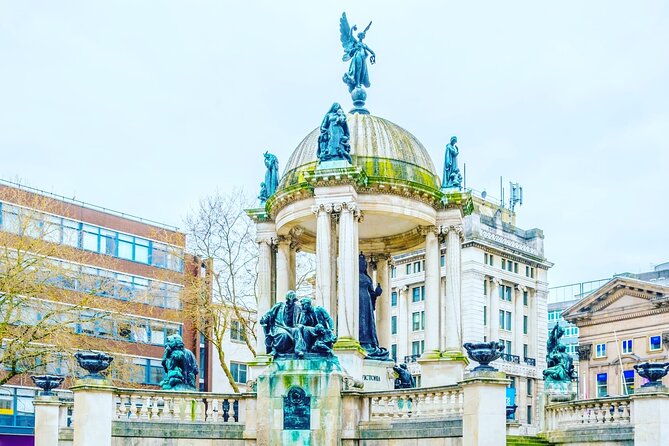
You start at the Royal Liver Building at Pier Head, then work your way through the Strand, the old trading streets, and the docks. The walk ends near Queen Victoria Monument by Castle Street, which is handy because you’re dropped right where you can keep exploring on foot or jump on public transport.
In This Review
- Key Things I’d Plan For
- Getting Your Bearings at the Three Graces
- Parish Church Gardens and the Medieval Roots of Liverpool
- Old Hall Street, Cotton Exchange, and the Trade That Changed Everything
- Liverpool Town Hall Built in 1749, and Why It Signals Big Ambition
- Castle Street and the 18th Century Time Jump to Queen Victoria Monument
- Liverpool ONE: The Modern Layer After the Port Story
- The Old Dock Tour and 1715: When Port Efficiency Became a Superpower
- Royal Albert Dock Liverpool: 1846, Commerce, and War-Time Reality
- Royal Liver Building Finale: Three Graces and the Waterfront View
- Price, Time, and Why This Walk Feels Like Good Value
- Weather, Shoes, and How to Get the Most From the Guide
- Should You Book This Liverpool History Walking Tour?
- FAQ
- How long is the walking tour?
- How much does it cost per person?
- Where does the tour start and end?
- Is the tour in English?
- Are admission tickets included for every stop?
- What is the group size like?
- What happens if the weather is poor?
- Can I get a refund if I cancel?
- Is the ticket mobile?
- Should You Book This Liverpool History Walking Tour?
Key Things I’d Plan For
- Royal Liver Building to Three Graces first, with context for why these sculptures matter to Liverpool’s identity
- Medieval clues at the Parish Church Gardens where the city’s earliest roots are discussed, including origins tied to St. Nicholas’ Church
- Old Hall Street to Cotton Exchange to understand how trade power shifted, including the cotton boom era
- Town Hall and Georgian Liverpool to connect commerce, civic pride, and architecture built in 1749
- 1715 Old Dock and Royal Albert Dock for a clear timeline of port engineering and global trade
- A brisk but manageable pace with short stops, and a guide who keeps you asking questions (and listening when answers come fast)
Getting Your Bearings at the Three Graces
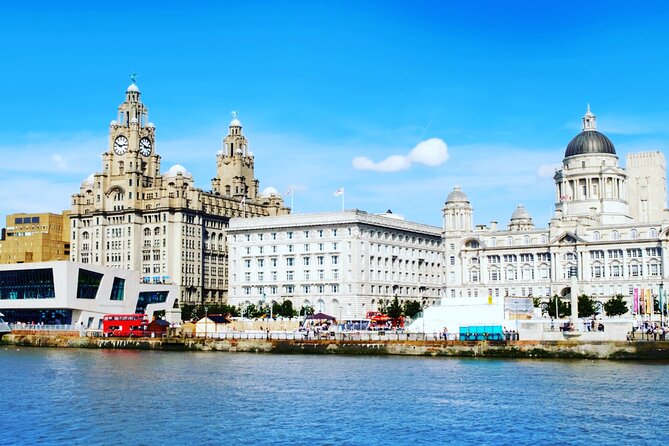
Your walk begins at the Royal Liver Building at Pier Head, the place locals point to when you say I want the classic Liverpool waterfront view. Before you start moving, you get an introduction to the tour and the story behind Liverpool’s Three Graces.
This first stop matters because it sets the “why should I care” tone. You’re not just looking at pretty waterfront buildings, you’re learning how Liverpool built its reputation on global connection and maritime power. Even if you’ve seen photos of the Three Graces before, the guide’s framing helps those landmarks click into place.
One practical tip: wear something you can move in. The early stretch is straightforward, but you’ll be outdoors most of the time, and the schedule is built around repeated short photo-and-story stops.
More Walking Tours in Liverpool
Parish Church Gardens and the Medieval Roots of Liverpool
Next you cross toward the Strand area for the Liverpool Parish Church Gardens, where the tour focuses on the site of St. Nicholas’ Church. The connection to the sea is clear from the name, and the talk ties Liverpool’s early identity to maritime trade and the Atlantic-facing world.
This is one of the tour’s smartest moves because it resets your timeline. Instead of jumping straight into docks and warehouses, you start with the older layers of the city, including discussion of medieval origins linked to 1207 and evidence of Liverpool’s formation in the 13th century.
The “value” here is not just facts. It’s perspective. When you understand what came before the port boom, later stops about trading streets and docks stop feeling like separate attractions and start feeling like one long story.
Do expect this to be a standing and walking mix. The stop is about 15 minutes, so you’ll want to keep your questions short and focused.
Old Hall Street, Cotton Exchange, and the Trade That Changed Everything
Then you move down Old Hall Street, a street tied to the 13th century and the old town area after Liverpool received its town charter. The tour points out Grade I listed buildings as you go, and it zooms in on what happened when Liverpool’s trading power surged.
The key idea at this stage is commerce. The walk connects the local street grid to global networks, especially the Atlantic trade. You also get the cotton angle, including the era when Liverpool’s cotton trade was overtaking London by the late 18th century.
This is where the tour earns its keep for first-time visitors. A lot of walking tours list big sites. This one uses streets and building sites as proof of how money, goods, and ships shaped real neighborhoods.
One note: if you prefer slow, long explanations at each stop, this portion may feel quick. The guide packs details into a short window, and you’ll likely want to listen closely the first time.
Liverpool Town Hall Built in 1749, and Why It Signals Big Ambition
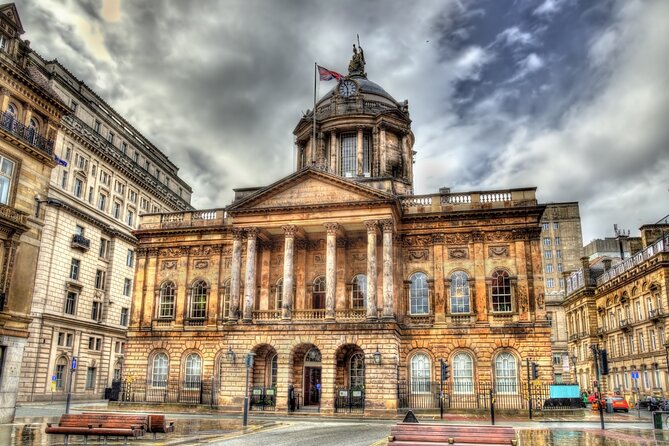
After Old Hall Street, you reach Liverpool Town Hall, built in 1749. It’s presented as the finest surviving Georgian building in the UK, and the guide uses it to explain how Liverpool grew into a global port and commerce center.
This stop is about civic confidence. A town hall is not built just because it looks good. It’s built when a city expects to matter, and Liverpool’s maritime wealth fed that expectation.
At the same time, don’t assume you’ll be inside. This stop is marked as admission not included, so you should treat it as an exterior-focused storytelling moment unless you choose to purchase entry separately.
If you like architecture plus economic history, this is a strong anchor stop. It gives you a “how did a port city think about itself” moment right in the center of town.
Castle Street and the 18th Century Time Jump to Queen Victoria Monument
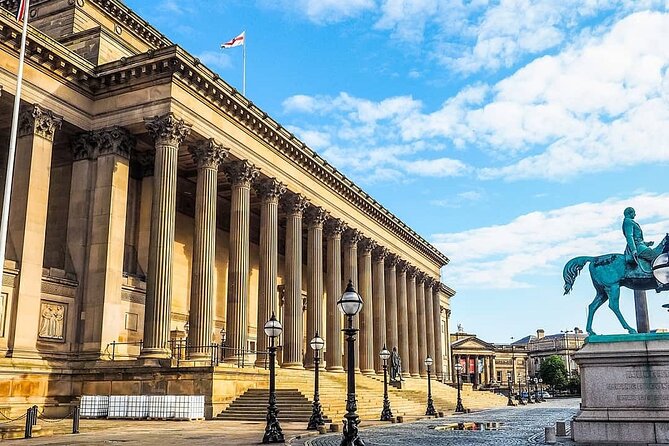
From there, you walk down Castle Street, a route the tour describes as a literal time walk through evolving architecture. The street is tied to the broader development of Liverpool, and the guide connects it to the importance of Liverpool Castle and the city’s growth.
This section is one of those “street-level history” experiences. You’re seeing how a city expands, not just reading about it. Castle Street helps you connect waterfront commerce to inland streets and public buildings.
You then end up at the Queen Victoria Monument, where the tour’s story shifts to the 18th century and the push toward Liverpool becoming the largest port for global trade by 1800. If you want the headline timeline, this is where you get it.
Expect another short stop for about 10 minutes. It’s enough time to absorb the core theme, but not enough time for wandering off. Keep the group pace in mind and you’ll get the most out of it.
More England on foot, brolly optional:
- Best Of Liverpool Heritage, History & Culture Guided Walking Tour★ 5.0 · 539 reviews
- Tales from the Necropolis – A Ghost Walk Through St. James Cemetery★ 5.0 · 263 reviews
- Liverpool Hidden History and Dead House Evening Walking Tour★ 5.0 · 200 reviews
- Reel Tours: Liverpool Film Location Walking Tour★ 5.0 · 188 reviews
Liverpool ONE: The Modern Layer After the Port Story
After the older city stops, the tour brings you into Liverpool ONE, the modern shopping area. Here, you get a guided look at the destination and its shops and attractions.
This part can be a surprise if you booked for pure medieval-to-docks history. But it actually helps the arc of the tour, because it shows Liverpool did not stop at the waterfront glory days. The city keeps changing, and today’s central spaces reflect that shift.
In practical terms, it also gives you a mental reset. After a string of historical streets, you get something lighter and more contemporary to walk through.
If you hate shopping zones, you can still treat this as a “walk-through wayfinding” moment. You’re learning where the modern city center sits in relation to the earlier layers.
The Old Dock Tour and 1715: When Port Efficiency Became a Superpower
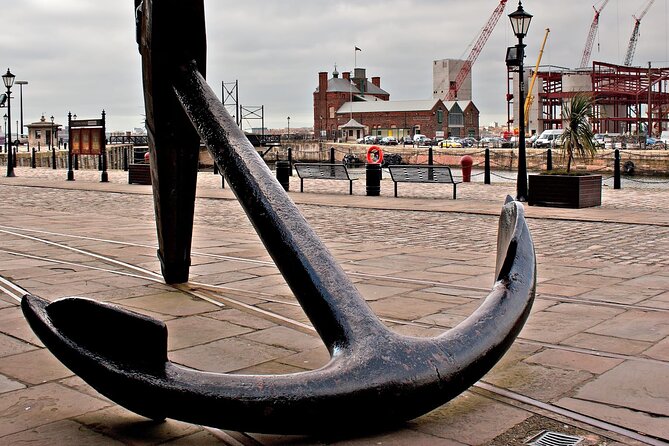
Then you move into the dock-focused heart of the walk, starting with the Old Dock site. The tour highlights it as the first commercial wet dock on the planet, built in 1715, and it explains how that technology helped Liverpool become exceptionally efficient as a port.
This is a big reason the tour works. It doesn’t only romanticize ships. It talks about systems: loading, unloading, and the engineering choices that made trade move faster and with fewer headaches.
You get an exclusive guided history walkthrough of the Old Dock site during a stop of about 10 minutes. That short time limit means the guide will hit the big points, not bury you in technical detail. If you like clear cause-and-effect stories, this will land well.
A good mindset here: think like an importer or exporter. Ask yourself what matters for trade. Water access, docking design, and schedule reliability matter, and the tour frames why Liverpool invested in those advantages early.
Royal Albert Dock Liverpool: 1846, Commerce, and War-Time Reality
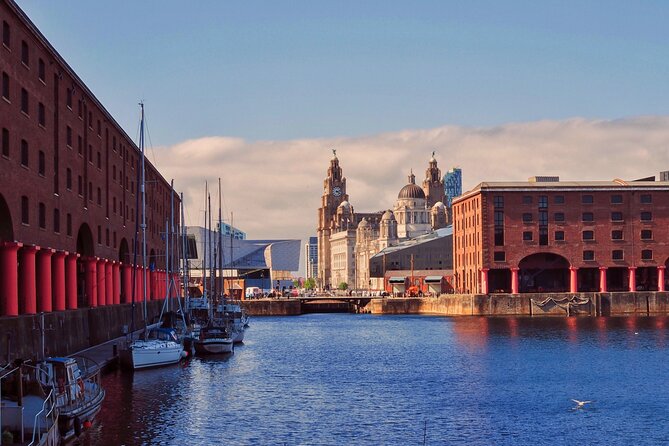
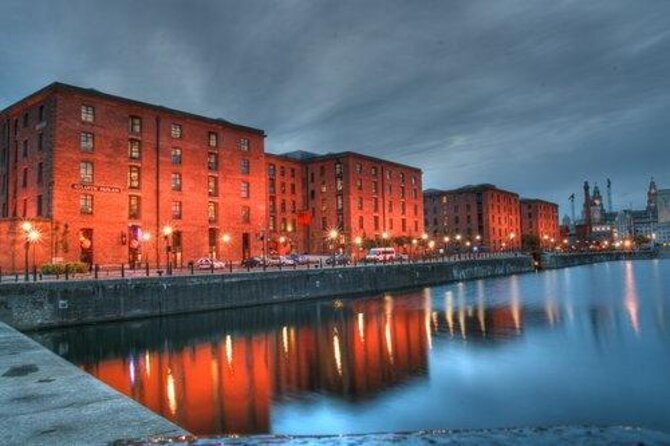
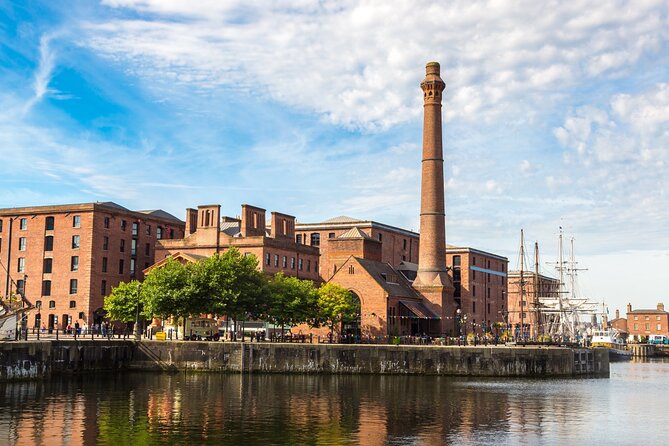
Next you reach Royal Albert Dock Liverpool, built in 1846. The guide uses it to talk about 19th century commerce and Liverpool’s significant involvement in the First and Second World Wars.
This is another place where the tour feels grounded. Docks are often described like a postcard. Here, the story includes the heavy side of global shipping, including the way ports connect to major world events.
You’re there for about 10 minutes, so it’s not the kind of stop where you’ll get lost. Instead, it gives you context that makes it easier to explore more on your own later.
If you want a fuller understanding of Liverpool’s role in difficult parts of maritime history, this stop helps set it up. One of the stronger themes in guide style and storytelling in the reviews is not sanitizing the past, including mention of the transatlantic slave trade as part of the broader commerce story. Even if that topic is only touched briefly in a walking tour format, you’ll hear enough framing to know the guide is aiming for honesty.
Royal Liver Building Finale: Three Graces and the Waterfront View
At the end, you return to the Royal Liver Building, finishing near the Three Graces for a final look at the waterfront. It’s a short stop, around 5 minutes, but it’s timed well, because you’ve now got enough history in your head to see these buildings as more than a photo op.
The big benefit of a circular-feeling finale is that it ties the whole walk together. You started with the waterfront icon. Now you finish with that same icon, but with a timeline in your brain.
From there, you’re also placed in a central area. The tour ends at Queen Victoria Monument near Castle Street, which makes it easy to branch out to other sights around central Liverpool without a long commute.
Price, Time, and Why This Walk Feels Like Good Value
At about $27.74 per person for roughly 1 hour 50 minutes, this is a strong pick if you want a guided overview without spending half a day. You’re paying for the structure, the pacing, and the historian-led storytelling, not for attraction tickets at every stop.
Most stops are marked as free viewing stops, which keeps your total cost predictable. A couple of locations note admission not included, so if you want to go inside those specific buildings, you may need to budget separately. Still, the main experience stays focused on outdoor discussion and nearby architecture.
The small group size helps too. With a maximum of 40 travelers, you should be able to hear the guide and keep up without feeling swallowed by a giant crowd.
Timing is also worth considering. The tour is commonly booked about 19 days in advance, which suggests it can fill up in peak periods. If you’re traveling in busy seasons, booking earlier tends to reduce last-minute stress.
Weather, Shoes, and How to Get the Most From the Guide
This tour requires good weather. That means you should keep an eye on the forecast and plan to layer up if conditions look chilly. The waterfront walk can be windy, and that showed up in the kind of feedback you should take seriously when packing.
Bring comfortable shoes. The route is a walking tour, with multiple stop-and-go segments. Even when each stop is short, you still need footwear that handles city sidewalks and tight timing.
If you’re the type who likes asking questions, you’ll likely enjoy this format. Reviews praise guides who actively invite questions and who can answer without making you feel rushed. Still, keep your questions within the moment, because the stop durations are short.
One more reality check: a couple of people note the pace can feel fast. You’ll be fine if you treat it as an overview tour, not a slow museum-style experience. If you want extended discussion at one location, plan to follow up on your own at the sites that grabbed you most.
Should You Book This Liverpool History Walking Tour?
Book it if you want an efficient, story-driven way to connect Liverpool’s big themes: medieval origins, port growth, cotton and trade, dock engineering, and the 18th and 19th century rise to global prominence. It’s especially good for a first visit, or when you want a smart “map in your head” before you explore farther on your own.
Skip it if you hate cold outdoor walking or you prefer a deep, inside-only museum experience. Also, if you’re extremely schedule-sensitive, remember that outdoor tours can be affected by conditions, and there have been reports of very late cancellations in some cases. If your day is flexible, you’re in the best position to benefit from the tour’s strengths.
FAQ
How long is the walking tour?
It runs for about 1 hour 50 minutes.
How much does it cost per person?
The price is $27.74 per person.
Where does the tour start and end?
It starts at the Liver Building, Pier Head, Liverpool L3 1HU, UK. It ends at the Queen Victoria Monument, One Derby Square, James St, Liverpool L2 1AB, UK.
Is the tour in English?
Yes, the tour is offered in English.
Are admission tickets included for every stop?
Admission is not included at some stops, while other stops are free to view. If you want to enter specific buildings marked as not included, you may need to arrange that separately.
What is the group size like?
The tour has a maximum of 40 travelers.
What happens if the weather is poor?
This experience requires good weather. If it is canceled due to poor weather, you will be offered a different date or a full refund.
Can I get a refund if I cancel?
There is free cancellation, and you can cancel up to 24 hours in advance for a full refund.
Is the ticket mobile?
Yes, it includes a mobile ticket, and you receive confirmation at the time of booking.
Should You Book This Liverpool History Walking Tour?
Yes, if you want a guided overview that moves fast enough to be efficient but still gives you real context at the important landmarks. This is a good value choice for first-timers who want to understand why Liverpool’s docks and trade shaped the city, and for anyone who likes history told in plain, story-focused ways by a passionate local guide.
Kings, Plagues, Great Fires
- History Guided Tour of Liverpool and the Beatles
★ 5.0 · 408 reviews - Lennon and McCartney Songwriting History Tour
★ 5.0 · 39 reviews - Liverpool Heritage, History, Culture Walking Tour-Shore Excursion
★ 4.5 · 21 reviews - Evening Walking Historical Pub Crawl in Liverpool
★ 5.0 · 19 reviews
Latest to join the queue for Liverpool




Walking Tours in Liverpool, compared.
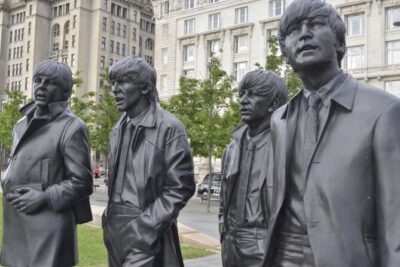
Beatles Famous Walking Tour Of Liverpool- Fully Guided
Read our review →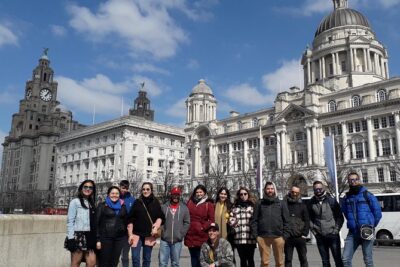
Downtown Liverpool Walking Tour – In Spanish
Read our review →
Best Of Liverpool Heritage, History & Culture Guided Walking Tour
Read our review →
Tales from the Necropolis – A Ghost Walk Through St. James Cemetery
Read our review →
Liverpool Hidden History and Dead House Evening Walking Tour
Read our review →
Reel Tours: Liverpool Film Location Walking Tour
Read our review →
Browse the lists this tour appears in