
Reviewed · HISTORICAL TOURS
Pride History of Birmingham Tour
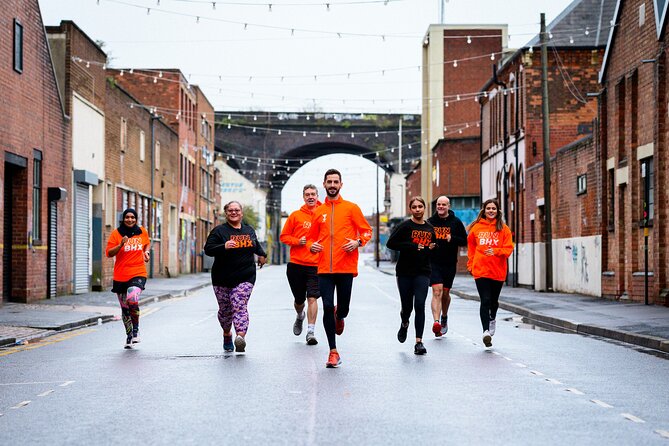
One sentence about Birmingham’s Pride story, then steps. This Pride History of Birmingham tour traces how the Gay Village formed after decriminalisation in 1969, with stops tied to real venues and turning points. I love that you can choose a 5km walk or a run, so the pacing fits how you want to explore, and the route is built around specific places like the Nightingale Club and Smithfield.
My other favorite part is the human delivery. The guide, Darren, is praised for bringing stories to life and for going beyond the route with recommendations so you feel better connected to the area. The main consideration is practical: admission is not included for the Nightingale Club and Sidewalk, so you should expect a small extra cost if you want to go inside those stops.
In This Review
- Key things you will notice on this Pride History tour
- What this Pride History route is really like, and who it suits
- Meeting at the Nightingale Club, and why the first stop matters
- The Gay Village walk, 5km of named places and a story you can track
- Pride House, the festival location, and why events matter in this story
- The AIDS & HIV Memorial stop, remembering while you move
- Smithfield’s Pride connection, and the value of a short turn
- Sidewalk Gay Bar, a former Car Showroom, and the meaning of transformation
- The wrap-up, symbols like jugs, rhinos, and foxes, plus future uncertainty
- Price and logistics: does $481.69 feel fair for 1.5 to 2 hours?
- What to bring for a 6:00pm start, a 5km pace, and mobile tickets
- Booking considerations: good weather, non-refundable booking, and the minimum group size
- Should you book Pride History of Birmingham?
- FAQ
- How long is the Pride History of Birmingham Tour?
- Is it a walk or a run?
- What time does the tour start?
- Where does the tour begin and end?
- Is a ticket included for each stop?
- Do I need to print anything for the tour?
- How big is the group?
- Is the location easy to reach by public transport?
- Are service animals allowed?
- What happens if the weather is bad?
Key things you will notice on this Pride History tour
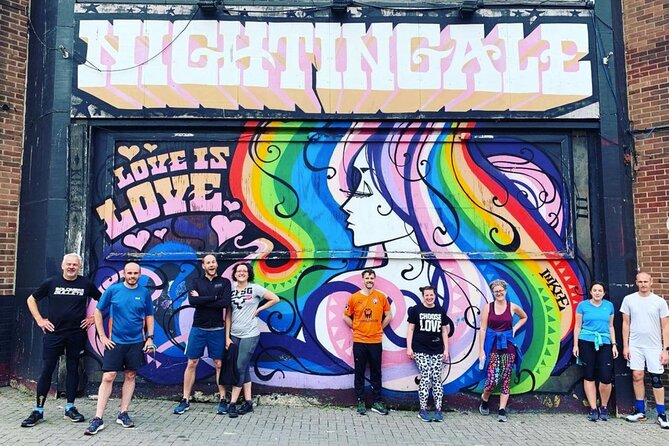
- Start at the Nightingale Club on Kent Street, a still-standing gay-friendly venue with a founding story
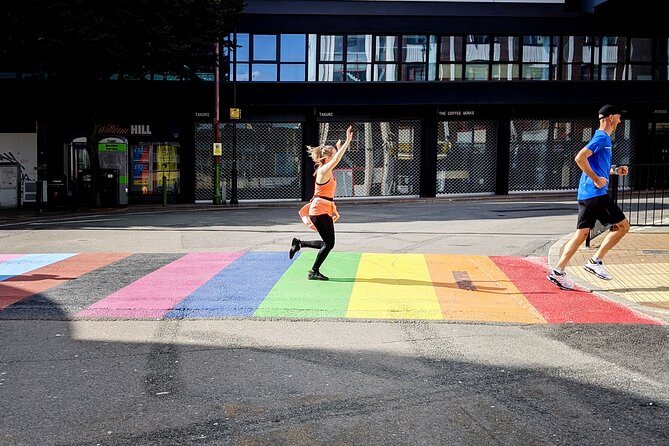
- Choose your pace with a 5km route, designed as either a 2-hour walk or a 1.5-hour run
- Pass Pride House, Eden Bar, The Fox, Missing Bar, and The Rhino, plus other named Gay Village landmarks
- Smithfield’s Pride link, including a turn around the Pride location
- Sidewalk Gay Bar as a former Car Showroom, a cool example of how places evolve
- The big questions at the end about uncertainty and what it means for the future of the village
What this Pride History route is really like, and who it suits
This tour is not an abstract lecture. It is a guided walk or run that follows the story of Birmingham’s LGBTQ+ scene from the start of the Gay Village, beginning in 1969, a couple of years after homosexuality was decriminalised. You will move through the area on foot, then finish back at the original meeting point, so it feels like a neighborhood story that you physically walk through.
The “why” is built into the design. You are not just hearing dates, you are seeing the venues and landmarks tied to acceptance, exclusion, and uncertainty. You will also get a wider lens, because the tour draws on Pride History from around the world to frame Birmingham’s path to becoming one of the UK’s thriving scenes.
At $481.69 per person, this is a premium-priced experience. You pay for a specialist route, a live guide, and a focused time window that turns “I’ve heard of the Gay Village” into “I know how it formed.” If you enjoy walking, LGBTQ+ history, and learning place-based stories, this fits well. If you want lots of museum-style indoor time or you hate moving fast, you might find the pace more demanding than a standard stroll.
More kings, plagues and great fires:
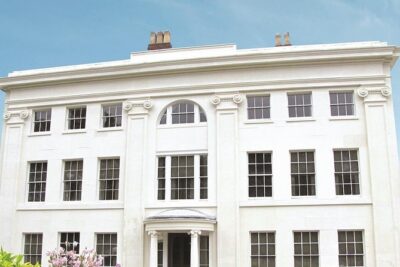
Meeting at the Nightingale Club, and why the first stop matters
Your tour starts at Nightingale Club, 18 Kent St, Birmingham B5 6RD, with a guide easy to spot, smiling in orange. This is your anchor point, because the tour begins at the site of Birmingham’s first and still-standing gay-friendly venue. It’s a strong way to open the story: you start with the physical place that represents how the scene took root.
You should treat this first stop as the emotional baseline. The tour frames 1969 as a turning point, and it matters that you begin at a venue that is still there today, even if the surrounding context has changed. The guide will set the tone for the rest of the walk, including how the community navigated a world where acceptance was never guaranteed.
One practical note: admission is not included for the Nightingale Club stop. That does not mean you cannot experience it, but it does mean you should not assume everything is automatically ticketed for you. If you want to go inside, plan for potential entry fees, and bring a little flexibility into your schedule.
The Gay Village walk, 5km of named places and a story you can track
After the opening stop, you head into Birmingham’s Gay Village. This is the core of the experience, and the tour is designed so you can either walk (about 2 hours) or run (about 1.5 hours)** over the roughly 5km route. The list of stops is specific, not generic, and that is what makes it useful when you are later exploring on your own.
You will cover key named places including Pride House, the location tied to Birmingham Pride Festival, the AIDS & HIV Memorial, Eden Bar, Jester, The Fox, Missing Bar, and The Rhino. Each name is a clue to what kinds of community needs formed over time, from gathering spaces to remembrance to events that draw broader support.
Here is what I think makes this part valuable for you: the stops give you landmarks you can return to later. Even if you only remember a few names, you get a mental map. And because the tour ties each venue to a moment, you are less likely to forget what something represents.
You may also notice the tour includes both celebratory and heavier themes. That balance is important in LGBTQ+ history, because community spaces often held joy and survival in the same rooms.
Another practical perk: the Gay Village segment is listed as admission free for the stop time. That helps keep the day from turning into a chain of surprise fees, and it keeps your attention on the guide and the route rather than on tickets.
Pride House, the festival location, and why events matter in this story
You will pass by Pride House and the Birmingham Pride Festival location, which may feel like “just” event geography until your guide connects it to the wider arc. Events are not only fun. They are visibility. They are a way to say the community exists, and it is not going away.
This is where your understanding can shift. The tour is built around uncertainty, so seeing Pride tied to these spaces helps you connect the dots between advocacy, public presence, and the physical places where people meet. It also matters that Birmingham’s Pride is anchored to a recognizable area, so your learning does not stay trapped in a guide’s story.
Even if you are visiting outside Pride season, this part still helps. You will leave knowing where Pride happens and why that location carries meaning.
The AIDS & HIV Memorial stop, remembering while you move
One of the named stops is the AIDS & HIV Memorial. Including a memorial on a walking pride route might sound straightforward, but it is a thoughtful choice. It reminds you that LGBTQ+ history is not only about nightlife and festivals. It is also about loss, care, and community resilience.
I like that the tour keeps you walking while you learn. It makes remembrance feel part of the neighborhood story rather than a one-off museum moment. It also helps you avoid the common trap of treating LGBTQ+ history as a set of party venues only.
At the same time, you may want to be ready for emotional weight. If you prefer lighter sightseeing, you can still do this, but give yourself a moment of patience. Take it at your pace during the stop, then keep moving when you are ready.
Also on in Birmingham, no fuss
- Shrewsbury Prison Guided Tour★ 5.0 · 2,628 reviews
- Entry ticket to Hoo Zoo and Dinosaur World in Telford★ 5.0 · 591 reviews
- Cadbury World Entry Ticket★ 3.0 · 524 reviews
- Shrewsbury Prison Entry Ticket★ 4.5 · 426 reviews
Smithfield’s Pride connection, and the value of a short turn
After you have moved through the Gay Village landmarks, the tour includes time at Smithfield’s, described as home of Birmingham Pride. The guide will have you spin around Smithfield’s as part of the experience. That sounds playful, and it is likely meant to help you orient quickly.
This little change of rhythm is useful. When you spin in place, you are not just taking a photo. You are building a mental 360-degree sense of the area so the story you heard becomes spatial. That makes your later self-guided wandering easier, because you will recognize the area rather than stumbling through it.
It also reinforces the idea that Pride is not a single building. It’s a zone, a network of streets, and a set of moments that gather people in public.
Sidewalk Gay Bar, a former Car Showroom, and the meaning of transformation
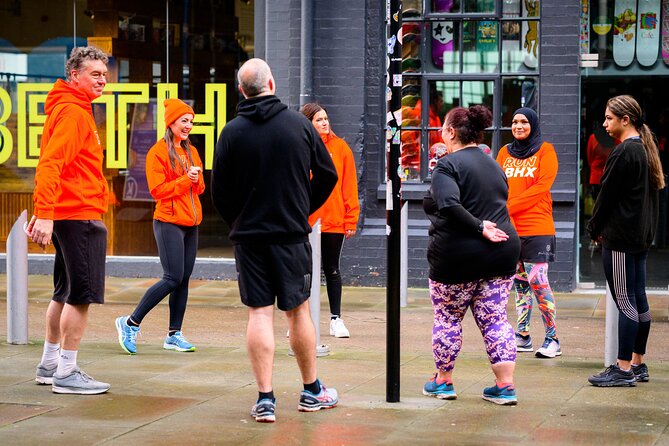
Your penultimate stop is Sidewalk Gay Bar. The tour notes it was once a Car Showroom, which is a powerful detail. It tells you how spaces change purpose as communities grow and as cultural needs shift.
That kind of transformation is common in city neighborhoods, especially where LGBTQ+ venues develop alongside wider city life. But hearing it in the middle of a Pride History route gives it sharper meaning. The building is not just a building. It’s a marker of adaptation.
This stop is also listed with admission not included, similar to the first stop. So if you want to go inside, plan for potential entry. If you do not, the exterior setting plus the guide’s story should still make the moment land, because the tour is built around narrative, not only access.
The wrap-up, symbols like jugs, rhinos, and foxes, plus future uncertainty
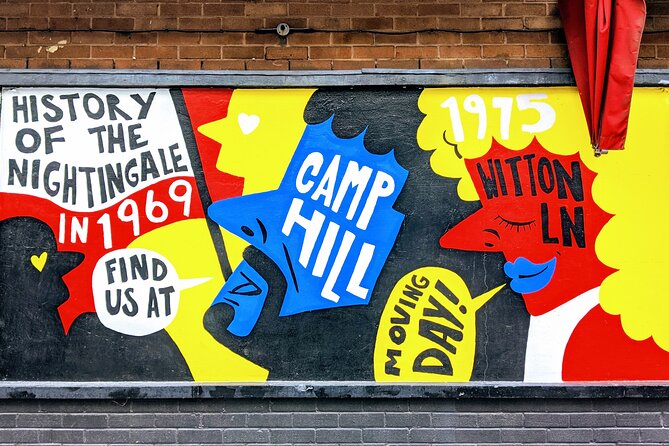
The tour ends back at Nightingale Club, finishing the story with a look ahead to a future of increased uncertainty for the survival of the village itself. That ending matters, because a Pride History route should not only celebrate what happened. It should also help you understand what might be under pressure now.
You will also learn how elements like jugs, rhinos, and foxes connect to the scene. The key is that these are not random decorations. They become part of how a place communicates identity and belonging.
For me, the strongest tours are the ones that leave you with a sense of place and a way to interpret what you see. This one aims for that: pride, yes, but also understanding and awareness about what keeps the village alive.
Price and logistics: does $481.69 feel fair for 1.5 to 2 hours?
At $481.69 per person, this is not a budget walking tour. It needs to justify itself, and it does by being highly specific and guided.
Here is where you get value:
- You are paying for a themed, place-based route with named stops, not a generic city walk.
- You get a live guide with a history-focused delivery. Darren is highlighted for bringing the stories to life and offering extra recommendations.
- The group size is capped at 25 travelers, which helps keep the experience from feeling like a stampede.
- You have a choice of pacing, walk about 2 hours or run about 1.5 hours, which can make the time feel right for your stamina.
The main thing to consider is that you may encounter admission not included at two stops. That means the final cost may be slightly more depending on what you choose to enter. Also, this is a walking route, so comfortable shoes are not optional.
If you are doing a Birmingham visit where you want one “anchor activity” that turns LGBTQ+ landmarks into understanding, I think the price can make sense. If you are mostly after low-cost sightseeing, you might prefer a different tour style.
What to bring for a 6:00pm start, a 5km pace, and mobile tickets
Your start time is 6:00pm, and the format is walking or running for a total of roughly 1.5 to 2 hours depending on pace. You should dress for Birmingham weather because the experience requires good weather.
Bring:
- Comfortable shoes for a 5km route
- A jacket or layer since evenings can feel cooler
- A charged phone, since you use a mobile ticket
- Water if you pick the run option, or if it is warm
The tour is described as near public transportation, which helps if you plan to combine it with other evening plans. Service animals are allowed too, which is a practical inclusion.
One more small tip: because the guide is easy to spot at the start (smiling in orange), arrive a few minutes early so you can identify them fast and settle in before the route starts.
Booking considerations: good weather, non-refundable booking, and the minimum group size
This experience is non-refundable and cannot be changed for any reason, so treat booking as a commitment. On top of that, it requires good weather. If it is canceled due to poor weather, you will be offered a different date or a full refund.
There is also a minimum number of travelers. If that minimum is not met, the tour can be canceled, and you should expect a different experience or a full refund.
Because of these rules, I recommend booking if your schedule is stable. If you are traveling with tight timing, you might prefer to keep a backup plan for the evening.
Should you book Pride History of Birmingham?
Book it if you want a guided LGBTQ+ history route that uses real venues and real landmarks to explain how the Gay Village formed and changed. This is especially a good fit if you like walking with a purpose, want named stops you can later revisit, and appreciate a guide who can make stories feel real. Darren’s approach, with recommendations and extra connection, is a big reason this tour seems to work well.
Skip it or reconsider if you dislike walking 5km at evening pace, or if you expect to do mostly indoor sightseeing. Also think twice if paying a premium price is hard to justify for your trip budget, especially since admission is not included at two stops.
If you are the type of traveler who enjoys understanding a neighborhood rather than just taking pictures, you will likely leave with both pride and a map you can use.
FAQ
How long is the Pride History of Birmingham Tour?
The tour runs about 1 hour 30 minutes to 2 hours, depending on whether you walk or run the 5km route.
Is it a walk or a run?
You can choose. The route is described as a 5km walk (about 2 hours) or a 5km run (about 1.5 hours).
What time does the tour start?
The tour starts at 6:00pm.
Where does the tour begin and end?
It starts at Nightingale Club, 18 Kent St, Birmingham B5 6RD, UK, and ends back at the same meeting point.
Is a ticket included for each stop?
Admission ticket details are listed per stop. Admission is not included for the Nightingale Club and Sidewalk Gay Bar, and the Gay Village stop time is free.
Do I need to print anything for the tour?
No. The tour uses a mobile ticket.
How big is the group?
The tour has a maximum of 25 travelers.
Is the location easy to reach by public transport?
Yes. The meeting point is described as near public transportation.
Are service animals allowed?
Yes, service animals are allowed.
What happens if the weather is bad?
The experience requires good weather. If it is canceled due to poor weather, you will be offered a different date or a full refund.
Latest to join the queue for Birmingham

Historical Tours, compared.
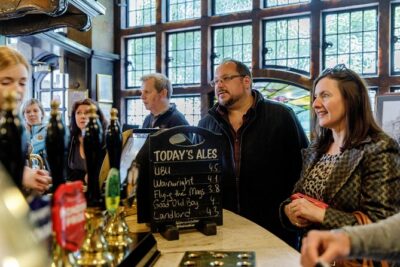
London Small Group Tour of Historical Pubs
Read our review →
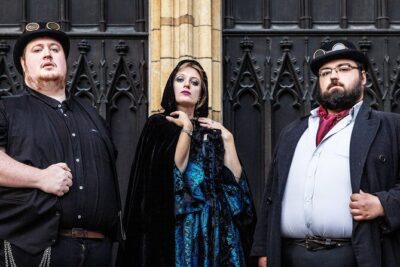
Shadows of York: Ghost Walk and Horrible History.
Read our review →
A Walk Through Time: History of Liverpool Walking Tour
Read our review →
Royal Historic Pubs Walking Guided Tour in London
Read our review →
Private Group: Historical Pub Walking Tour of London
Read our review →
Best Of Liverpool Heritage, History & Culture Guided Walking Tour
Read our review →Browse the lists this tour appears in