
Reviewed · SELF-GUIDED TOURS
Brunel’s Bristol: A Self-Guided Tour from SS Great Britain to Clifton Bridge
Bristol’s engineering story is best when you can walk it your way. This self-guided VoiceMap route connects the harbor area toward the Clifton Suspension Bridge with commentary you can pause and restart as you go. I especially like the offline access built into the app, so you can keep moving even without data.
You’ll also appreciate the tight, turn-by-turn feel of the audio guidance. I’m a big fan of routes where the directions show up right when you need them, and this one uses GPS-style guidance to help you stay on track. One drawback to plan for, though, is the stamina issue near the end, with a steep climb toward the final bridge viewpoints.
In This Review
- Key things to know before you start
- From Lloyds Amphitheatre to the Clifton Suspension Bridge, on your own schedule
- Why the VoiceMap setup makes this feel practical (not complicated)
- Price and time: $8.99 is mostly about value of guidance
- Walking route breakdown: what each landmark is doing for the story
- Stop 1: Lloyds Amphitheatre, the harbor-story kickoff
- Along Hanover Quay and the dockland rhythm
- Capricorn Place and a quick breather by the statue
- The landing, Pump House, and crossing the “systems” of the harbor
- Plimsoll Swing Bridge and Brunel’s Swing Bridge, where the engineering gets real
- The Zig Zag and Old Clifton Rocks Railway, the route starts climbing
- Final view: Clifton Suspension Bridge from the lookout angle
- Comfort, safety, and the reality of the steep finish
- How to use this tour day like a local, not a checklist
- Who should book Brunel’s Bristol and who should think twice
- Should you book this self-guided Brunel’s Bristol tour?
Key things to know before you start
- Offline audio, maps, and geodata are included, so your phone works even without cell service
- Lifetime access means you can revisit when you have more time
- Clear GPS guidance helps you recover quickly if you miss a turn
- The end is steep, so wear grippy shoes and don’t rush
- Some stretches can feel tight for pedestrians, especially around construction or roadworks
- You control pacing, including time to stop for lunch nearby if you want
From Lloyds Amphitheatre to the Clifton Suspension Bridge, on your own schedule
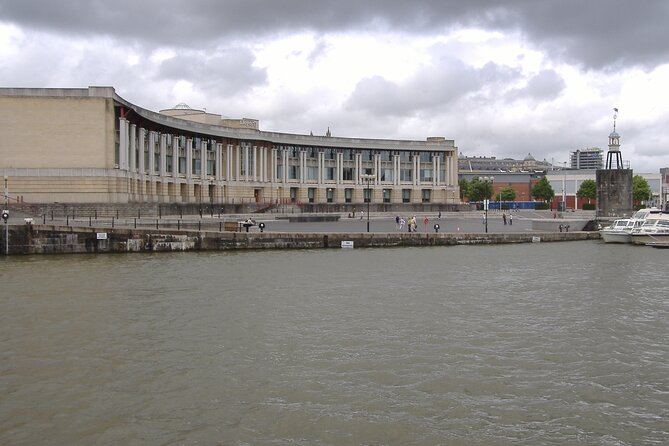
This is a self-guided walking tour that turns Bristol’s harbor and bridge country into an easy, story-led walk. You start at Lloyds Amphitheatre, Explore Ln, Bristol BS1 5LL, and your route finishes at The Lookout Lectern, Sion Hill, Clifton, Bristol BS8 4BL. The walking time is about 1 hour to 1 hour 15 minutes, which is perfect when you want something meaningful, but you do not want to commit to a half-day.
The big reason this one works is freedom. You are not locked into a group pace. You can drift slower on the harbor parts and speed up when you want. And because it is a private activity for your group, you are not stuck with awkward waiting for stragglers.
I like that the audio is set up to guide you by landmarks, so you keep your bearings even when Bristol streets and quays start to blur together. If you enjoy the feeling of walking and discovering without the stress of a formal tour, this style is a good match.
Also on in Bristol, no fuss

Why the VoiceMap setup makes this feel practical (not complicated)
This tour runs through the VoiceMap app on Android and iOS, and it includes audio plus offline maps and geodata. That matters more than it sounds. In waterfront areas, signal can be hit or miss, and you do not want your navigation to turn into guesswork.
Here’s what to expect from a practical self-guided audio walk like this:
- You press play when you’re ready.
- You follow the route, listening at each cue point.
- If you get off track, the GPS-style guidance helps you correct quickly.
One review noted the GPS helped if you went wrong, and I’d treat that as a strong vote for the system. Construction can happen, routes can shift, and even if your path is temporarily blocked, the app guidance is designed to keep you moving.
What you need to bring is straightforward: a smartphone and headphones are not included. Also, plan to have your phone charged. Offline audio still drains battery, and a 1 hour walk can feel longer when you are checking directions.
Price and time: $8.99 is mostly about value of guidance
At $8.99 per person, you are paying for direction, pacing, and story. Not for museum tickets. Not for transport. Not for food. That is key for value.
If you usually wander without a plan, you might see a lot of places and learn almost nothing. If you join an organized tour, you often pay more for the same general idea, plus you are stuck with timing and group flow. This sits in the middle: you get a structured walk with guided commentary, but you keep control of when you pause.
Also, you get lifetime access. That means the $8.99 is not just for one afternoon. If you want to come back for better light, more photos, or a second pass at the engineering story, you can.
Walking route breakdown: what each landmark is doing for the story
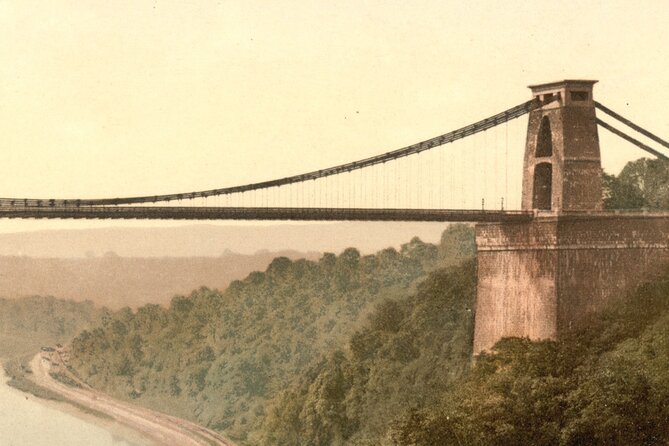
The route is built as a logical sweep: harbor first, engineering details next, then the uphill payoff. Below is how the route “clicks” as you move through it.
Stop 1: Lloyds Amphitheatre, the harbor-story kickoff
You begin at Lloyds Amphitheatre. Starting here is smart because it puts you in the right setting early, where the waterfront feel is immediate. You get into the theme fast, with the tour’s voice leading you along the start of your walk.
This is also a good time to get your setup right:
- Headphones on.
- Volume to a level you can hear without feeling blocked.
- Confirm the app has your location before you walk too far.
If your phone battery is low, this is where you want to conserve it, because you will likely listen through multiple segments.
While the kettle’s on in Bristol:
- Blackbeard to Banksy – The Ultimate Walking Tour of Bristol★ 5.0 · 1,961 reviews
- Air Raid Shelter + St. Nicholas Market Walking Tour★ 5.0 · 1,950 reviews
- West Country Games – the most popular group activity in the South West!★ 5.0 · 315 reviews
- The House Magicians Comedy Magic Shows★ 5.0 · 263 reviews
Along Hanover Quay and the dockland rhythm
Next, the route moves along Hanover Quay. This is the part where you get the port-city atmosphere. You’ll be able to connect the dots between what you’re seeing and what the commentary points out, especially how Bristol’s waterfront became a stage for engineering ambition.
The tour then passes Spitfire Barbecue, Harbour Inlet, and Spoke and Stringer. Even if you’re not stopping to eat, these names help you stay oriented. More importantly, this portion sets up contrasts: older industrial and engineering-minded spaces, mixed with later city layers.
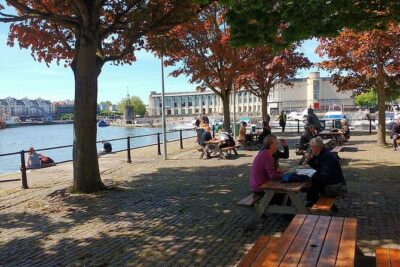
Practical tip: if you want lunch, this is an area where you can likely work it in. One review specifically mentioned stopping to have lunch and then continuing, and that pacing is exactly what a self-guided tour is good at.
Capricorn Place and a quick breather by the statue
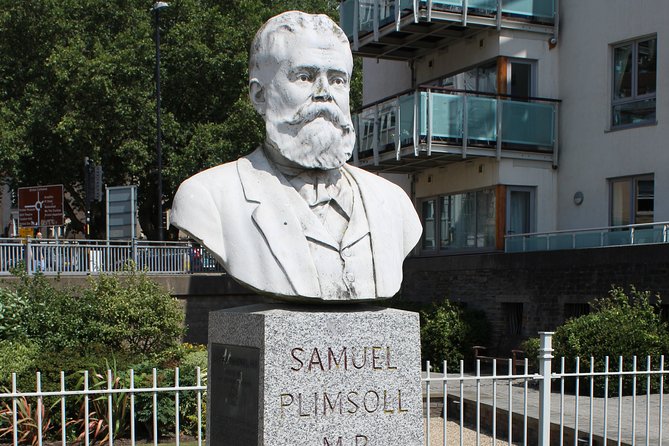
As you move onward, you pass Capricorn Place and the route includes a brief stop at a statue. That quick pause is useful. It gives your legs a moment and lets your brain catch up on the storyline.
This stop also helps you avoid the common self-guided problem: walking nonstop while the audio talks, and then realizing you missed a key explanation. A short designed pause keeps the tour from feeling like a blur.
The landing, Pump House, and crossing the “systems” of the harbor
The tour passes by the landing and Pump House, then goes over Cumberland Basin. These kinds of stops matter because they shift you from “cool views” to “how the place works.”
Even without deep technical knowledge, you’ll likely appreciate the way the commentary frames engineering as something practical and visible in the city. A pump house and basin crossing are not just scenic stops. They’re functional elements, and that angle makes the walk more than just a photo route.
At this stage, keep an eye on path continuity. Some waterfront sidewalks can be narrow, and in places you might encounter construction or temporary routing.
Plimsoll Swing Bridge and Brunel’s Swing Bridge, where the engineering gets real
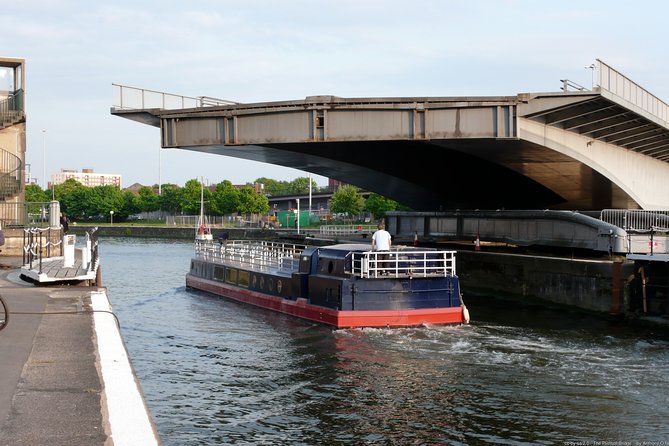
The route then passes Plimsoll Swing Bridge and Brunel’s Swing Bridge. This section is a highlight because it brings you close to working infrastructure and the idea of bridges as moving parts in daily life.
If you like when a tour connects architecture to the engineer behind it, this is where you’ll pay attention. One review mentioned humorous and clear commentary about the bridge architecture and Brunel himself, and these bridge points are where that kind of narration tends to land best.
The Zig Zag and Old Clifton Rocks Railway, the route starts climbing
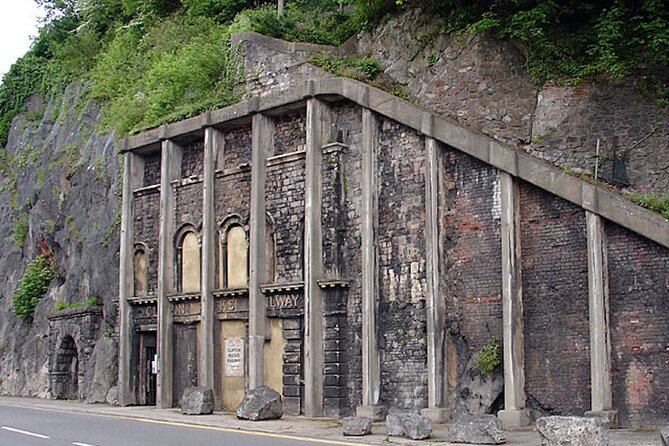
After the swing bridges, the tour goes along the Zig Zag, then passes by Old Clifton Rocks Railway. This is the transition from “flat harbor” to “Clifton hill.”
The Zig Zag is part of the reason the route feels different from a typical waterfront stroll. You’re not just walking up. You’re walking through a structure of movement that sets up the final viewpoint.
Now the big physical reality: multiple reviews flagged that the end is steep. This is where you should stop pretending it’s a gentle stroll. Take it slow, keep your footing, and do not plan to chat like you are on a level promenade.
Final view: Clifton Suspension Bridge from the lookout angle
The tour ends with a view of the Clifton Suspension Bridge, finishing at The Lookout Lectern. This is your payoff moment, the reason you made the climb.
It’s the kind of viewpoint where even if you do not know every detail of the engineering story, the scale makes an impression. The route’s structure makes sense here: you learn about the bridge theme while you’re still moving through the city’s engineering clues, then you reach the big visual end.
One review nailed the vibe, saying it was worth the steep climb. I agree with that approach in general: commit to the last stretch at your own pace, because the viewpoint is where everything pays off.
Comfort, safety, and the reality of the steep finish
This walking tour is listed for moderate physical fitness. That’s an honest umbrella category, but you should treat it as a warning for the uphill part, especially when you’re tired.
Here’s how to prepare in a practical way:
- Wear grippy shoes. The final area can be steep, and you want traction.
- Bring water if you run warm, because the climb is real.
- Don’t walk the last segment fast. Plan photos, slow steps, and pauses.
Safety notes based on the route experience you could encounter:
- Some sections may have stretches where pedestrian space feels limited, and roadworks can change how safe a sidewalk feels.
- Construction can cause a small detour or partial obstruction, so keep your app running and follow GPS guidance if something looks blocked.
The good news is that the guidance is part of the design. Reviews praised the app’s ability to guide you back if you went wrong, so you’re not stuck guessing.
How to use this tour day like a local, not a checklist
The best way to enjoy this route is to treat it like a guided walk with flexibility, not a strict script. A simple strategy works well:
- Start your audio early in the walk so you understand the theme as the scenery builds.
- Pause your pace when you hit the engineering landmarks, especially the bridge points.
- If you want a break for lunch, do it earlier rather than trying to fix it at the steep end.
Also, the route is short enough to fit into a wider Bristol day. It pairs nicely with exploring the waterfront, then transitioning to Clifton for the bridge viewpoints.
And because you have offline access plus lifetime access, you’re free to return another day when the light is better or when you have more time for photos.
Who should book Brunel’s Bristol and who should think twice
This is a strong pick if you:
- Want a self-guided walk with storytelling instead of just sightseeing
- Like engineering-themed routes and clearer context for what you see
- Enjoy using offline navigation without worrying about data
- Travel in a group that wants to move together at your own pace
It may be a harder fit if you:
- Have limited ability to handle a steep climb. Even though it’s only about 1 to 1 hour 15 minutes, the last segment matters.
- Prefer routes with wide, consistently protected sidewalks. Roadworks can change conditions.
- Want totally gentle walking throughout. This one tilts uphill near the end.
If you’re on the fence, I’d focus on the ending. The bridge viewpoint is the payoff, and the steep part is the price of admission.
Should you book this self-guided Brunel’s Bristol tour?
If you want a structured, entertaining walking route that helps you make sense of Bristol’s waterfront and bridge story, this is good value. $8.99 buys you offline audio and maps, turn-by-turn navigation support, and lifetime access, which is hard to beat for an engineering-focused city walk.
Book it if you’re comfortable with a steep finish and you like learning while you walk. Skip it or plan an alternative if the climb would be a problem, or if you need a route with consistently wide, easy pedestrian access.
Bottom line: this is one of those tours that makes a short time in Bristol feel bigger, because the guidance helps you notice what you might otherwise miss.
Latest to join the queue for Bristol






Self-Guided Tours, compared.

Golden Tours York Hop-on Hop-off Open Top Bus Tour with Audio Guide
Read our review →
Windsor Castle Tour from London with Transportation & Audio Guide
Read our review →
London Panoramic Open Top Bus Tour with Audio Guide
Read our review →
Romans, Vikings and Medieval York: An Audio Tour
Read our review →
Emirates Stadium and Arsenal Museum Entrance Ticket Including Audio Guide
Read our review →
Private Self-Guided Dinky Door Hunt in Cambridge
Read our review →
Natural History Museum Express Guided Tour & Audio Guide
Read our review →Browse the lists this tour appears in