
Reviewed · SELF-GUIDED TOURS
Western Approaches Self Guided Tour
One of Liverpool’s best WWII secrets lives underground. In Western Approaches self guided visit, you get access to a real secret bunker with a preserved Map Room and hands on wartime rooms, and you can go at a comfortable pace. I like the no-rush layout, and you’ll like how much you can touch, sit at, and try as you follow the corridors. The one thing to watch is that there are steps down into the bunker, so plan for it if stairs are an issue.
This is history that feels physical, not distant. You’ll see how convoy monitoring worked, including a preserved wartime setup that was left exactly as it was when the doors closed on 15 August 1945. I also really like the practical value of the included admission and the annual pass, because a short second visit is an easy win later. The tradeoff is that this museum is smaller and less high-tech than some major war museums, so don’t expect heavy interactive media in every room.
In This Review
- Key things to know before you go
- Western Approaches HQ: a WWII intelligence nerve centre under Liverpool
- Stop 1: The Battle of the Atlantic experience inside the bunker
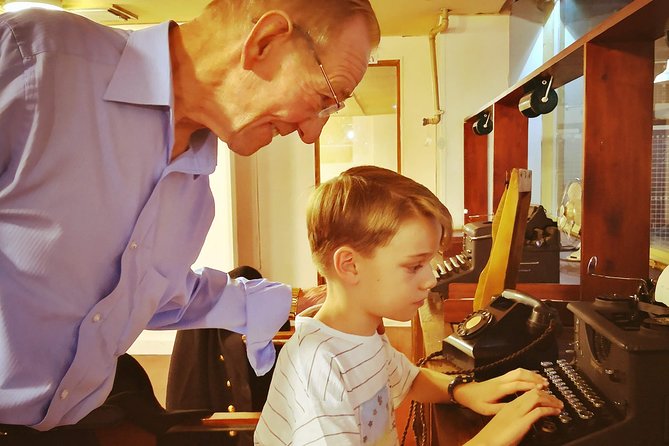
- Hands-on wartime rooms: phones, typewriters, teleprinters, and uniforms
- The end of the tour: war time prices, games, and a short film
- Price and value for a 1 to 2 hour visit in Liverpool
- Practical tips: timing, location, and what to expect on the stairs
- Should you book this Western Approaches self guided tour?
- FAQ
- What does the ticket include?
- Is this experience fully self guided?
- How long should I plan for?
- Where is the Western Approaches HQ Museum area?
- What are the opening hours?
- Is the experience offered in English?
- Are there stairs?
- Is there an annual pass or free return admission?
- Are service animals allowed?
- Are hot drinks available during the visit?
Key things to know before you go
- Secret WW2 bunker under Liverpool city centre, close to the Town Hall
- Self guided touring, so you can pause, read, and replay scenes without a clock pushing you
- Map Room preserved as left on 15 August 1945, right down to the feel of the nerve centre
- Wartime hands on moments, like typewriters and teleprinter machines, plus trying on uniforms
- Hot drinks and games at war time prices at the end of your route
- Plan for stairs, since you descend into the bunker and there’s moderate walking
Western Approaches HQ: a WWII intelligence nerve centre under Liverpool
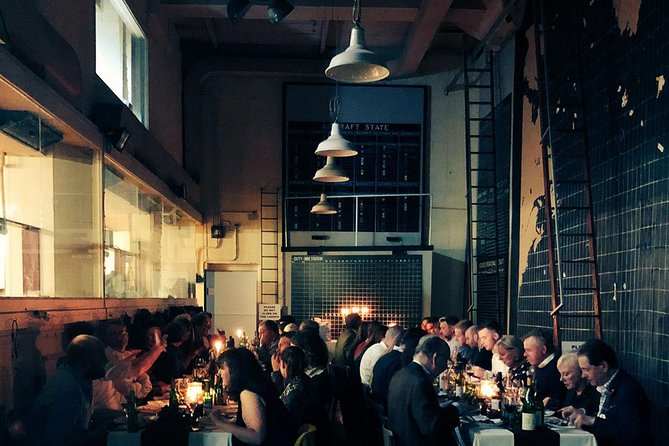
Western Approaches HQ is the kind of place you hope is real because it can’t possibly be this intact. It’s a secret WW2 bunker underneath Liverpool’s city centre, close to the Town Hall, and the whole point is that it was built to protect tactics and intelligence. During the Battle of the Atlantic, British forces needed to monitor enemy convoys and shipping routes while keeping their own findings hidden from the enemy. That tension shows up in the way the bunker is presented: rooms feel like they were shut up in a hurry and reopened later, not turned into a generic exhibit hall.
What makes this stop compelling for you is the setting. You’re not just reading about intelligence work. You’re moving through the corridors and rooms where teams worked, slept in shifts, and handled information day and night. Even if you know the basics of the Battle of the Atlantic, you’ll likely feel a new appreciation for how much coordination depended on accurate information.
If you’re coming from another major WWII site in the UK, this will still be worth your time, but it’s useful to calibrate expectations. This museum leans on what’s already there, plus lots of storytelling on site, rather than high-tech special effects. Think of it as authentic atmosphere and real wartime spaces first, tech second.
Also on in Liverpool, no fuss

Stop 1: The Battle of the Atlantic experience inside the bunker
Your visit is essentially one continuous walk-through experience, starting with Western Approaches HQ and the Battle of the Atlantic story. You’ll descend from street level, then start exploring hidden rooms that explain how the British Armed Forces and the women of wartime services supported the Allied push to protect Atlantic shipping lanes.
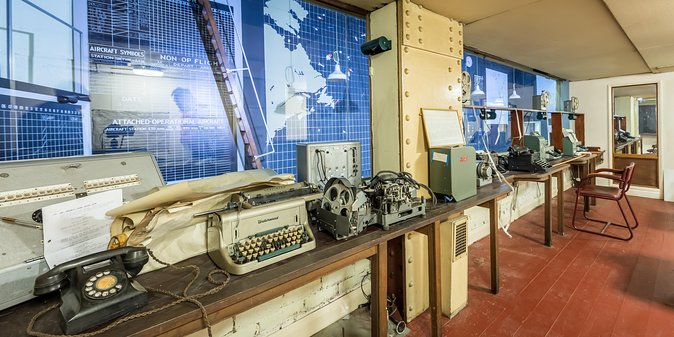
One highlight is the level of detail around communication and secrecy. You can see documents and tools used to monitor convoys and report findings to the British government while keeping intelligence secret from the enemy. A particularly standout item is one of only two surviving wartime phones with a direct connection to the War Cabinet in London. It’s the kind of object that instantly turns a topic into something concrete.
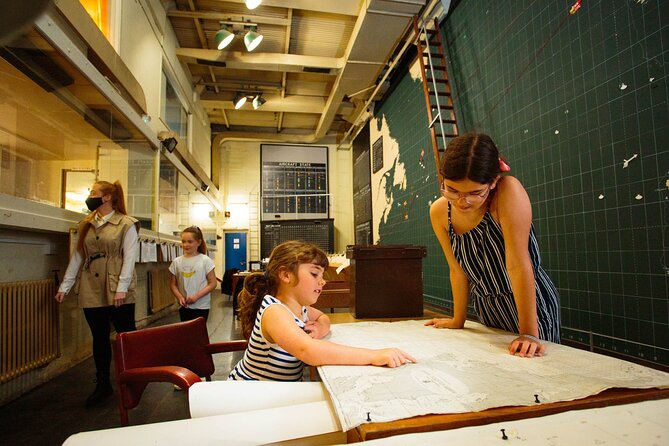
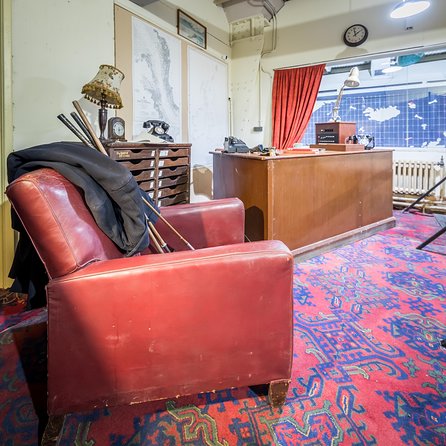
As you move deeper, the museum leads you toward the operational heart of the bunker: the Map Room. This is where commanders, and women serving in organizations such as the WRNS and WAAF, worked shifts to monitor routes and shipping lines. The big map on a table is described as a nerve centre, and the museum makes clear why accuracy mattered. In a setting like this, even small errors could affect whether the Royal Navy could respond effectively and find the right enemy locations.
One thing I appreciate: the Map Room is presented as preserved, left exactly as it was when the doors closed on 15 August 1945. That detail matters because it helps you understand the museum’s mission. It isn’t trying to reinvent the room. It’s trying to preserve it.
Hands-on wartime rooms: phones, typewriters, teleprinters, and uniforms
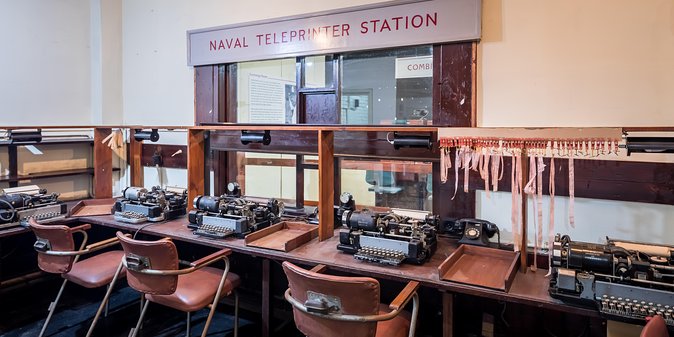
This is where your visit gets more fun than you might expect. The route is self guided, and the museum encourages you to interact with parts of the setup as you move through rooms. You can sit at desks, play with typewriters and teleprinter machines, and look closely at the telephone exchange. There’s also an option to try on uniforms.
That last part sounds like a gimmick until you actually consider what it changes. When you put on a uniform, even briefly, it helps you picture the everyday reality of people working inside a bunker under pressure. When you sit at desks and use communications tools, you get a better sense of how information moved. It turns the story from names and dates into motions and routines.
You’ll also notice the museum’s focus on the people behind the operation. It’s not only about the command structure. The experience connects the Map Room work to the wider wartime effort, including the roles of women in support and intelligence tasks. That balance is one reason this stop earns such strong ratings, especially among history buffs who want more than the usual headlines.
A practical note: since this is hands-on in a self guided format, it can take longer than you first think. If you’re the type who likes to try everything, build in time for repeat glances, extra reading, and those moments where you stop because a detail catches your attention.
The end of the tour: war time prices, games, and a short film
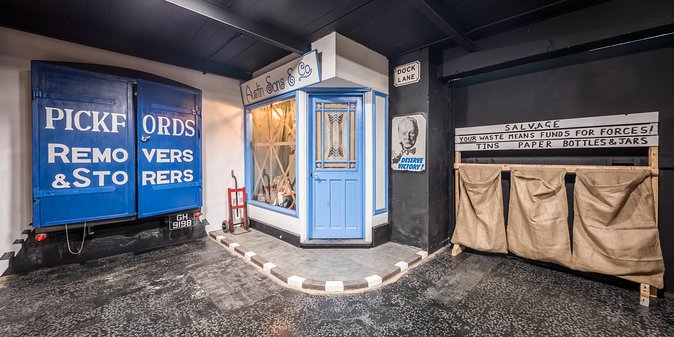
After you’ve worked your way through the bunker rooms, the experience finishes with a calmer, social-style space. There’s a room at the end of the tour where hot drinks are available at war time prices. Along with that, you can play traditional games and watch a film about life in Liverpool during the war.
This ending matters because it shifts the museum from operations to everyday impact. The Battle of the Atlantic is an intense subject, and it can make a visitor feel like the story is only about ships and decisions. The film and games bring the human scale back to the fore, including what war meant beyond the bunker walls.
It also gives you an easy way to pace your visit. If you’re arriving with kids, you’re not stuck only on reading labels in narrow corridors. If you’re an adult on your own, you get a break from the denser rooms before you head back up the stairs.
Price and value for a 1 to 2 hour visit in Liverpool
This experience is priced at $24.26 per person, and it’s built for a 1 to 2 hour visit. For a self guided museum admission, that can be a good value, especially because entry is included and you’re not paying extra for a separate tour guide.
The best value angle is the annual pass. The experience includes a free return admission within 12 months. Museums are great once, but many are better the second time when you can slow down, compare rooms, and focus on the parts you liked most. If you love WWII artifacts or you want a quieter revisit, that return admission turns your first ticket into a longer-term deal.
Booking timing can also affect value in a practical way. This experience is often booked about 21 days in advance, which suggests it’s a steady choice for people building Liverpool itineraries. If you want to fit it into a tight travel schedule, I’d treat it like a must-plan attraction rather than a last-minute add-on.
Where the price may feel less justified is if you’re chasing high production, lots of video, or major interactive tech in every room. One downside to be aware of is that the display style can be text heavy, with only a handful of videos. If that sort of museum design doesn’t work for you, you might feel like it could have been more immersive through audio or interactive features. Still, the bunker setting and preserved Map Room help offset that.
While the kettle’s on in Liverpool:
- Beatles Magical Mystery Tour★ 5.0 · 9,266 reviews
- Liverpool: “Blue Route” – City & Beatles Tour★ 5.0 · 8,562 reviews
- Liverpool City Sights Hop On Hop Off City Tour – 24hr Ticket★ 4.5 · 2,555 reviews
- The LFC Stadium Tour★ 5.0 · 1,548 reviews
Practical tips: timing, location, and what to expect on the stairs
Here’s how I’d plan it so it feels smooth instead of rushed. First, aim for a visit window that gives you breathing room. The museum works well as a standalone stop, and the self guided format means you can stretch it toward closer to 2 hours if you’re reading carefully and trying the hands-on elements.
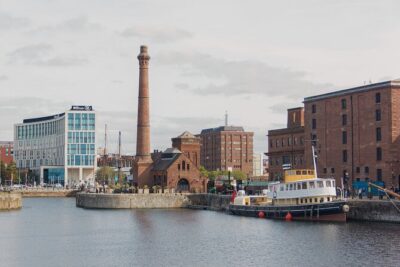
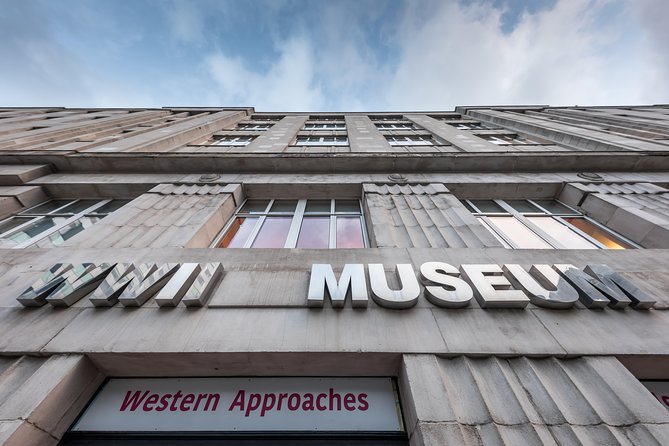
Location-wise, you’re close to major central sights. The museum is near the Town Hall, and it’s reported as about a five-minute walk from Albert Dock, which makes it easy to pair with a waterfront walk. Also, it’s near public transportation, so you can slot it into a day without needing a car.
Most important practical point: expect steps. There are steps down into the bunker, and the experience notes moderate physical fitness is helpful. If you can handle a short descent plus indoor walking, you’ll likely be fine. If stairs are a deal breaker for you, this is the one part you should think through before booking.
Finally, remember the museum is offered in English with a mobile ticket. You’ll receive confirmation at booking time, and service animals are allowed. That combination makes it straightforward for a lot of visitors, including those traveling with assistance needs.
Should you book this Western Approaches self guided tour?
Book it if you want real WWII spaces in Liverpool, not just posters and timelines. You’ll get authentic bunker atmosphere, a preserved Map Room, and hands-on moments with wartime tools like typewriters, teleprinters, and the telephone exchange. The annual pass is also a big plus if you might want a second visit to re-focus.
Skip it or reconsider if you’re expecting the level of multimedia storytelling you’d find at the biggest, most tech-forward war museums. This experience leans more on the building, the preserved rooms, and the on-site explanations than on interactive extras in every corner.
If you’re visiting Liverpool for history, especially WWII and the Battle of the Atlantic, this is one of the most worthwhile uses of a short time block you can make. You’ll leave with a clearer sense of how convoy intelligence was monitored, how secrecy shaped the work, and why the people in that bunker mattered.
FAQ
What does the ticket include?
Your ticket includes entry to the Western Approaches Museum.
Is this experience fully self guided?
Yes. You explore at your own pace and follow the museum route.
How long should I plan for?
Plan for about 1 to 2 hours.
Where is the Western Approaches HQ Museum area?
It’s in Liverpool city centre, close to the Town Hall, and it’s near public transportation. It’s also described as about a five-minute walk from Albert Dock.
What are the opening hours?
It lists daily opening from 10:00 AM to 6:00 PM, for the period shown (04/03/2024 to 03/03/2027).
Is the experience offered in English?
Yes, it’s offered in English.
Are there stairs?
Yes. There are steps down into the bunker, so expect some stair walking.
Is there an annual pass or free return admission?
Yes. The experience includes a free return admission within 12 months.
Are service animals allowed?
Yes, service animals are allowed.
Are hot drinks available during the visit?
Yes. There are hot drinks available at war time prices at the end of the tour, along with traditional games and a film.
Latest to join the queue for Liverpool





Self-Guided Tours, compared.
Golden Tours York Hop-on Hop-off Open Top Bus Tour with Audio Guide
Read our review →
Windsor Castle Tour from London with Transportation & Audio Guide
Read our review →
London Panoramic Open Top Bus Tour with Audio Guide
Read our review →
Romans, Vikings and Medieval York: An Audio Tour
Read our review →
Emirates Stadium and Arsenal Museum Entrance Ticket Including Audio Guide
Read our review →
Private Self-Guided Dinky Door Hunt in Cambridge
Read our review →
Natural History Museum Express Guided Tour & Audio Guide
Read our review →
Buckingham Palace: Walking Tour with Entry & Audio Guide
Read our review →Browse the lists this tour appears in