
Reviewed · SELF-GUIDED TOURS
Private Self-Guided Dinky Door Hunt in Cambridge
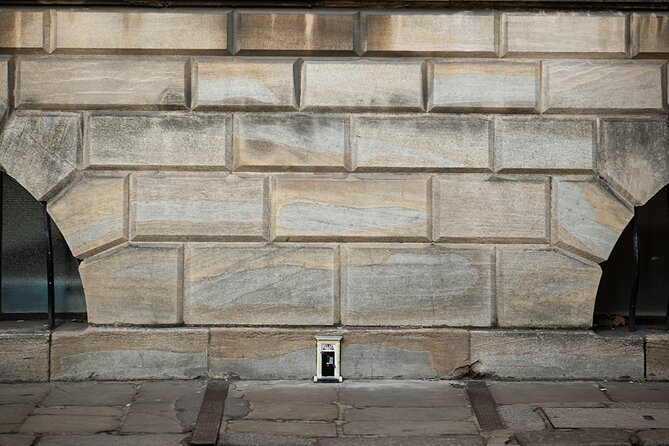
Cambridge has doors you never noticed before. This private self-guided Dinky Door Hunt turns the city into a game, with a mobile map of coordinates and short video backstories that explain what you are looking at. You move at your own pace, but you still get a route that sweeps past classic spots like Parker’s Piece and along the Cam.
I like that the hunt gives you more than just directions. Each door comes with little facts and themed mini-stories, so you are not only searching, you are also learning in a light, playful way. The best part is how the route bounces between landmarks and neighborhoods, so your brain stays engaged even during the walk.
One consideration: the stops can mean a lot of walking between areas, and not every door will feel easy to reach on foot if you are short on time or energy. Plan your day with that in mind, and you will enjoy the quest more.
In This Review
- Key things to love about the Dinky Door Hunt
- Price and timing, and what 2.5 hours gets you
- Self-guided setup: private, mobile, and not a meet-and-greet
- Starting at 24 Trinity St, then turning into a city quest
- Stop-by-stop: Cambridge’s dinky doors, from markets to parks
- All Saints Garden Art and Craft Market, plus Mr D. Mon
- Market Hill: a teleport idea and quick door-hunting
- Downing Street: something trying to get out
- Parker’s Piece: the reality-check door
- Sussex Street: what happens to lost things
- Jesus Green: portals and park hopping
- Riverside: the Cam and letter-to-email magic
- Cambridge Museum of Technology: alien-crash mystery
- Mill Road, part one: an octopus and a luxury resort idea
- Mill Road, part two: a terrible crime and what remains
- Wandlebury Country Park: optional trip beyond central Cambridge
- Green Street: a space-lift vibe
- Great St Mary’s Church: Bookmage and how books are created
- Parker’s Piece again: shrinking to Dinky size
- What makes the “dinky” design work for real people
- Potential downsides, and how to avoid frustration
- Who this is best for
- Should you book this Dinky Door Hunt?
- FAQ
- How long does the Dinky Door Hunt take?
- Where do I start, and does it end nearby?
- What language is the tour in?
- Do I need to pay for entry at the stops?
- Is this tour guided by a person?
- Is there a cancellation option if my plans change?
Key things to love about the Dinky Door Hunt
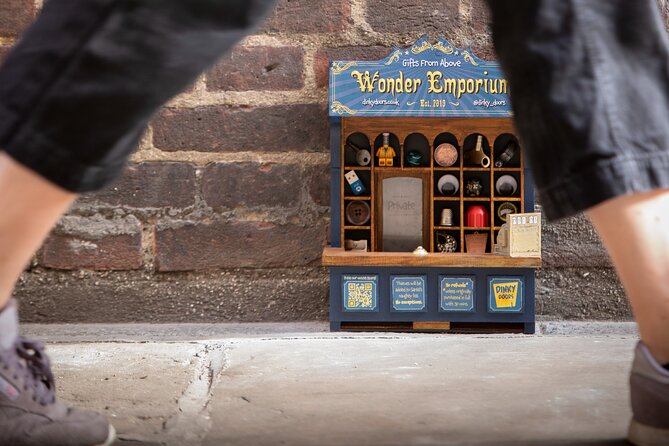
- Mobile map with coordinates helps you get close fast, instead of wandering around guessing
- Fun facts plus video backstories give meaning to each door, even if you catch just one
- You choose the pace since there is no prescribed order for visiting the doors
- Route touches iconic Cambridge areas like Parker’s Piece, the river, and Downing Street
- Private for your group so you are not sharing the experience with strangers
Price and timing, and what 2.5 hours gets you
At $11.81 per person, this is priced like a quick activity, not a full-day tour. That is a big part of the value: you are paying for a structured hunt with a map, content, and a themed route, while still keeping control of your time. The listed duration is about 2 hours 10 minutes to 2 hours 30 minutes, which is long enough to feel like you accomplished something, but short enough to pair with a meal, museum visit, or a punt later.
The practical trick is to think of those door stops as brief moments of looking, reading, and watching, then factor in actual walking between areas. Even if each door point is designed for around 10 minutes, Cambridge is not flat and compact in a straight line. So your real time depends on how quickly you move from one zone to the next.
Also note the activity runs during 9:00 AM to 5:30 PM. If you start late, you may squeeze your route into the last stretch. If you are traveling with kids, earlier in the day tends to keep the energy high and the photos better.
Also on in Cambridge, no fuss

Self-guided setup: private, mobile, and not a meet-and-greet
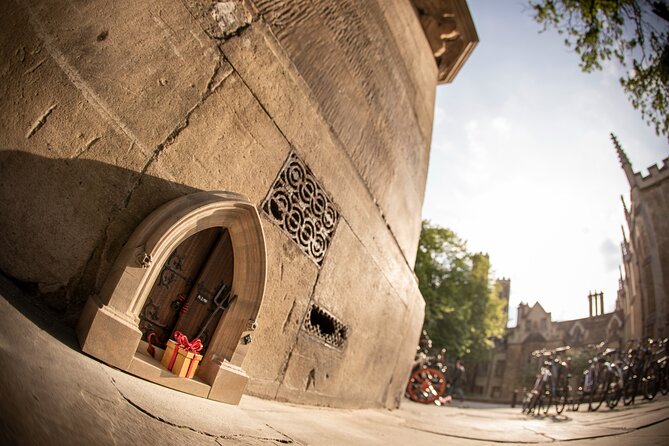
This is a self-guided experience offered in English. You use your access on a website, tied to your mobile use, and you follow the door locations with the map and on-screen information. Even though it is private for your group, you should not expect someone to walk with you in person.
That matters because the hunt is only as smooth as your ability to open the site, view the map, and find the correct door near the right spot. One downside you may run into, depending on phone connection, is that the map link can be spotty at times. If your signal is weak, plan ahead with good reception and give yourself an extra minute or two to reload pages.
If you want the best experience, treat it like a small scavenger mission:
- Keep your phone charged.
- Arrive at the meeting point, 24 Trinity St, Cambridge, ready to start.
- Before you begin, open the website and confirm your access code works so you are not troubleshooting mid-walk.
Starting at 24 Trinity St, then turning into a city quest
The hunt starts at 24 Trinity St and ends back at the same meeting point. That is helpful for two reasons. First, it keeps you oriented in the center. Second, it makes it easier to plan food afterward, since you are not stuck far away without a clear way back.
From there, you work through Cambridge in themed segments. The stops are spread across markets, streets, parks, and landmarks, with some stops closer together and others farther apart. You also get a few repeat locations, including Parker’s Piece and the Mill Road area, which helps stitch together routes so you can loop back without feeling lost.
Stop-by-stop: Cambridge’s dinky doors, from markets to parks

Below is the spirit of the route, in the same order you will encounter it on the way through the city.
All Saints Garden Art and Craft Market, plus Mr D. Mon
Your first quest moment is at the All Saints Garden Art and Craft Market area, where you are invited to go looking for the door linked with Mr D. Mon and the Love from Above theme. This is a strong opener because it sets the tone: the doors feel like mini sculptures with stories, not random street art.
Time-wise, you get around 10 minutes here. That is enough to spot the door, read the content, and watch the short video that gives the backstory. If you are with kids, this first stop often determines whether the whole hunt feels fun or confusing, so I recommend taking your time and starting with a calm pace.
While the kettle’s on in Cambridge:
- Cambridge University Walking Tour by Alumni™ Kings College Option★ 5.0 · 2,336 reviews
- Cambridge University With Alumni: Optional Kings College Entrance★ 5.0 · 1,987 reviews
- Punting Tour in Cambridge★ 4.5 · 1,690 reviews
- Shared Guided Punting Tour of Cambridge★ 5.0 · 787 reviews
Market Hill: a teleport idea and quick door-hunting
Next comes Market Hill, where the door prompt leans into a playful idea of teleporting to save time. The vibe here is brisk and practical: check the coordinate, get close, and confirm you have the right spot before you move on.
You will see that the tour does not force a strict order, but this early sequence is a useful way to build momentum. If you are feeling rushed, pick up what you can without trying to perfect every stop.
Downing Street: something trying to get out
Downing Street adds a little mystery. The door theme suggests something is behind the door, trying to get out, tied to a bit of political humor. This kind of storytelling is exactly why the hunt works for adults and kids alike. You are not just scanning for a small object, you are looking for a scene that fits a micro-story.
At this stage, you are building a pattern: find, read, watch, then move. Once you fall into that rhythm, you will spend less time roaming.
Parker’s Piece: the reality-check door
Parker’s Piece is a well-known Cambridge landmark, and it is an ideal setting for a Dinky Door theme that plays with the idea of reality checking. This stop is worth slowing down a notch, because you can combine door hunting with a proper pause in the park area.
It is also one of those places where you can take photos without feeling like you are standing in a busy roadway. If you want the hunt to feel like a walk through Cambridge, this is the stop where it starts to click.
Sussex Street: what happens to lost things
Sussex Street shifts the theme into something many people relate to: what happens to things you lose. The door here is part of the hunt’s magic trick style, making you look at a small detail in a street setting as if it belongs to a larger story.
This is a good point to keep your eyes up, not only down. Some door-like features are easy to miss when you are stuck staring at the sidewalk.
Jesus Green: portals and park hopping
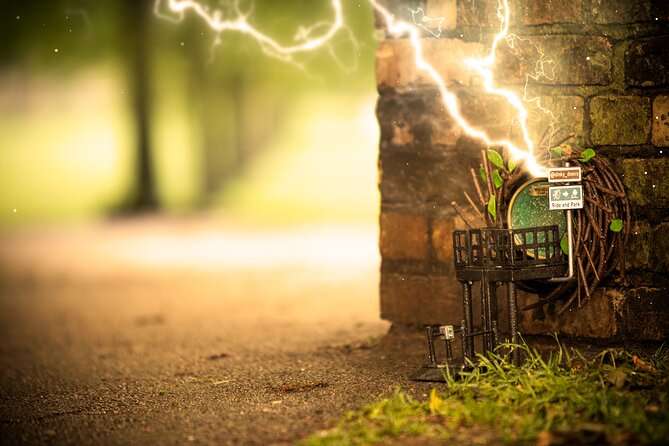
At Jesus Green, the door is set up as a gateway with spinning portal vibes, plus the promise of quick access to two other parks. Even if you do not end up adding extra park time, the door theme makes the area feel like more than just a green patch.
This is also where the route’s pacing becomes important. Parks give you a visual break. They also add turning time and detours if you are trying to get the exact angle. Give yourself that little cushion so you do not feel behind.
Riverside: the Cam and letter-to-email magic
Riverside along the Cam gives you a scenic change from streets and markets. The door theme here is a playful transformation, where letters and parcels become emails. That makes the stop feel modern and fun, even though the doorway concept is timeless.
If the weather is decent, plan to enjoy the river walk for a few minutes. Even though the door stop is short, the surrounding atmosphere helps the hunt feel like a Cambridge outing, not a checklist.
Cambridge Museum of Technology: alien-crash mystery
The Cambridge Museum of Technology stop adds a bigger storyline. The prompt sets up an alien-crash scenario and asks what happened to the survivor. If you already like quirky science fiction, this section will land well. If you do not, the fun is still in spotting the door and watching the backstory content.
One practical note: museums can have their own rhythms. This hunt stop is built to be short, around 10 minutes, so you can keep it as door hunting only, or you can add time for the museum if you want more.
Mill Road, part one: an octopus and a luxury resort idea
Mill Road brings in a whimsical octopus prompt and the idea of an upscale resort built for octopus friends. It is the kind of theme that makes the doors feel like part of a playful universe you can enter.
Also, Mill Road shows you a reality of self-guided hunts: sometimes the route runs through areas that feel active. Keep your phone steady, check the map, and do not get distracted by passing foot traffic.
Mill Road, part two: a terrible crime and what remains
The second Mill Road stop pivots to a darker mystery, tied to a shocking crime that shook Cambridge. It also asks what was there before and what remains now. This door-hunt design works because it swings between silly and serious, and you get a quick mental change each time you switch themes.
This second door in the same general area can reduce stress. If one door is harder to locate, you still have another chance nearby, and you keep momentum.
Wandlebury Country Park: optional trip beyond central Cambridge
Wandlebury Country Park is described as not immediately in Cambridge, with an optional visit. Since the door there involves a legendary undefeated knight theme, it sounds like the kind of stop you might add if you have a bike, car, or bus access and you want a broader range of Cambridge area scenery.
Because the stop is optional, it is a smart flexibility point. If you are walking and your legs are tired, you can skip it and still complete the main hunt.
Green Street: a space-lift vibe
Green Street shifts to a sci-fi mood again, with the idea of getting a lift to space. This is another example of why the hunt feels more like a story game than a simple scavenger hunt. The door becomes part of a narrative you can follow in a single afternoon.
Great St Mary’s Church: Bookmage and how books are created
Great St Mary’s Church adds a cultural landmark moment, and the door theme points toward the idea of books being created by authors in a more mystical way, with the idea of meeting a Bookmage. Even if you only take a quick look, it turns a famous building into a story setting.
This stop also helps balance the more playful street themes by anchoring the hunt at a major Cambridge landmark.
Parker’s Piece again: shrinking to Dinky size
The final Parker’s Piece reference returns to the Dinky size theme. For many groups, this kind of repeat location is practical. It is a way to close the loop around a famous park without forcing you to remember yet another far-off landmark.
It is also a nice emotional landing: you end near the same area type that helped the hunt feel like a Cambridge walk.
What makes the “dinky” design work for real people
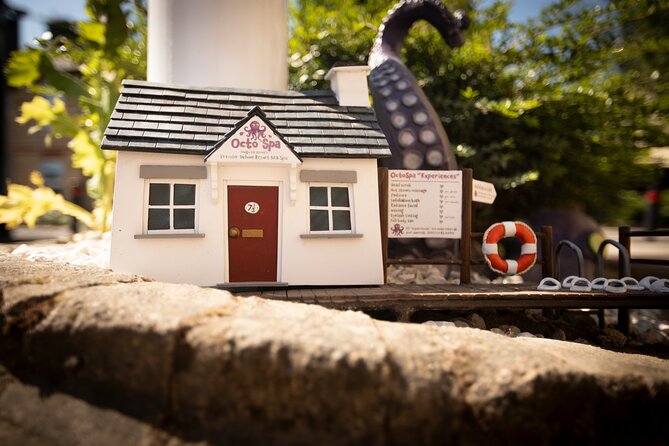
The concept is simple, but the execution is practical.
You get coordinates, so you are not spending 30 minutes circling one intersection. You also get short videos and fun facts, so you are not only hunting for small objects, you are taking in small, shareable stories along the way.
For families, this works because the game has built-in incentives: every door comes with a prompt, and kids can point out what is happening in the mini-story. For adults, the value is different. You are walking, yes, but you are also paying attention to details and corners you usually ignore.
And because it is private for your group, the vibe stays in your control. If you want quick stops, you can move fast. If you want more reading time, you can slow down.
Potential downsides, and how to avoid frustration
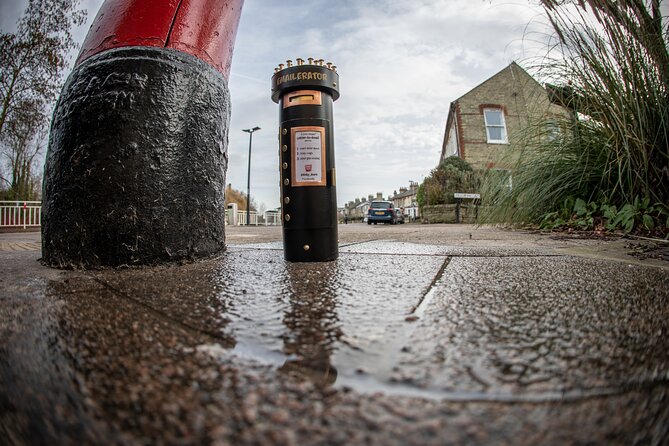
Two things can make or break the day.
First, the route can feel like a lot of walking if you assume Cambridge streets connect in a straight line. If you want to do everything, start early and keep a realistic pace. If you prefer shorter distances, consider skipping the optional Wandlebury Country Park stop.
Second, since it is self-guided, you are responsible for having the phone map and access ready. If the map connection feels spotty, do not panic. Give it an extra minute, reload, and use the coordinates method instead of wandering in broad circles.
A final note: because there is no in-person guide, it is smart to read whatever instructions you receive at booking and make sure your code is ready before you start.
Who this is best for
This hunt is a great fit if you want a light, themed way to explore Cambridge without committing to a full guided tour. It also works well if you like puzzles, short stories, and “look again” adventures, where the city rewards your attention.
It also suits families, especially because the door themes are playful and easy to get excited about. If you are traveling solo, it can be a fun self-paced walk. If you are in a group with mixed interests, the door prompts help keep everyone engaged.
If you have mobility limits, the experience says most travelers can participate, but the route includes multiple areas and an optional park outside central Cambridge. If walking is a concern, plan a strategy and consider using transport to reduce long gaps.
Should you book this Dinky Door Hunt?
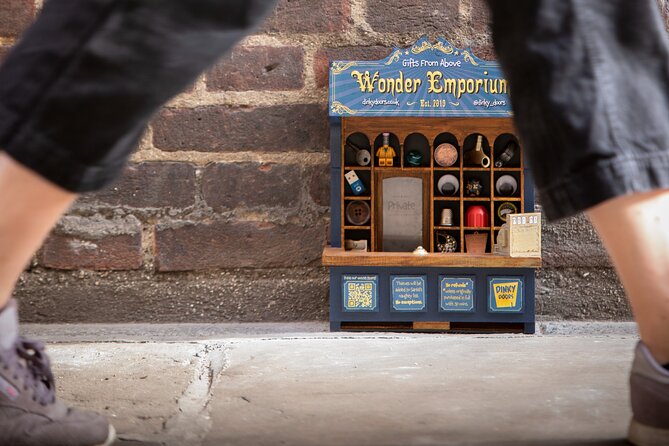
Yes, I would book it if you want an affordable, story-driven way to see Cambridge at your own pace. The map with coordinates and the mix of landmarks and neighborhoods give you good value for a 2.5-hour outing.
I would think twice if you dislike self-guided experiences, since there is no meet-and-greet or walking guide. And I would plan carefully if you are worried about distance, because the stops are spread across different zones and not every door may feel practical to reach on foot.
If you do book, come ready: confirm your access, keep your phone charged, and start early. Then treat it like a mission, not a race, and Cambridge will reward you with those tiny doors and the stories behind them.
FAQ
How long does the Dinky Door Hunt take?
The experience runs about 2 hours 10 minutes to 2 hours 30 minutes, depending on your pace and how long you spend at each door.
Where do I start, and does it end nearby?
You start at 24 Trinity St, Cambridge CB2 1SU, UK, and the activity ends back at the same meeting point.
What language is the tour in?
The tour is offered in English.
Do I need to pay for entry at the stops?
The stops in the route list show admission ticket free for each stop, so you are not paying separate entry fees as part of the door-hunting points.
Is this tour guided by a person?
This is self-guided. It is provided through a mobile ticket and an online tour you access on a website, and only your group participates.
Is there a cancellation option if my plans change?
Yes. Free cancellation is available, and you can cancel up to 24 hours in advance for a full refund. If you cancel less than 24 hours before the start time, the amount paid is not refunded.
Latest to join the queue for Cambridge




Self-Guided Tours, compared.


Golden Tours York Hop-on Hop-off Open Top Bus Tour with Audio Guide
Read our review →
Windsor Castle Tour from London with Transportation & Audio Guide
Read our review →
London Panoramic Open Top Bus Tour with Audio Guide
Read our review →
Romans, Vikings and Medieval York: An Audio Tour
Read our review →
Emirates Stadium and Arsenal Museum Entrance Ticket Including Audio Guide
Read our review →
Natural History Museum Express Guided Tour & Audio Guide
Read our review →
Buckingham Palace: Walking Tour with Entry & Audio Guide
Read our review →Browse the lists this tour appears in