
Reviewed · CHURCHILL & WWII LONDON TOURS
Winston Churchill’s London – A Very Small Group Walking Tour
Six Churchill fans, one tight loop of London. This small-group walking tour follows Winston Churchill through the streets where his life played out, from Mayfair homes to Parliament-side landmarks, with stories that connect the personal to the political. I especially love the mix of everyday details, like tailors and cigars, with major government places you usually only see from postcards. I also like the pacing you get when a guide can actually talk to everyone in a group of six.
One thing to consider: the tour ends at the Churchill War Rooms, but entry is not included, so if you want to go inside, plan to book tickets in advance.
In This Review
- Key Things I’d Prioritize on This Tour
- Why Churchill’s London Works Best in a Six-Person Loop
- Arlington Street Start: Getting Oriented Before Mayfair Begins
- Mayfair: Childhood, Bachelor Life, Clementine, and the Allies Statue
- Savile Row in 10 Minutes: Henry Poole and Co, Pinstripes, and Cigar Stubs
- St. James’s Shopping Area: Where Churchill’s Taste Gets Concrete
- Spencer House: The Family Web and the Diana Connection
- Turnbull and Asser: The Romper Suit and Churchill’s Wartime Practicality
- Cigars at James J. Fox and Robert Lewis: Romeo y Julieta and a Sample Moment
- Saint Margaret’s Church on Parliament Square: Clementine’s Wedding Site
- Parliament Square: The Statue, the Peerage Choice, and Power as a Decision
- Whitehall: The Red Lion Pub and the Tradition of Prime Ministers
- 10 Downing Street: The Door Churchill Walked Through
- Cabinet War Rooms Finish: Once-Top-Secret Spaces You Can Visit If You Prebook
- Price and Value: Is $94.65 Worth It?
- Who Should Book This Tour (And Who Might Skip It)
- Should You Book Winston Churchill’s London?
- FAQ
- How long is the Winston Churchill’s London walking tour?
- What is the group size for this tour?
- Where does the tour start and end?
- Is the Churchill War Rooms entry included in the price?
- Which stops are included during the walk?
- What is the price of the tour?
- What language is the tour offered in?
- Can I get a full refund if I cancel?
- Is there any admission cost during the tour besides the War Rooms?
Key Things I’d Prioritize on This Tour
- Max six people keeps the stories conversational, not lecture-style.
- Tailoring stop set pieces at Savile Row, including Henry Poole and Co, with Churchill ties you won’t get from a single museum visit.
- Parliament Square and Whitehall give context for how Churchill thought about power and tradition.
- The War Rooms finish is timed for the exterior experience, with optional inside entry if you prebook.
- Local-detail energy, including a stop tied to Churchill’s cigar habits and a chance to sample in the upstairs lounge.
Why Churchill’s London Works Best in a Six-Person Loop
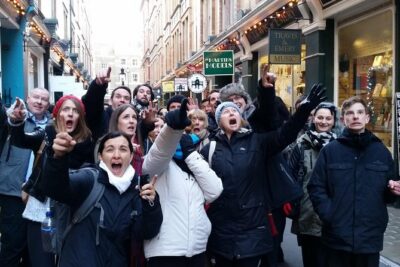
London tours often feel crowded. This one doesn’t. The group is capped at six travelers, and that changes everything. You can ask questions. You hear the guide’s details clearly. And the guide can adjust the walk to the group’s pace, which matters on a city route where some stops are short and others take time.
The whole experience is designed around a human scale. Instead of treating Churchill like a statue, you move through the settings that shaped him. You see where he shopped, where he dressed, where he celebrated, and where he argued policy. It is not just “look here, important building.” It is “look here, and here is why it mattered to him.”
The tour runs in English and is guided end to end. You get a mobile ticket, which is useful in a city where paper tickets become a small mess in your pocket.
More Guided Walks in London

Arlington Street Start: Getting Oriented Before Mayfair Begins
The meeting point is at 1 to 3 Arlington Street, London SW1A 1RA. This location is a smart starting spot because it puts you right in the flow toward Mayfair, where the early part of the story focuses on Churchill as a young man: ambitious, social, and already starting to build a public identity.
From the jump, the tone is practical. The guide frames what you will see, not just what it is called. That helps you connect the dots once the walk starts moving. It also helps you appreciate why certain stops are oddly specific, like a tailor, a cigar merchant, or a church next to Westminster Abbey.
Since it is a walking tour that lasts about 2 to 3 hours, you’ll want to be comfortable on foot. If you prefer museum galleries with benches every few minutes, this route is still doable, but you may feel more pressure to keep a steady pace.
Mayfair: Childhood, Bachelor Life, Clementine, and the Allies Statue
The first stop is Mayfair, and it runs about 45 minutes. This is the tour’s “Churchill the person” section. It focuses on his youth and early adult life, especially how he carved out his place in the world.
You walk around the area tied to his earliest London years, including his first childhood home. You also get time for his bachelor life, his social habits, and the home he set up with his wife, Clementine. The guide then threads those moments into the larger Churchill story, so you feel less like you’re collecting facts and more like you’re following a timeline.
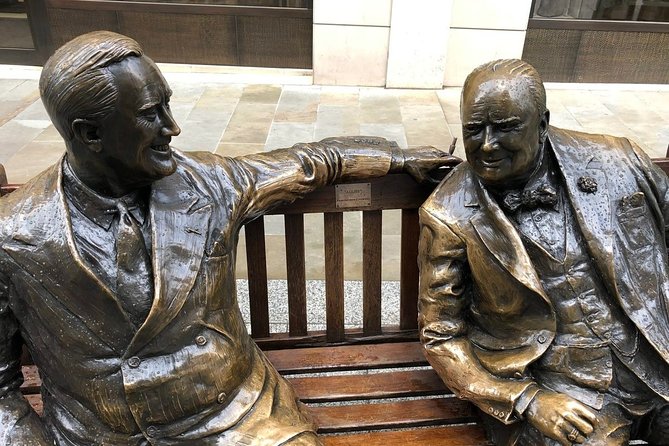
There’s also a fun visual checkpoint: you get time to pose with Churchill and Roosevelt at the Allies Statue. It is not just a photo opportunity. The stop gives you a quick reality check on how Churchill was viewed internationally, including his relationship with the United States during World War II.
The Mayfair segment also includes visits connected to his favorite tailors. That matters later, because the tour keeps returning to the idea that Churchill paid attention to how he looked and how he dressed. In London, those choices show up in real shopfronts, not just old portraits.
Savile Row in 10 Minutes: Henry Poole and Co, Pinstripes, and Cigar Stubs
Next you head to Savile Row, with a 10-minute stop at Henry Poole and Co. This is one of those places that turns a name into a setting. You go from Churchill’s London life into the world of bespoke tailoring, where details get treated like serious business.
The Henry Poole link to Churchill is the kind of connection that sticks because it is both historical and specific. His father, Randolph Churchill, was made suits by the company. Winston also had suits made over the years. The tour mentions the Pinstripe suit connection connected to the famous Tommy Gun photo, which helps you connect image to maker.
Then there is the charming story about alterations. The tailors would allegedly find cigar stubs in pockets when suits came in for changes. That kind of detail makes Churchill feel immediate. It is not “the man of history,” it is “the man who smoked, carried cigars, and kept wearing his favorite style.”
A pop culture bridge is also included. Henry Poole and Co were called on to make Gary Oldman’s suits for the film The Darkest Hour. That gives you a neat reminder that Churchill’s look keeps influencing modern portrayals.
Short stop length is the tradeoff here. You’ll see the shopfront and hear the connections, but you likely won’t have time to linger deeply inside.
St. James’s Shopping Area: Where Churchill’s Taste Gets Concrete
Your St. James’s stop is about 20 minutes, and it’s aimed at Churchill’s habits as a shopper, not just his political career. This area is known for upscale gentlemen’s stores and classic personal grooming.
The tour frames the neighborhood in the language of lifestyle: James Bond is associated with buying clothes and cologne here, and you’ll also see Sir Winston Churchill frequented shops, including ones tied to aftershaves and even a cheese monger.
Why this works on a Churchill tour: it answers a subtle question. What did Churchill actually like in everyday life? You get hints that his standards and preferences were consistent. That’s a useful contrast to the idea of him as only a war leader. He had routine. He had tastes. He had places he returned to.
If you are not into shopping streets or you find fashion stories a bit slow, this may feel like the least “major landmark” segment. Still, it’s also one of the most human parts of the walk.
Further Churchill and wartime London tours:
- Westminster 3 Hour Walking Tour and Visit of Churchill War Rooms★ 5.0 · 967 reviews
- WW2 London Walking Tour & Churchill War Rooms Entrance Ticket★ 4.5 · 933 reviews
- London in WW2 Walking Tour with Churchill War Rooms Visit★ 5.0 · 721 reviews
- Winston Churchill & London in World War II Walking Tour★ 5.0 · 194 reviews
Spencer House: The Family Web and the Diana Connection
Next is Spencer House, around 10 minutes. The guide starts with the basic fact that Churchill was born at Blenheim Palace in 1874, but his early years were spent in London. This stop brings you into the family area where the story is linked to more than one generation.
You’ll hear about his father, Lord Randolph Churchill, and the Spencer-Churchill family name. Then the tour connects Churchill’s family relationship to Diana Spencer, who became Princess Diana. It’s a reminder that British history is not just one timeline. It’s a set of overlapping family stories that keep showing up in different eras.
Because the stop is brief, don’t expect a full genealogical lesson. What you get is the directional context so later details make more sense.
Turnbull and Asser: The Romper Suit and Churchill’s Wartime Practicality
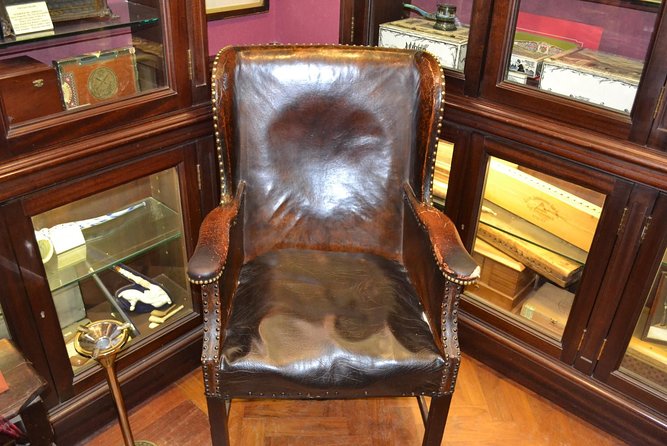
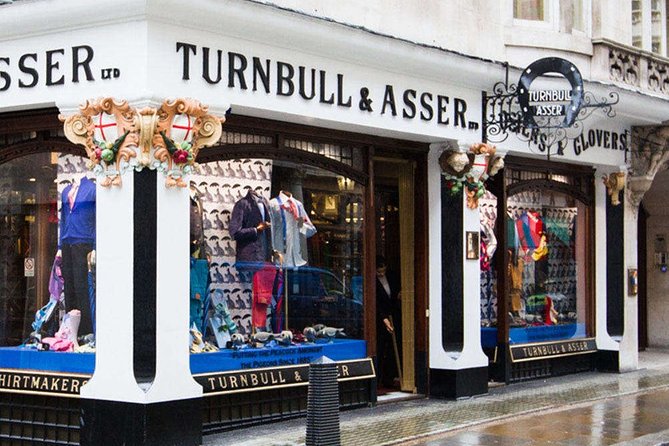
At Turnbull & Asser, you get a 10-minute stop that feels like a wardrobe subplot until the guide connects it to wartime life. Churchill was known as a snappy dresser, but he also needed practical and comfortable clothing, especially when he was out in the grounds at Chartwell or spending cold nights watching bombs fall over London.
This is where the tour brings in the Romper Suit, sometimes referred to as the Siren Suit. The tour notes that Churchill trusted only one company to make these to his specifications, his shirt maker Turnbull & Asser.
There’s also a royalty credibility note included: Turnbull & Asser was the first company Prince Charles gave a Royal Warrant to. That gives the shop weight beyond the Churchill connection. It becomes part of a wider story about British formalwear and the way certain makers earned trust over time.
This stop is valuable because it shows a side of Churchill that doesn’t always make it into dramatic speeches. He was planning for comfort, motion, and survival routines during stressful nights.
Cigars at James J. Fox and Robert Lewis: Romeo y Julieta and a Sample Moment
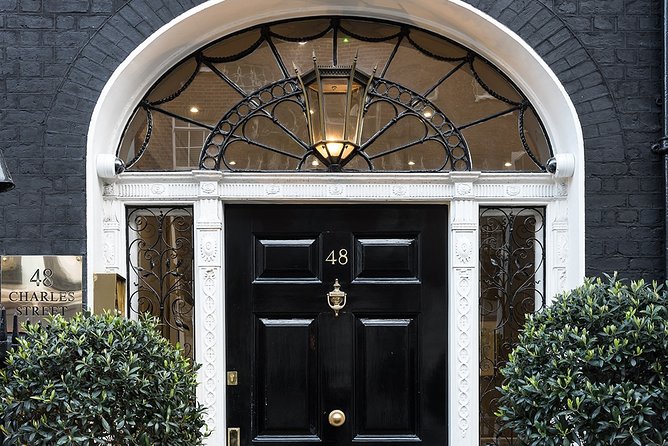
The James J. Fox and Robert Lewis stop runs about 10 minutes, and it leans into one of Churchill’s most recognizable features: the cigar.
The tour mentions that his favorite brand was Romeo y Julieta. You go to the cigar merchant where he bought his cigars, and you can sit in his chair. The tour also includes a chance to sample a cigar in the upstairs lounge.
This is a stop with real personality. It’s less about politics and more about atmosphere. It also helps answer the “how did Churchill actually live?” question by showing how his daily pleasures fit into his public image.
If you don’t care about cigars, you might find this short segment more entertaining than meaningful. But it does a good job of making the tour memorable, and it adds texture you don’t get from looking at government buildings alone.
Saint Margaret’s Church on Parliament Square: Clementine’s Wedding Site
Your St. Margaret’s Church on Parliament Square stop is about 10 minutes. This part of the walk moves into Churchill’s family milestone.
On 12 September 1908, Churchill married Clementine Hozier at this church, right next to Westminster Abbey. The tour also emphasizes that it was tied to the House of Commons community, serving as a regular spot for celebration, memorial, or thanksgiving during his lifetime.
This stop is powerful because it balances the heavy public weight of Parliament with something more intimate and human. Even if you came for politics, you end up understanding that Churchill’s world included family rituals, not only speeches and strategy.
Parliament Square: The Statue, the Peerage Choice, and Power as a Decision
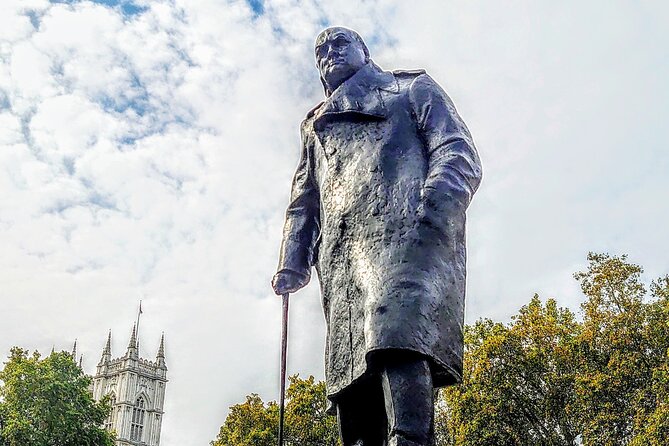
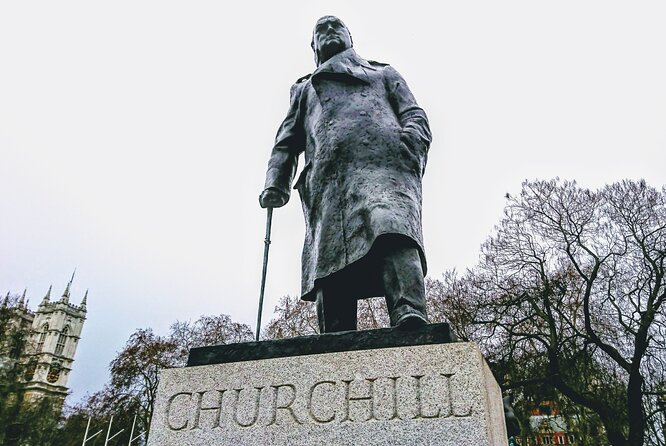
Across from the Houses of Parliament is Parliament Square. You spend about 10 minutes here, centered on Churchill’s statue facing the House of Commons.
A key point the guide covers is Churchill’s refusal of both a peerage and a dukedom. He turned them down because it would have stopped him and his male descendants from serving in the House. In other words, he chose the kind of power he wanted, and he refused an easier form.
The guide then pauses here to discuss Churchill’s political life and anecdotes. This works because the location is already symbolic. You’re in front of the space where decisions happen, and you’re hearing why Churchill treated governance like a calling rather than a ladder.
Whitehall: The Red Lion Pub and the Tradition of Prime Ministers
At Whitehall, the tour gives you a brief look at a pub with a connection to all British Prime Ministers, the Red Lion. The guide highlights a tradition: Churchill loved a drink, and the pub served prime ministers, so the habit continued.
This stop is short at about 10 minutes, but it carries a useful lesson about political culture. Churchill is often treated as only a wartime figure. Here you see him as someone who respected tradition, including small rituals.
It also gives you a fun change of scene. The walk shifts from institutions and statues to a place that feels more lived-in.
10 Downing Street: The Door Churchill Walked Through
Then you reach 10 Downing Street, also about 10 minutes. The tour notes that it has been the official residence of the Prime Minister since Robert Walpole.
One detail makes this stop feel more personal and less generic. The tour says the door Winston Churchill walked through as Prime Minister in 1940 is preserved and displayed in the Churchill War Rooms. So you are seeing a famous place now, and you’re getting a clue about what you’ll see at the end.
Even if the street view is brief, it helps you understand the logic of the route. You’re moving from Churchill’s personal spaces and shopping habits to the building blocks of state power.
Cabinet War Rooms Finish: Once-Top-Secret Spaces You Can Visit If You Prebook
The final stop is at the Churchill War Rooms, connected to the Cabinet War Rooms and the Churchill Museum. This segment is about 15 minutes and the tour ends outside.
Important detail: entry is not included. If you want to go inside and see the map rooms and museum spaces, you’ll need to book your ticket in advance through the War Rooms website.
Even without entry, the outside finish is still valuable. The guide explains what the bunker-like space was used for, and that context makes the rest of the tour click. When you’ve spent the day hearing about Churchill’s habits, family connections, and political choices, the War Rooms become more than a tourist site. They become the physical place where wartime decisions were directed.
Price and Value: Is $94.65 Worth It?
At $94.65 per person, this is not the cheapest option in London. But the value here comes from three things working together:
First, the small group size. You are paying for the ability to get real conversation and story-focused guidance. In a group of six, the guide can react to your questions and keep momentum without shouting.
Second, the tour’s structure uses a lot of free-entry stops. The itinerary notes free admission for multiple stops, with the only major paid item being Churchill War Rooms entry, which is explicitly not included. That can matter if you are trying to control costs while still wanting a well-guided experience.
Third, you get a rare balance. Many Churchill experiences focus on one lane, like speeches or battle chronology. This route mixes daily life details, like Savile Row tailoring and cigar merchandising, with landmarks like Parliament Square, Whitehall, and Downing Street. If you like Churchill as a whole person, not just a headline, that mix is worth real money.
If you are only interested in the War Rooms interior and nothing else, you may wonder why you’re paying a walking-guide fee. But if you want the “why” behind the doors and statues, the guided context is exactly what you’re paying for.
Who Should Book This Tour (And Who Might Skip It)
This tour is a good fit if you:
- Like small-group walking tours where you can ask questions.
- Want Churchill tied to real London settings, not just a slideshow.
- Enjoy the lifestyle side of history, like tailoring, grooming shops, cigar culture, and church milestones.
- Plan to do the War Rooms inside later, since this tour sets you up for it with context.
You might hesitate if you:
- Are not interested in fashion-related or cigar-related stops. Those are part of the route by design.
- Prefer long museum time. This is about moving through neighborhoods in about 2 to 3 hours, not staying in one building.
Should You Book Winston Churchill’s London?
If your idea of a great London day is a guided walk with tight pacing and real stories, I’d book it. The six-person limit and the guide’s ability to keep things engaging are the biggest strengths. The route also has a smart flow, from Mayfair through Parliament-side landmarks and ending at the War Rooms, so you finish with the feeling that you saw the man in context.
Book it especially if you plan to visit the Churchill War Rooms inside. The tour sets up what matters, then you can add the interior visit with prebooked tickets.
If you want only one type of Churchill content, like pure parliamentary debate or pure wartime bunker rooms, you might prefer a different style of tour. But for most people, this blend of political places and personal details makes it feel like the most direct way to understand Churchill through London streets.
FAQ
How long is the Winston Churchill’s London walking tour?
The tour is listed as about 2 to 3 hours.
What is the group size for this tour?
The tour has a maximum of 6 travelers.
Where does the tour start and end?
It starts at 1-3 Arlington St, London SW1A 1RA, UK and ends outside the Churchill War Rooms at King Charles St, London SW1A 2AQ, UK.
Is the Churchill War Rooms entry included in the price?
No. The tour finishes at the Churchill War Rooms, but entry to the War Rooms is not included.
Which stops are included during the walk?
The stops include Mayfair, Savile Row (Henry Poole and Co), St. James’s, Spencer House, Turnbull & Asser, James J. Fox and Robert Lewis, Saint Margaret’s Church on Parliament Square, Parliament Square, Whitehall (Red Lion pub), 10 Downing Street, and then the Churchill War Rooms area.
What is the price of the tour?
The price is $94.65 per person.
What language is the tour offered in?
The tour is offered in English.
Can I get a full refund if I cancel?
Yes, you can cancel for a full refund up to 24 hours before the experience start time.
Is there any admission cost during the tour besides the War Rooms?
The itinerary lists admission ticket free for all stops except Churchill War Rooms entry, which is not included.
On Foot, Brolly Optional
- Westminster Guided Walking Tour with Abbey Entry
★ 5.0 · 1,282 reviews - Walking Tour of London Westminster Abbey, Big Ben, Buckingham
★ 4.5 · 1,213 reviews - London West End Musical Silent Disco Walking Tour Top 1% Rated
★ 5.0 · 1,057 reviews - Changing of the Guard Walking Tour in London at Buckingham Palace
★ 5.0 · 919 reviews
Latest to join the queue for London


Churchill & WWII London Tours, compared.
Westminster 3 Hour Walking Tour and Visit of Churchill War Rooms
Read our review →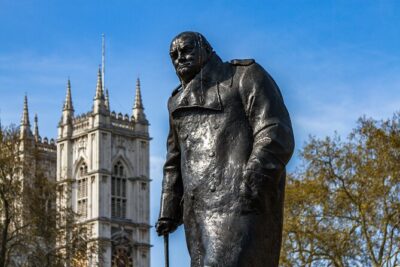
WW2 London Walking Tour & Churchill War Rooms Entrance Ticket
Read our review →
London in WW2 Walking Tour with Churchill War Rooms Visit
Read our review →
Winston Churchill & London in World War II Walking Tour
Read our review →
Roman Ruins to Blitz Bombings: A Walking Tour of London’s Fiery History
Read our review →
Sir Winston Churchill Private Walking Tour & War Rooms
Read our review →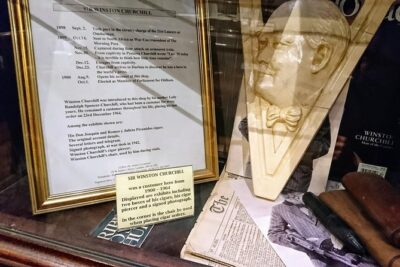
Winston Churchill’s London and The Churchill War Rooms – A Private Tour.
Read our review →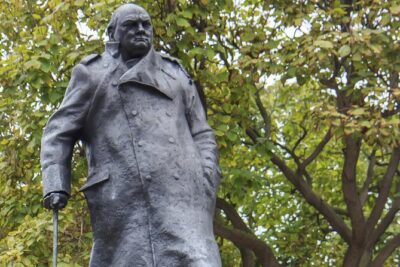
Churchill War Rooms & Wartime London Walk – Semi Private 8ppl Max
Read our review →Browse the lists this tour appears in