

Reviewed · WILDLIFE
Isle of Man Wildlife & Scenic Adventure with Wildlife enthusiast
Isle of Man birds and seals, neatly timed. This private 7.5-hour wildlife and scenery tour strings together cliff viewpoints, seal and seabird hotspots, and a remote uplands stop for raptors, all guided by a Blue Badge driver guide with marine biology background. I like that you get binoculars and a spotting scope built into the experience, so you are not guessing what to look for.
Two big pluses: you cover multiple habitats in one morning, and the guide can react to what is actually out there that day, not just a fixed checklist. One thing to consider is that wildlife viewing is never guaranteed, and some stops are brief, so you will want to come with flexible expectations and a bit of patience.
In This Review
- Key Highlights You Should Care About
- A Smart Way to Do Isle of Man Wildlife in One Morning
- Getting Oriented at Douglas Head and Marine Drive
- Langness Peninsula, Where “Protected” Actually Means Something
- The Sound and Seal Country, with Calf of Man Nearby
- Peel, a Historic Fishing Town with Bird and Marine Stops Built In
- Ayres National Nature Reserve and the Botanical Side of Wildlife
- Point of Ayre Lighthouse, the Island’s Far North Viewing Platform
- Snaefell Uplands and the Hunt for Hen Harrier
- What You Get for Your Money, and Why This Route Can Be Worth It
- Logistics That Matter Day-of
- Best Fit for Wildlife Enthusiasts (and Who Should Skip It)
- Should You Book This Isle of Man Wildlife Adventure?
- FAQ
- How long is the Isle of Man Wildlife & Scenic Adventure?
- Is this tour private?
- How many people can be in a group for this price?
- Where does the tour start and end?
- Do you offer pickup?
- What is included in the tour price?
- Are admission tickets required for the stops?
- Is lunch or refreshments included?
- Can I cancel for a full refund?
Key Highlights You Should Care About
- Marine biology focused Blue Badge guide who can connect species to the habitats you are seeing
- Binoculars and a spotting scope provided, great for quick cliff and shoreline scans
- Multi-habitat route across Douglas Head, Langness Peninsula, Peel, and the Ayres National Nature Reserve
- Seasonal birding targets like peregrine falcons and the elusive hen harrier
- Seal and dolphin viewing potential at The Sound, Peel, and Point of Ayre
- Private, air-conditioned vehicle for a smooth day with minimal fuss
A Smart Way to Do Isle of Man Wildlife in One Morning
If you like animals that have to be hunted for, not just read about, this tour fits the bill. The route is built around places where wildlife naturally concentrates, including cliff faces, protected nature areas, and coastal waters where seabirds and marine mammals often show up.
The other thing I like is the pace. You are not stuck on one long hike or one single town. Instead, you get short stops timed for scanning, then you move on before the light or energy fades. That matters in places like the Isle of Man, where weather can turn fast and the best viewing moments can be brief.
And yes, it is private, up to four people per group. That is good value if you are traveling with a partner or a small group, because the cost is per group, not per person. Your guide also brings the technical side, with binoculars plus a spotting scope, so the wildlife part feels intentional, not random.
The main trade-off is time. Stops are around 30 to 60 minutes, and some of the best places are outdoors and exposed. If you are the type who needs long hours to stare at one spot, you might feel a little rushed. If you enjoy moving between habitats and stacking sightings, this route is a strong match.
Also on in Isle of Man, no fuss
Getting Oriented at Douglas Head and Marine Drive
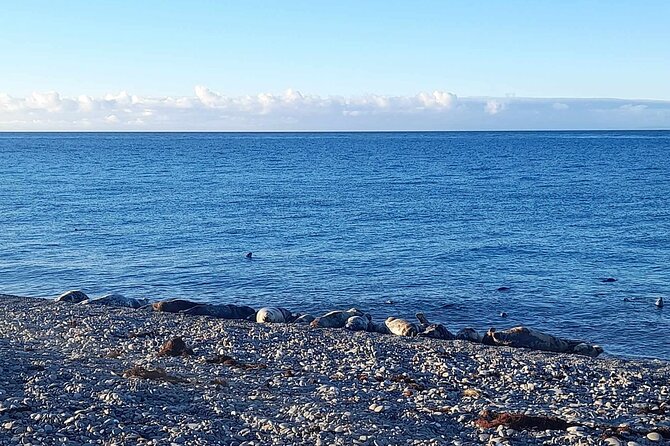
Your first stop is Douglas Head, along Marine Drive with high coastal cliffs and big Irish Sea views. This is the kind of place where you can look up and look across at the same time, which is ideal when you are trying to spot birds that use cliffs like highways.
Here, the focus is on peregrine falcons in their traditional cliff habitat, plus the chance to see choughs along the coastal edges. The route also runs near areas that can be rich with wildflowers, so you might notice color changes even when birds are quiet. The guide can also help you keep an eye on passing marine life farther out.
Practical tip: bring a phone camera, but also trust the guide’s gear. Cliff birds can be distant and fast. A spotting scope is often the difference between guessing and identifying. If you want to photograph, aim for quick bursts when the birds shift position.
A consideration at this stop: cliffs can be windy, and your view points depend on where the guide positions you. If you are uncomfortable outdoors or with uneven ground near viewpoints, just plan for extra care and keep your layers ready.
Langness Peninsula, Where “Protected” Actually Means Something
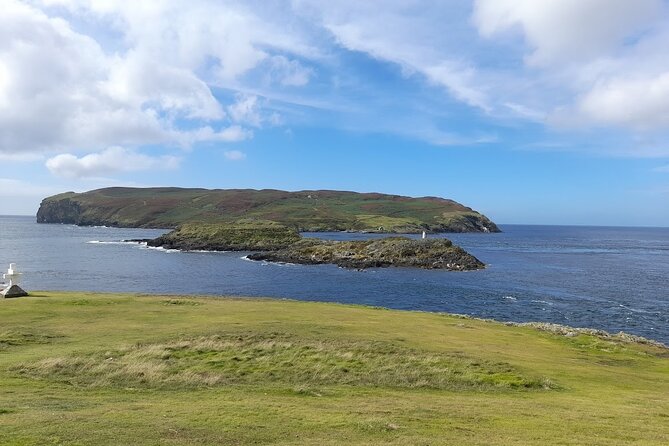
Next is Langness Peninsula, a Special Scientific Interest area that is recognized by UNESCO as one of the best places in the world to explore nature. That is not just marketing. It signals that the habitat is protected for a reason: lots of species depend on the specific mix of land, shoreline, and open spaces here.
Depending on the season, you can look for skylarks, curlews, choughs, and numerous waders. This stop is where the tour starts to feel like serious birding, but in a friendly way. The guide’s background helps you connect what you see to why it is here, such as food sources and nesting habits tied to shoreline conditions.
Practical tip: waders often hide until they move. When the ground looks quiet, keep your eyes low and scan methodically. The guide’s pace is helpful here. You do not need to know species names in advance, but you will start to understand patterns, like what birds tend to do in waves and what movements often mean.
Possible drawback: because bird activity changes with weather and time of day, this stop can be quiet. If that happens, use the downtime to watch habitat details. The best birding days do not always deliver instant payoff, but you can still come away with a clear sense of the place.
The Sound and Seal Country, with Calf of Man Nearby
At The Sound Cafe Isle of Man, you get overlooks toward the Calf of Man, which is a Nature Reserve. This stop is designed for the marine side of the day: coastal views, rocky shorelines, and birds that use the water edge.
Expect a strong chance at Atlantic grey seals, along with other passing marine life and various bird species. In this area, the scenery is dramatic but also practical for spotting wildlife, because you are positioned where you can scan both shore and sea.
Practical tip: seals can appear and disappear quickly. If you see activity, let the guide confirm distance and direction, then keep watching for the pattern. Seals may rest on shore or move in the water, and both behaviors can happen close together.
A consideration here: The stop is about 45 minutes. If seals are resting and not moving, you may need to wait a bit. That is where a calm group helps, and where the guide’s guidance keeps your attention focused.
Peel, a Historic Fishing Town with Bird and Marine Stops Built In
Then you head to Peel, a historic fishing town on the west of the island with an old castle area, a marina, and coastal habitats. This is a fun change from the pure nature stops, because you get a sense of how people and wildlife share the same coastline.
This is where the tour really starts stacking variety. You can look for black guillemots nesting in harbour walls, and you may see them plunge into the water in the marina area. The guide also aims to spot gull species, waders, eider ducks, plus resident bottlenose dolphins and Atlantic grey seals.
Practical tip: at a marina, look for movement on the water surface first, then shift your attention to the walls and edges. Birds and seals often use the structure of the harbor as cover or food routes.
One watch-out: Peel is also a town, so your experience depends a bit on local activity. That said, the guide’s job is to point you to the right angles fast, which is exactly what you want on a time-limited tour.
While the kettle’s on in Isle of Man:
- Viking Tour of the Isle of Man – Half Day – Private Tour★ 5.0 · 29 reviews
- Southern Manxland Tour of Isle of Man 1-6 person upto 30 person★ 5.0 · 28 reviews
- Half day private tours of the Isle of Man with a qualified Driver Guide★ 5.0 · 27 reviews
- Isle of Man Discovery Tour with experienced Driver Guide★ 5.0 · 26 reviews
Ayres National Nature Reserve and the Botanical Side of Wildlife
The Ayres National Nature Reserve brings you into a different kind of protected habitat: shingle, sand dunes, lichen heath, and hedgerows with minimal management. That matters because it creates a patchwork. Different wildlife uses different pieces of the pattern.
Here, you can look for orchids in the lichen heath area, plus a mix of flora and fauna supported by the reserve conditions. This is a stop for people who like wildlife beyond the obvious birds and seals. Even if you do not spot a specific plant, you can still feel the structure of the habitat.
Practical tip: wear shoes you trust on uneven ground. Nature reserves can have sandy or gritty textures, and you might step off a path to get a better view. The guide can suggest where standing is best for viewing.
Potential drawback: if you are strictly focused on animals you can point to quickly, this stop may feel more slow-burn. The trade is worth it if you enjoy learning how lichen heath, dunes, and shingle create niches that birds and insects rely on.
Point of Ayre Lighthouse, the Island’s Far North Viewing Platform
Point of Ayre Lighthouse is your most northerly stop. It is also a cool geographical moment: you are closer to Scotland at about 14 miles than you are to Douglas, which changes the feel of the horizon and what you might spot over water.
This area sits in the Northern plain, made of sand and gravel deposited during and after the last Ice Age. You are back on low-lying lichen heath and shingle beaches, which act like shelter belts for wildlife. Depending on the season, you can look for choughs, nesting terns, and various waders and seabirds.
Atlantic grey seals are often seen bobbing in the water or hauled up on the shore resting. This is one of the places where the spotting scope earns its keep, because seals and seabirds can be visible but not always easy to identify at a distance.
Practical tip: if the wind is strong, your best viewing may be less comfortable, but more effective. Let the guide choose the safest and most useful position. Also, keep an eye on the waterline. Many seabirds move in and out of view with small changes in wave conditions.
Possible drawback: it is a far northern area, so the weather can feel sharper. If you hate wind and you do not like cold, plan to dress for it. The tour timing gives you a set amount of viewing, so you will not be stuck for hours, but you do want to be comfortable enough to stay alert.
Snaefell Uplands and the Hunt for Hen Harrier
Finally, you head to Snaefell, a remote uplands area with stunning beauty and a focus on birds of prey. This is where the tour leans into mystery. You may spot several raptor species, including the elusive hen harrier.
This stop is about 30 minutes, and it is planned to fit within travel and refreshment timing. That means the goal is scanning, not wandering. If birds are up and moving, the time feels exciting. If they are tucked away, you still get a strong sense of how this upland habitat supports birds that hunt over open ground.
Practical tip: when you are on uplands, look for movement at different heights. Harriers and other raptors can show up as silhouettes against a bright sky. The guide’s scanning pattern helps a lot here, and it keeps your eyes from freezing into one spot.
Consideration: raptors take time to appear. Even with the best effort, sightings depend on season, weather, and animal behavior. If your main dream is hen harrier, you will still be glad you came, but do keep expectations realistic.
What You Get for Your Money, and Why This Route Can Be Worth It
At $569.03 per group for up to four people, this is not a cheap “hop on and off” tour. It is a private half-day style experience with an air-conditioned vehicle, a Blue Badge guide, and wildlife viewing tools. That kind of setup is where the value comes from.
Here is the value logic I see:
- You pay for a guide who can read habitats quickly and help you interpret what you are seeing.
- You pay for equipment, binoculars plus a spotting scope, which you otherwise would have to rent or bring yourself.
- You pay for transport between multiple habitat types in about 7.5 hours, so you are not relying on your own driving plans.
To make it work for you financially, aim for a full group of four. If you are only one or two people, the per-person cost rises, but you still get the comfort and focus of a private route.
Also, admission tickets at the stops are free, which reduces small “nickel and dime” costs during the day. Lunch and refreshments are not included, so you should plan either to eat before you start or to bring something simple for the drive. The tour schedule allows for travel between points and includes time for refreshment stops, but the data does not promise a specific meal.
Logistics That Matter Day-of
You start in Douglas at the Isle of Man Steam Packet Company Ferry Travel Shop at the Sea Terminal, Douglas, Isle of Man IM1 2RF. The experience ends back at the meeting point.
Pickup is offered, and you can meet at an arranged and convenient pick up point with instructions. The return drop-off does not need to match the pickup point, and you can arrange for convenience.
The tour uses a mobile ticket and runs in English. It is a private tour, meaning only your group participates.
Timing note: the tour is about 7 hours 30 minutes, with individual stop times ranging roughly from 30 minutes to 1 hour. That is enough time to scan, but not enough to lose focus. If you are the type who needs restroom breaks at random times, think ahead before you commit.
Best Fit for Wildlife Enthusiasts (and Who Should Skip It)
This tour is ideal if you:
- love birds and want a route built around birding hotspots
- enjoy seals and coastal marine life viewing
- like guided scanning with real wildlife tools
- prefer private small-group travel over public transport juggling
You might want to pass if you:
- want long unhurried hikes at one spot
- need guaranteed sightings, like a guaranteed hen harrier or dolphins
- want a full meal included as part of the cost
One more fit note: it is “most travelers can participate,” and service animals are allowed. If you have specific mobility concerns, you will still want to check what walking is like at each viewpoint, since coastal areas can involve uneven or windy conditions.
Should You Book This Isle of Man Wildlife Adventure?
I think you should book it if your top goal is a well-paced wildlife-focused day that covers multiple habitats without you planning every turn yourself. The combination of a marine biology background guide, a scope and binoculars, and a route designed for birds, seals, and seabirds makes it feel like more than a scenic drive.
If you hate “maybe wildlife” and you prefer a fully predictable program, book with lower expectations for specific animals. But if you are excited by the idea of scanning cliff habitat for peregrines, checking shoreline for grey seals, and trying for upland raptors like hen harrier, this is a very solid use of a half day in the Isle of Man.
FAQ
How long is the Isle of Man Wildlife & Scenic Adventure?
The tour runs for approximately 7 hours 30 minutes.
Is this tour private?
Yes. It is a private tour, and only your group participates.
How many people can be in a group for this price?
The price is per group for up to 4 people.
Where does the tour start and end?
It starts at the Isle of Man Steam Packet Company Ferry Travel Shop Sea Terminal, Douglas, Isle of Man IM1 2RF, and ends back at the meeting point.
Do you offer pickup?
Pickup is offered. You will be contacted to arrange a convenient pick up point with accurate instructions.
What is included in the tour price?
Included features are a private air-conditioned vehicle, a Blue Badge driver guide with a background in marine biology, and binoculars and a spotting scope. The operator is Isle of Man Guided Tours and Adventures.
Are admission tickets required for the stops?
Admission tickets are listed as free at the stops.
Is lunch or refreshments included?
No. Lunch and refreshments are not included.
Can I cancel for a full refund?
Yes. You can cancel up to 24 hours in advance for a full refund.
Latest to join the queue for Isle of Man

Wildlife, compared.
Guided Wildlife and Sea Cave Kayak Safari in English Riviera
Read our review →
Wildlife Photography Workshop in Richmond Park in London
Read our review →
Lincolnshire: ARK Wildlife and Dinosaur Park Entry Ticket
Read our review →
Isle of Man Wildlife and Scenic Adventure -Half Day
Read our review →Browse the lists this tour appears in