
Reviewed · WILDLIFE
Isle of Man Wildlife and Scenic Adventure -Half Day
Seals, terns, and rare orchids in one half day. This private Isle of Man wildlife run makes three nature-focused stops, with Ayres National Nature Reserve and Point of Ayre Lighthouse built around real animal spotting. My favorite part is how the day is guided by Louise, a Blue Badge driver guide with a marine biology background.
I love that you are not just looking at scenery, you are looking with tools. With binoculars and a spotting scope, Louise can help you pick out birds and seals, and the walks at Ayres can put Orchids on your radar depending on the season.
The only catch is simple: refreshments are not included, so plan on bringing a water bottle and a small snack, especially if you run hot in the car.
In This Review
- Key Highlights I Think You’ll Care About
- How This Half Day Wildlife Circuit Really Works
- Louise the Guide: Marine Biology in Plain Language
- Ayres National Nature Reserve: Shingle, Sand Dunes, Lichen Heath, and Orchids
- Point of Ayre Lighthouse: The Northern Plain, Seabirds, and Grey Seals
- Snaefell Uplands: Bird of Prey Watching and Time for a Reset
- Price and Value: What $332.73 Gets Your Group
- Getting the Most Out of Your Wildlife Day
- Should You Book This Isle of Man Wildlife Adventure?
- FAQ
- How long is the Isle of Man wildlife and scenic adventure?
- Is this tour private or shared?
- What wildlife stops are included?
- Are admission tickets included for the stops?
- Do I need to bring refreshments?
- Where does the tour start and end?
- Is pickup available?
- What about tickets, language, and accessibility basics?
Key Highlights I Think You’ll Care About
- Private, small-group format: up to 4 people in an air conditioned vehicle, so you can move at a pace that fits your group
- Louise’s marine biology background: useful explanations that make animal behavior easier to understand in the moment
- Free admission at each nature stop: Ayres and Point of Ayre are ticketed sites, with entry included
- Wildlife spotting gear: binoculars plus a spotting scope for longer looks
- Three different habitats in one half day: shingle and sand dunes, a northern coast full of birds and seals, and upland terrain for raptors
How This Half Day Wildlife Circuit Really Works
This is a tight, well-paced half day, designed for people who want Isle of Man wildlife without spending a full day on the road. You start and end near the Douglas Sea Terminal area, and the timing is set up for travel between three wildlife rich sites plus a refreshment pause.
What makes this format feel smart is the variety of habitats. You go from protected dune and lichen heath systems, to a windswept northern shoreline where seabirds and seals hang around, and then to higher ground on Snaefell. That means you are not stuck doing the same kind of looking for hours.
You also get a private vehicle experience. That matters because weather changes fast on the coast, and you can reset plans on the fly while still seeing the main sites. It is not a chaotic bus ride with a pile of strangers, it is your group, your guide, and a route built around spotting opportunities.
Also on in Isle of Man, no fuss
Louise the Guide: Marine Biology in Plain Language
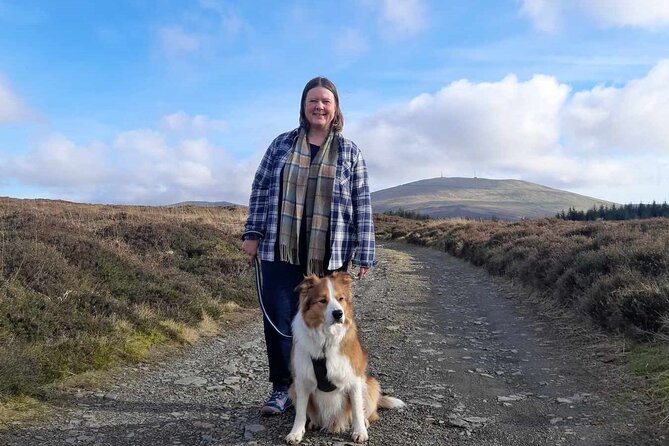
The biggest upgrade here is the guide. Louise is a Blue Badge driver guide with a marine biology background, and it shows in how she teaches without getting too academic. You get practical context that makes what you are seeing make sense.
For wildlife watching, the difference between just staring and actually noticing can be huge. Louise helps you look for the right details, like body shape, movement patterns, and the way birds use shoreline edges. The gear helps, too. You travel with binoculars and a spotting scope, so you can focus on smaller targets without guessing.
One thing I especially like is that the tour is flexible with walking pace. If your group wants longer looks, you can slow down. If you want to keep moving, you can keep moving. That is a small thing, but it changes the quality of the outing.
If you care about the Isle of Man beyond a quick photo stop, this is the kind of guide who can connect flora and fauna to where you are standing. That is how you go home knowing what the place is, not just where it is.
Ayres National Nature Reserve: Shingle, Sand Dunes, Lichen Heath, and Orchids
Ayres National Nature Reserve is the kind of site that rewards calm attention. The terrain is distinctive, with shingle and sand dunes plus lichen heath. It sounds like a dry list, but it turns into something visual fast once you are there.
You are exploring protected and rare habitats, and the reserve is known for the combination of low, textured ground cover and hedgerows that are left with minimal management. That matters. When hedgerows are not constantly trimmed into uniform lines, you get more structure for wildlife and more room for varied plants to thrive.
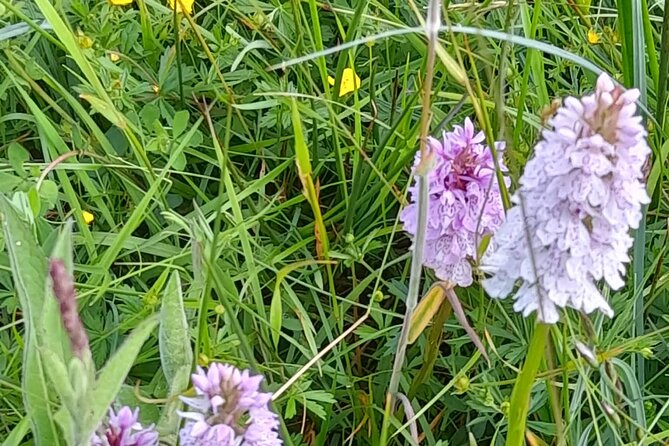
This is also where orchids can come into the picture depending on the season. Even if you do not spot one, you will usually come away with a better sense of what lichen heath looks like up close, and how it supports the broader web of plant and insect life. It is less about dramatic views and more about “nature working at ground level,” which I personally love.
A practical note: this is not a themed garden walk. Expect uneven ground near dunes and shingle areas, and dress for that. Comfortable shoes matter more than a fancy outfit.
Why this stop is worth your time: it adds depth to the rest of the tour. After Ayres, the coast and uplands do not feel like random sightseeing stops. They feel like different chapters in the same island story.
Point of Ayre Lighthouse: The Northern Plain, Seabirds, and Grey Seals
Point of Ayre is the most northerly point on the Isle of Man, and it has a feeling of exposure that is hard to fake. It is closer to Scotland than the island’s capital Douglas, so the coastal vibe makes sense right away. The northern plain is made from sand and gravel deposited during and after the last Ice Age, and you can see that geological story in the ground itself.
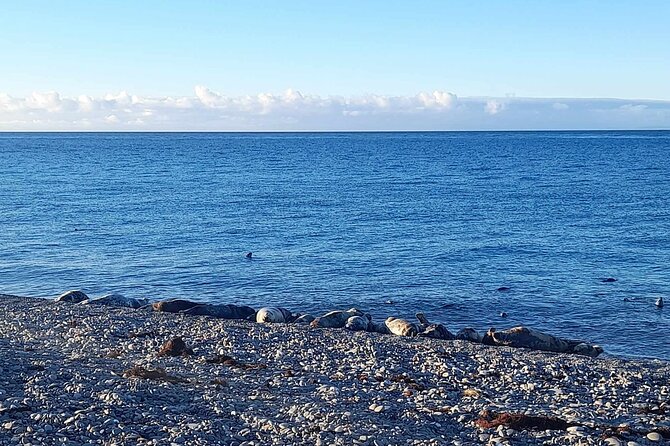
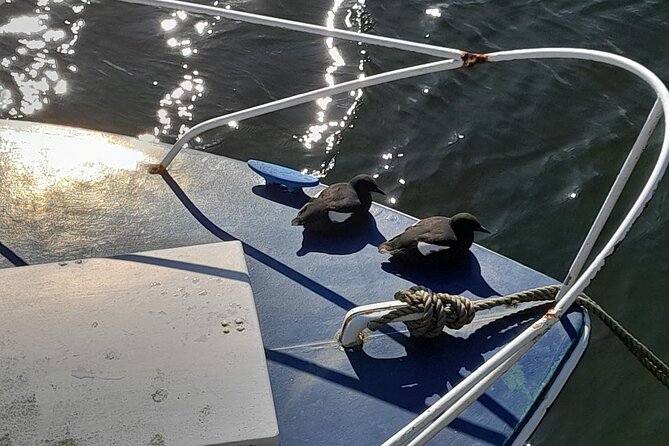
This is also where the wildlife odds often improve. Depending on the season, you may have chances to look for choughs, nesting terns, and various waders and sea birds. And one of the best reasons to come here is that Atlantic grey seals are often seen bobbing in the water or hauled up on the shore resting.
Here’s the key: you are not just hoping for a seal to show up. Louise sets you up to find wildlife by timing, positioning, and using the viewing tools. With the spotting scope and binoculars, your eyes stop searching blindly and start picking out specific shapes and behaviors.
One highlight I love about this kind of stop is how fast the scene can change. A bird that looked far off can suddenly become clear when it turns, or when you realize the pattern of movement is feeding behavior. The tour timings include enough time here for those moments, not just a quick sprint to a viewpoint.
Drawback to consider: if you are expecting a long beach stroll, this stop is more about viewing and spotting than wandering for hours. You still get time outdoors, but the goal is wildlife observation.
Also bring your patience for seabird chaos. Shorelines can be noisy, and bird behavior can be unpredictable. That is part of the fun, but it helps to go in expecting motion and variation, not a perfectly staged animal show.
Snaefell Uplands: Bird of Prey Watching and Time for a Reset
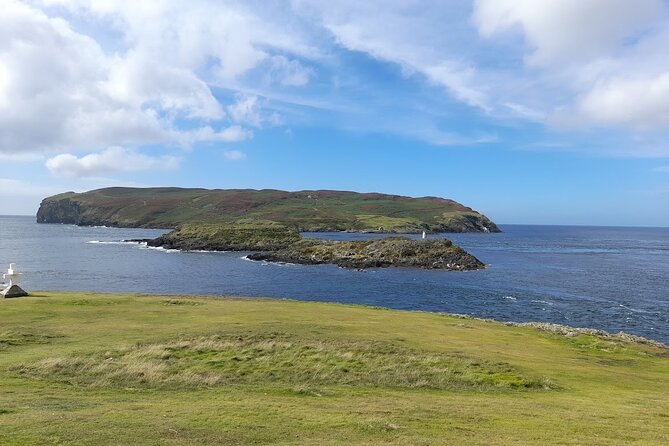
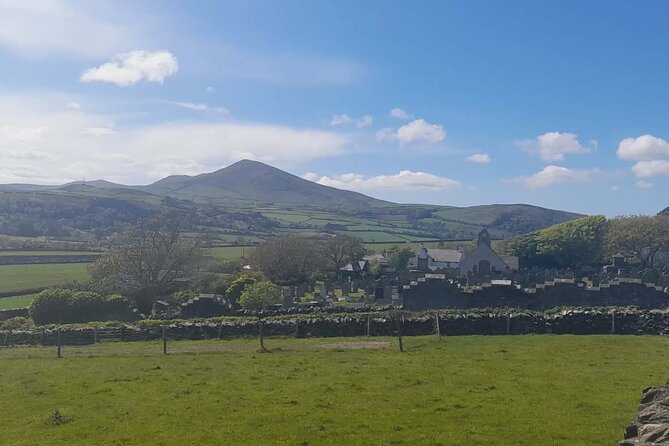
After the coast, Snaefell brings you into remote uplands with stunning beauty. The big wildlife draw here is bird of prey, including the elusive hen harrier. It is described as an opportunity, not a guarantee, and that is the honest way to treat raptor spotting.
What I like about building this stop into the route is the rhythm. You go from low ground and shoreline wildlife, then up to open upland terrain. That shift in setting keeps your eyes and mind engaged, and it helps you feel like the day is actually covering the island’s variety.
The timing is also set up for travel between points of interest and a refreshment pause. That matters because half day tours can feel rushed if every stop is about sprinting. Here, you get a built-in break, and the schedule is designed to let you transition without arriving at each site exhausted.
If you are serious about raptors, wear layers. Upland areas can feel cooler or windier than the coast depending on the day. And since the tour includes observation, you might spend a bit more time standing and looking than you expect, which is why being comfortable pays off.
Even if you do not see the hen harrier, you can still come away with a stronger sense of what upland habitat supports. That is the value of having the guide explain what you are likely looking for and how to scan effectively.
While the kettle’s on in Isle of Man:
- Viking Tour of the Isle of Man – Half Day – Private Tour★ 5.0 · 29 reviews
- Southern Manxland Tour of Isle of Man 1-6 person upto 30 person★ 5.0 · 28 reviews
- Half day private tours of the Isle of Man with a qualified Driver Guide★ 5.0 · 27 reviews
- Isle of Man Discovery Tour with experienced Driver Guide★ 5.0 · 26 reviews
Price and Value: What $332.73 Gets Your Group
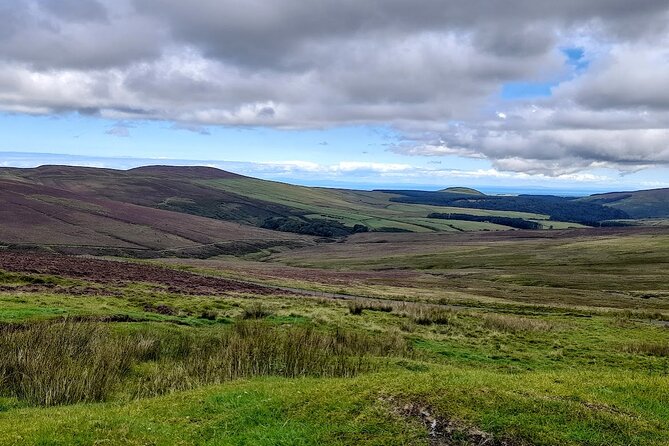
This tour is priced at $332.73 per group up to 4. That pricing structure can be a deal if you split it. For a family or a couple traveling with friends, private access plus a specialist guide can work out better than paying individual rates for multiple separate activities.
What you are really paying for is not just “a driver.” You have a Blue Badge driver guide with marine biology training, plus wildlife spotting tools. Add to that private air conditioned transport, and free admission at the ticketed nature stops, and suddenly the price looks more like an all-in service rather than a basic transfer.
Here is how I think about it for your planning:
- If you want wildlife viewing with explanation and tools, this has clear value.
- If you just want a quick drive-by photo route with no guide input, it may feel pricier than you need.
Also consider the booking pattern. This tour is often booked about 97 days in advance on average, which suggests it is in demand. If you have a firm date, book sooner rather than later.
Important cost note: refreshments are not included. That is the one part you will need to budget for yourself. Bring water, and if you eat snacks during breaks, pack something simple. It keeps the day comfortable and stops you from having to make a last-minute convenience stop when you are already in the field.
Getting the Most Out of Your Wildlife Day
To make this day work for you, focus on the basics that improve spotting and comfort.
Wear the right shoes. You will be on protected nature ground tied to shingle, dunes, and uplands. If your feet get sore, your attention drops.
Dress in layers. Coastal and upland conditions can shift. You want to stay comfortable during pauses when you are standing still to look.
Bring a small personal kit. Even though the guide handles spotting gear, you may want your own phone camera support, a water bottle, and a snack.
Plan mentally for seasonal variation. The wildlife list includes “depending on the season” for several animals. That is normal for bird and seal viewing. You are going for the best possible opportunities, not a controlled show.
Take your time when Louise adjusts the pace. If she slows down or asks you to re-position, it is usually because it helps your odds of seeing the detail you need.
The tour is built for observation. When you play along, the experience tends to feel richer and more satisfying.
Should You Book This Isle of Man Wildlife Adventure?
I think this is a strong choice if you want a private, efficient half day that mixes protected habitats, coastal wildlife, and upland raptors, all with a guide who can explain what you are seeing. Louise’s marine biology background and the use of binoculars and a spotting scope are the difference between casual sightseeing and actual wildlife watching.
You might skip it if you are traveling with very limited mobility or if you want a leisurely, long walk itinerary. This is still nature time outdoors, but the structure is observation-focused, not a full day of drifting around.
If you like the idea of going after real animal sightings and coming away with names, behaviors, and context, book it. It is one of those Isle of Man experiences that turns the island into a living place, not just a stop on a route.
FAQ
How long is the Isle of Man wildlife and scenic adventure?
It runs for about 4 hours 30 minutes.
Is this tour private or shared?
This is a private tour. Only your group will participate, with pricing set for up to 4 people.
What wildlife stops are included?
You visit Ayres National Nature Reserve, Point of Ayre Lighthouse, and Snaefell.
Are admission tickets included for the stops?
Yes. Admission tickets are free and included for the nature stops listed in the itinerary.
Do I need to bring refreshments?
Refreshments are not included. The tour includes time for travel and a refreshment stop, but you should plan to bring your own.
Where does the tour start and end?
It starts at WHSmith, Douglas Sea Terminal in Douglas, and ends back at the meeting point.
Is pickup available?
Pickup is offered. You will need to contact the provider via email or phone message to arrange a convenient pick up point with accurate instructions.
What about tickets, language, and accessibility basics?
You receive a mobile ticket, the tour is offered in English, service animals are allowed, it is near public transportation, and most travelers can participate.
Latest to join the queue for Isle of Man


Wildlife, compared.
Guided Wildlife and Sea Cave Kayak Safari in English Riviera
Read our review →
Isle of Man Wildlife & Scenic Adventure with Wildlife enthusiast
Read our review →
Wildlife Photography Workshop in Richmond Park in London
Read our review →
Lincolnshire: ARK Wildlife and Dinosaur Park Entry Ticket
Read our review →Browse the lists this tour appears in