
Reviewed · CHESTER TOURS & ACTIVITIES
Guided Overleigh Cemetery Tour in Chester
Gravestones turn Chester into a storybook. This guided walk through Overleigh Cemetery is a quiet, late-afternoon way to see the city’s past up close, guided in English with a small group feel. Expect a thoughtful pace, clear background, and details that connect names on stones to real people and real events.
I especially love how the tour gives historical context for why this cemetery exists at all, then follows through on the individuals. I also like the way the guide turns famous local legacies into something you can picture, from Victorian architects to wartime deaths.
One possible drawback: the cemetery paths and surrounding grass can be uneven in places, and you may want proper footwear. If you plan to wear sandals or very light shoes, adjust your outfit.
In This Review
- Key highlights you will feel on the tour
- Your 4 pm meeting and what 90 minutes really feels like
- A note on the approach walk (if you start from town)
- Why Overleigh Cemetery exists: churchyards filled by the mid 1800s
- Architects and planners: John Douglas and T M Lockwood
- Science and civic life: Professor Newstead and Dr Arthur Randall Jackson
- Merchants, legacy, and the locals who shaped daily life
- A quick reality check on tone
- Accidents and afterlives: tragedies that sit beside art
- Why you will likely appreciate these stories
- Footwear, grounds, and how to dress for a cemetery walk
- Who this tour suits best, and who might want another plan
- Should you book the Overleigh Cemetery tour?
- FAQ
- Where does the tour start?
- What time does the guided tour begin?
- How long is the Overleigh Cemetery tour?
- How much does the tour cost?
- Is the tour offered in English?
- Do I need a printed ticket?
- How many people are in a group?
- Is this tour suitable if I have moderate mobility or fitness?
- Are service animals allowed?
- Is free cancellation available?
Key highlights you will feel on the tour
- A calm, park-like cemetery where the stories land softly, not theatrically
- Small group size (up to 15), which helps you hear every name and detail
- Victorian Chester made personal, not just dates and buildings
- Real people with real impact, including architects, scientists, merchants, and everyday locals
- Tragedies woven in respectfully, including war and fatal accidents
- Late afternoon timing, with a peaceful finish and an easy re-entry to Chester
Your 4 pm meeting and what 90 minutes really feels like
This is a focused 1 hour 30 minutes tour, starting at 4:00 pm and ending back at the same meeting point. A start time like this matters. Later in the day, Chester feels quieter, and the cemetery setting turns the tour into something calmer than a typical city sightseeing stop.
The group is capped at 15 people, so you are not squeezed into a line where half the names get lost. It also makes it easier to ask about relatives if your family history connects to Chester. One of the best parts of this tour is how the guide can fold your own questions into the walking story rather than treating you like background noise.
Logistically, you will be in the cemetery area at Cemetery, Chester CH4 7HW. The area is described as near public transportation, so you do not need a car to make it work. And the activity lists moderate physical fitness as the level to aim for. That usually means you should be comfortable walking at a steady pace for about the length of the tour, plus any approach time getting there.
Also on in Chester, no fuss
A note on the approach walk (if you start from town)
If you begin closer to the city centre, plan for a walk along the river bank. People report it as about a 20-minute walk, with pleasant views and a path that follows the water. It is a nice add-on, but it is also one more reason to dress for walking and keep your shoes solid.
Why Overleigh Cemetery exists: churchyards filled by the mid 1800s
The tour starts with the cemetery itself, and the first big takeaway is the practical reason it was built. By the mid-1800s, the cemeteries inside Chester’s city walls were full. Those old burial grounds were tied to the eight parish churches in the walled area, and overcrowding pushed the city toward a new solution.
That background is more than a quick lesson. It gives you the frame for everything you see. Once you understand that this cemetery replaced packed churchyards, the stones start to feel like a civic shift, not just a place people happened to bury their dead.
This first part also sets the tone. You are not rushed through the “why.” The guide takes time to explain the cemetery’s background and history, which makes the later name stories land with more weight. You can follow each grave as a chapter in Chester’s growth, its institutions, and its changing ideas about where burials should happen.
Architects and planners: John Douglas and T M Lockwood
One of the strongest draws here is that the cemetery includes the kinds of people who shaped Chester’s look and feel. When the guide mentions John Douglas and T M Lockwood, you can connect the stones to the city’s Victorian architecture story.
These are not random famous names. They represent the builders, designers, and local professionals who left a lasting footprint. When your guide points them out in the cemetery setting, you start to see how Chester’s Victorian identity is both built in the streets and memorialized in the ground.
Why this matters for you: if you like architecture, or you just enjoy spotting distinctive buildings in Chester, this tour helps you read the city as a whole. You get a “who” to match the “what” you might notice when walking around town later.
Science and civic life: Professor Newstead and Dr Arthur Randall Jackson
This tour also plays fair with variety. It is not only about architects and merchants. It includes scientists and scholars too, which helps you see how a city’s life extends far beyond its streets.
One standout is Professor Newstead, the archaeologist linked to excavations across Chester. In the cemetery, his presence points to an important idea: the same city that buried its dead also studied what came before. The stones act like a guidepost to the city’s curiosity.
Then there is Dr Arthur Randall Jackson, noted for discovering 47 new species of spider. That is such a specific detail that it sticks. It also reframes the cemetery as a record of curiosity and research, not just public figures and wealthy families.
For you, the payoff is simple. When a guide brings in concrete details like new species, you get a story you can remember later. You might even find yourself looking at local museums or exhibits differently once you have seen how Chester’s scientific life is represented here.
While the kettle’s on in Chester:
- Medieval Walking Tour of Chester★ 5.0 · 155 reviews
- Chester Food Tour: Unique Food With Drinks & Sightseeing★ 5.0 · 152 reviews
- City Sightseeing Chester Hop-On Hop-Off Bus Tour★ 4.5 · 147 reviews
- CHESTER: North Wales Adventure – Sightseeing Day Trip Tour★ 4.5 · 137 reviews
Merchants, legacy, and the locals who shaped daily life
Chester’s cemetery stories include people tied to business and civic protection, which is a good reminder that history is not only written by politicians. The tour highlights William and Charles Brown, who founded Browns Department store. That kind of local enterprise often feels invisible until someone points out how it connected to the city’s commercial life.
Even better, the same family story includes how the Browns helped save Bishop Lloyd’s palace from destruction. That detail turns a department store connection into something you can picture in the real world: businesses and influential families sometimes protected heritage as well as selling goods.
The tour also includes an array of other roles you would expect in a working city: politicians, firemen, sailors, and ordinary people alongside the more widely recognized names. One review describes the guide’s storytelling as putting Chester’s past on a human scale, and that is the best way to think about it while you walk. You are not just viewing graves. You are watching a city of different lives come forward in a single quiet space.
A quick reality check on tone
Because this is a cemetery tour, the mood is naturally reflective. That is part of the appeal for many people. If you want a high-energy, party-style attraction, this is not it. If you want a calm afternoon activity with real names, this fits nicely.
Accidents and afterlives: tragedies that sit beside art
The graves here are also marked by events that were sudden and shocking. The tour mentions tragic accidents and wartime deaths, told in a respectful way.
Examples include two Hoole children who drowned after falling through the ice on a frozen pond. That is the kind of story that feels heavy, but the tour’s value is that it does not let you skim past it. You leave understanding that these were local lives rooted in a specific place and season.
The tour also includes Marjorie Tucker, an RAF driver in the First World War, killed by a passing train just a few weeks before the war ended. It is a reminder that even when major conflicts were nearing their close, individuals still faced fatal danger.
There is also Marie Verbinnen, a Belgian refugee who died of a heart attack just three weeks after the war’s end. That detail expands the story beyond England. It shows how Chester held stories from across Europe during and after the war years.
And then Thomas Hughes, said to have drowned when the Lusitania sank. That is a widely known maritime tragedy, but hearing it anchored to a specific grave makes it feel local and personal again.
Why you will likely appreciate these stories
These are not random “sad facts.” They create links between Chester and wider events you might already know from history books. When a guide brings them into the cemetery setting, the distance shrinks. You stop thinking of big wars and famous disasters as distant headlines, and you start seeing how they affected named people in Chester.
Footwear, grounds, and how to dress for a cemetery walk
One practical consideration comes straight from the experience of walking the grounds: parts of the cemetery can be overgrown, and paths may be messy in places. One description notes grass and dandelions growing high off the paths at one point, with a clear warning to avoid shorts and sandals. There is also mention that staff later cleared brambles, nettles, and other undergrowth, improving access.
So here is the take for you: wear sturdy shoes you trust. If you want to go in lightweight clothing, at least pair it with footwear that protects your feet and keeps you comfortable on uneven ground.
This is also where the “moderate physical fitness” note matters. You are not climbing mountains, but you are walking on paths where the ground can be unpredictable. If you have balance issues, plan to go slowly and give yourself extra time to move between stones.
Who this tour suits best, and who might want another plan
This works best if you want history you can picture and names you can place. It is ideal for:
- People who enjoy Victorian Chester, architecture, and local biographies
- Anyone curious about how Chester’s civic life tied together business, science, and public institutions
- Visitors who prefer calm, thoughtful experiences over crowds and fast schedules
- Families and individuals who like stories that include both famous and ordinary lives
It might be less ideal if:
- You want a fast, loud “top sights” style tour with big photo stops every minute
- You dislike reflective storytelling tied to death and tragedy
- You are planning to wear sandals or very thin footwear
Still, for most visitors who appreciate authentic local interpretation, this is a strong fit. One of the best notes you can take from the feedback is that the tour’s power comes from making the past feel relevant through individual lives.
Should you book the Overleigh Cemetery tour?
Yes, if you want a quieter way to understand Chester that goes beyond monuments and street scenes. At $16.49 for about 90 minutes, you are paying for guided interpretation, and the cemetery admission itself is listed as free. That makes the price feel more like a ticket to storytelling than a fee for entry.
Book it especially if you like local details. The tour clearly highlights a mix of architects (John Douglas, T M Lockwood), science (Professor Newstead, Dr Arthur Randall Jackson), and human stories from business and wartime tragedy. And because it caps at 15 travelers, it has a better chance of feeling personal rather than rushed.
If you are ready for a reflective, name-rich walk and you bring proper shoes, this is a booking I would feel comfortable recommending.
FAQ
Where does the tour start?
The tour starts at Cemetery, Chester CH4 7HW, UK.
What time does the guided tour begin?
It starts at 4:00 pm.
How long is the Overleigh Cemetery tour?
The duration is approximately 1 hour 30 minutes.
How much does the tour cost?
The price is $16.49 per person.
Is the tour offered in English?
Yes, the tour is offered in English.
Do I need a printed ticket?
You receive a mobile ticket.
How many people are in a group?
The maximum group size is 15 travelers.
Is this tour suitable if I have moderate mobility or fitness?
It lists moderate physical fitness as a requirement, so you should be comfortable with walking on cemetery paths.
Are service animals allowed?
Yes, service animals are allowed.
Is free cancellation available?
Yes. You can cancel up to 24 hours in advance for a full refund.
Latest to join the queue for Chester







Chester Tours & Activities, compared.
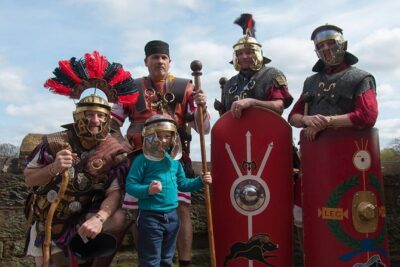
Fascinating Walking Tours Of Roman Chester With An Authentic Roman Soldier
Read our review →
Admission Ticket to Sick To Death in Chester
Read our review →
Fun, Flexible Treasure Hunt Around Chester with Cryptic Clues & Hidden Gems
Read our review →

Chester Food Tour: Unique Food With Drinks & Sightseeing
Read our review →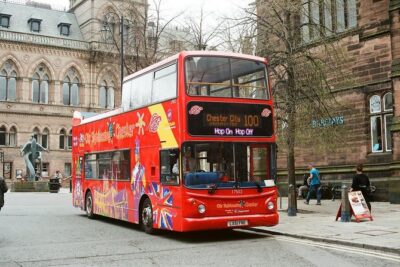
City Sightseeing Chester Hop-On Hop-Off Bus Tour
Read our review →
North Wales Adventure – Sightseeing Day Trip Tour
Read our review →
The Heart of Chester Walking Tour – Guided Walk
Read our review →Browse the lists this tour appears in