
Reviewed · WALKING TOURS
Dark Chester – Let’s take a walk on the dark side
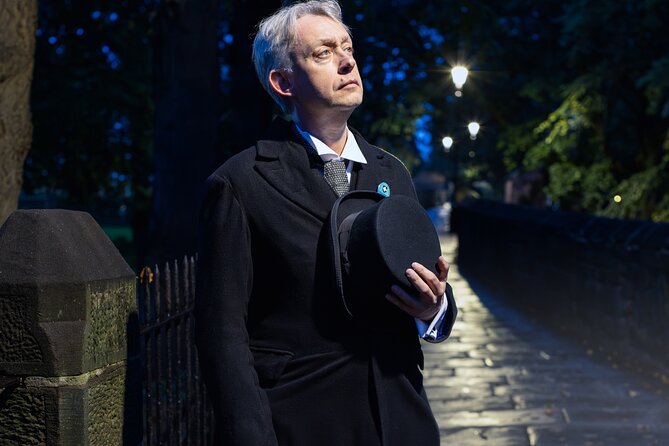
Chester gets stranger after dusk. Dark Chester is a 90-minute walking tour that flips familiar streets into stories of superstition, crime, and the supernatural, with stops built around Chester Cathedral, Roman remains, and pub blue plaques. You start at 5:30 pm at the Chester Visitor Information Centre and follow the guide from point to point with a mobile ticket in English.
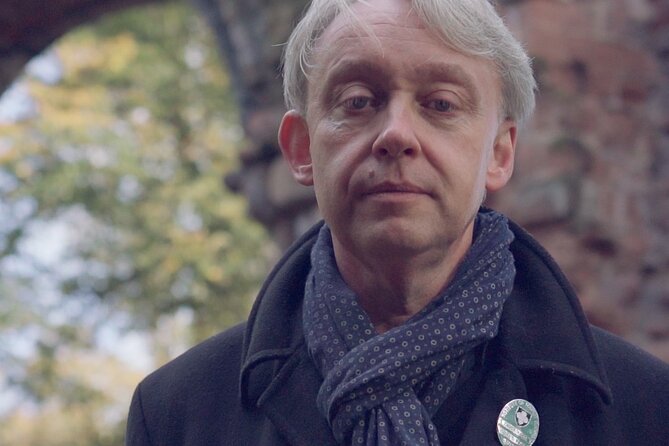
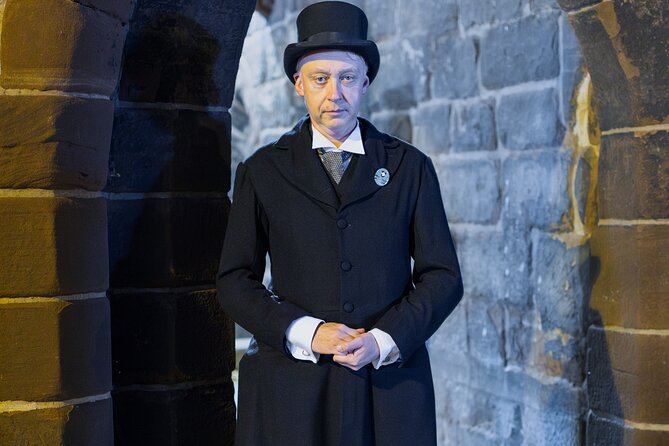
I especially like two things about this tour. First, the narration from David keeps the town from feeling like a checklist, he ties each location to a specific theme like punishment along the River Dee. Second, most stops come with admission tickets that are free, so you are not paying again and again just to stand in the right place.
The one consideration is physical pace. It is a public group walk, so you will need enough mobility to keep with the group for roughly 90 minutes, and the walking may feel like a lot for elder seniors or younger children.
In This Review
- Key highlights worth showing up for
- 5:30 pm start at Chester Visitor Information Centre, and how the tour feels
- Chester Cathedral: 1,000-year-old spiritual roots and the superstitions that grew there
- Eastgate and the Eastgate Clock: the Victorian symbol with a darker side
- Chester Roman Amphitheatre: gladiator violence in the middle of town
- St John the Baptist’s Church: one of Chester’s big mysteries
- The Anchorite Cell by the River Dee: solitude made into a story
- The Bandstand story on the Dee: crime and punishment along the water
- Blue plaques at The Bear and Billet and Ye Olde Kings Head: ghosts and paranormal spaces
- Sick to Death: plague and pandemic tales (ticket not included)
- Price and value: what $20.37 buys you in Chester
- Who should book Dark Chester, and who should skip it
- Should you book Dark Chester?
- FAQ
- What time does the Dark Chester tour start?
- How long is the tour?
- Where do we meet for the tour?
- Where does the tour end?
- Is the tour in English?
- Do I need to buy tickets for the stops?
- What is the tour price?
- How big is the group?
- Is the tour wheelchair or mobility friendly?
- Are service animals allowed?
- Do I need good weather?
Key highlights worth showing up for
- David’s story flow connects sites to a darker theme, not just dates and names
- Free admission at most stops means better value for your $20.37 price
- Chester Cathedral to Roman amphitheatre gives you multiple eras in one evening
- Small group cap of 20 helps the guide keep everyone together
- River Dee settings make the crime-and-paranormal parts feel more real
- Sick to Death needs a separate ticket if you want the plague and pandemic stories
5:30 pm start at Chester Visitor Information Centre, and how the tour feels
This tour kicks off at 5:30 pm from the Chester Visitor Information Centre at Town Hall, Northgate St, Chester CH1 2HJ. The timing matters, because the stories are meant for that early evening mood when street lighting and river views start to do their job. The whole experience runs about 1 hour 30 minutes, and it loops back to where you start.
Because it is a public group with a maximum of 20 people, you get that middle ground that I like. It is organized enough that you do not have to figure out routes or chase opening times, but it is not so huge that you feel anonymous. It is also offered in English with an in-person guide, so it is best for anyone comfortable following a spoken story for the whole walk.
If you know you are sensitive to cold or have trouble with walking for 90 minutes, plan for it. This is a walking tour, and each stop is roughly 10 minutes, which keeps things moving but leaves less time for long bathroom breaks or extended photo sessions.
More England on foot, brolly optional:


Chester Cathedral: 1,000-year-old spiritual roots and the superstitions that grew there
The tour’s first stop is Chester Cathedral, where you focus on the origins of a site with around a thousand years of spiritual life. What I like here is that you are not just seeing a big landmark, you are getting the idea that people used to explain fear and uncertainty through belief. The cathedral is framed as a monastic settlement with stories and superstitions that shaped what locals thought was safe, sacred, or dangerous.
In about 10 minutes, you will not become a cathedral expert, but you will get enough context to look past the architecture. After this first stop, the tour’s darker tone clicks into place: the day’s quiet awe turns into a question of what people believed, and why they believed it.
A practical tip, if you want the best experience, is to arrive ready to listen. Early on, the guide sets the tone. If you are distracted by phone scrolling, you will miss the connective thread that the tour keeps returning to.
Eastgate and the Eastgate Clock: the Victorian symbol with a darker side
Next you head to Eastgate and the Eastgate Clock, Chester’s famous Victorian symbol. The story focus here is not the postcard version. Instead, you get the sense that even symbols meant to signal stability can come with darker baggage, the sort of history that makes you look at a familiar clock tower and wonder what else it has witnessed.
This is one of those stops where the outdoor setting helps. You hear the story, then you look around at the street corners and think about how people moved through that area. It is short, but it changes the way you see the building and the surrounding area.
If you like detail, keep your eyes up and your ears tuned. Even a small pause in the right spot can make the guide’s point clearer, especially when the story is about the darker meaning behind a recognizable landmark.
Chester Roman Amphitheatre: gladiator violence in the middle of town
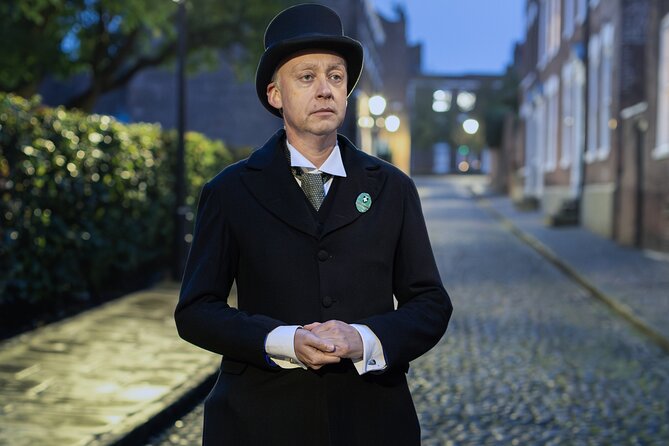
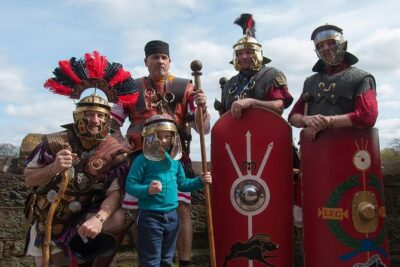
At the Chester Roman Amphitheatre, you step into the heart of Roman Chester. The theme is gladiators fighting, and the point is simple: this city has had entertainment tied to real violence for a very long time.
What I find valuable here is contrast. Early in the tour, you were in a religious setting. Now you are in a place built for spectacle and harsh conflict. That shift helps the darker framing feel consistent, not random.
The stop is brief, about 10 minutes, so you will want to decide what you want to focus on before you arrive. If you are into Roman sites, you will likely spend your time taking in the scale and thinking about how people gathered. If you are more about storytelling, listen for the guide’s explanation of what made this place matter in Roman Chester.
St John the Baptist’s Church: one of Chester’s big mysteries
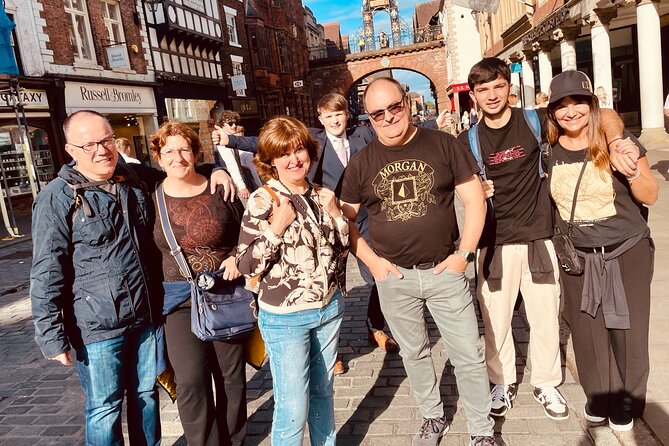
Then you move to St John the Baptist’s Church, presented as home to one of Chester’s great mysteries. A mystery is useful on a tour like this because it keeps you engaged. You are not just absorbing tragedy, you are being asked to think.
I like how this stop balances the tour’s mood. Even when the stories are about frightening things, a church mystery adds curiosity. It makes the walk feel like a chain of questions, not just a list of grim facts.
In a short 10-minute window, you will not leave with every detail solved, and that is the point. The tour works when you enjoy the unresolved feeling, and when you connect it to how people historically explained the world they could not fully control.
Also on in Chester, no fuss
- Admission Ticket to Sick To Death in Chester★ 4.5 · 384 reviews
- Fun, Flexible Treasure Hunt Around Chester with Cryptic Clues & Hidden Gems★ 5.0 · 162 reviews
- Chester Food Tour: Unique Food With Drinks & Sightseeing★ 5.0 · 152 reviews
- City Sightseeing Chester Hop-On Hop-Off Bus Tour★ 4.5 · 147 reviews
The Anchorite Cell by the River Dee: solitude made into a story

One of the most atmospheric stops is the Anchorite Cell, on the banks of the River Dee. This building is presented as mysterious, and the anchorite theme matters because solitude and closeness to spiritual life have long been fertile ground for darker legends.
If you are the kind of person who likes being in the right location for the story, this is where you will get your payoff. The river setting helps the tone, and the guide’s focus on mystery helps the cell feel more than just another stone structure on a city walk.
Try to slow your pace a bit at this stop, even if the schedule is tight. Take a moment to look around the river edge area while you listen. It makes the story easier to visualize, especially when you are hearing how people connected physical places to spiritual experiences.
The Bandstand story on the Dee: crime and punishment along the water
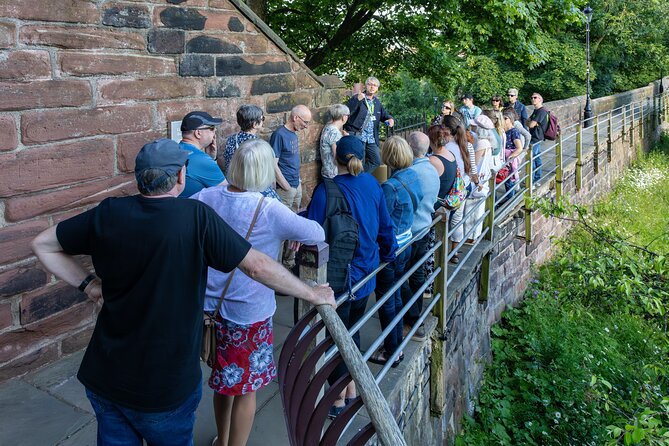
Next is the Bandstand, again on the River Dee, with a story built around crime and punishment. I like this stop because it shifts the tour from superstition and mystery into consequences. It is still “dark,” but it is human-dark, the sort that comes from rules, justice, and fear of what could happen next.
The river adds a subtle realism here. Even if the exact story details are meant to keep the mood spooky, the location makes you think about how people lived alongside the water, and how crime and punishment would shape a community’s sense of safety.
Because the stop is around 10 minutes, focus on the story beats rather than trying to capture everything in one set of photos. If you listen closely, you will leave this section feeling like you understand why these places earned their reputations.
Blue plaques at The Bear and Billet and Ye Olde Kings Head: ghosts and paranormal spaces
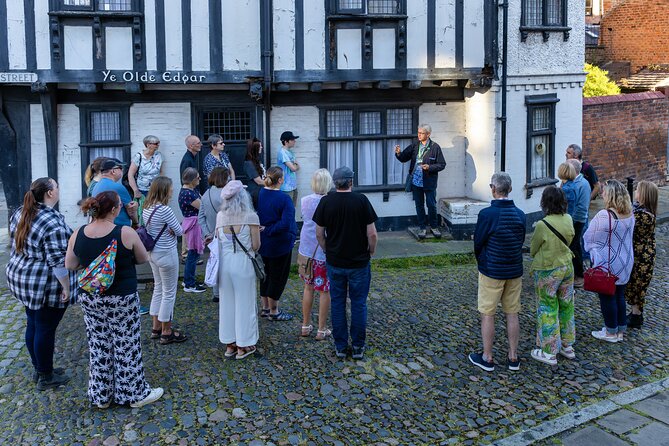
Two of the most fun parts of the walk are the pub stops, both marked by blue plaques.
At The Bear and Billet Pub, the focus is a historic hostelry connected to the ghosts of Chester’s past. This is the kind of location where you get a “you are standing where it happened” vibe, because old pubs are exactly the kind of places where stories travel, repeat, and grow. After the cathedral and Roman amphitheatre, it is refreshing to get a more intimate setting.
Then you visit Ye Olde Kings Head Pub, also tied to a darker angle. In this case, it is described as turned into a dedicated space for paranormal investigation. I like that the tour does not just say ghosts are around, it gives you a setting that connects to the idea of modern people still chasing the same fear and fascination.
These stops are short, about 10 minutes each, but they are often the emotional peak of the tour. If you want to really enjoy them, keep your expectations light and your attention on the guide’s pacing. The stories are meant to be entertaining as well as eerie.
Afterward, if you want to keep the mood going, one of the best ideas I can give is simple: plan a drink nearby while the stories are still fresh. One person who did the walk paired it with a visit to The most Haunted Hotel, and that kind of next-step often makes the whole evening feel like a themed mini-trip.
Sick to Death: plague and pandemic tales (ticket not included)
The final named stop is Sick to Death, a quirky visitor attraction that tells stories of plague and pandemic. This is different from the rest of the tour because the admission ticket is not included, so you should expect to pay separately if you want to experience it.
I think this stop is valuable because it keeps the darker theme grounded in real-world fear. Plague and pandemic stories are not just spooky, they are about survival, panic, and how communities cope when something bigger than anyone can control arrives.
Because you only have about 10 minutes here as part of the walking schedule, go in with the idea that it is a quick, story-driven stop. If you find yourself wanting more, you can always spend extra time on your own afterward, but the tour itself is designed to keep moving.
Price and value: what $20.37 buys you in Chester
At $20.37 per person, this tour is priced like an evening activity, not a full-day museum ticket. The big value driver is that the guide is included, the tour runs about 90 minutes, and admission tickets are free for most stops. That matters because it reduces the usual travel annoyance of paying for entry again and again.
The main cost you might encounter beyond the tour is Sick to Death, where the ticket is not included. Since everything else is free admission based on what you are seeing during the walk, you can budget one possible add-on instead of a chain of fees.
You also get a practical format: mobile ticket, English guide, and a meeting point in the city center that makes it easy to connect to dinner plans. With a small cap of 20 people, it tends to stay manageable.
Who should book Dark Chester, and who should skip it
This tour is ideal if you like history that feels human. You do not need to be an expert on Chester to enjoy it. You just need curiosity about how places gained reputations for fear, belief, and legend.
It also works well for mixed ages, including people coming as part of a multi-generational group. One person highlighted that it worked for ages 8 to 80, which tells me the guide can shape the pacing for a broad audience.
That said, it is a walking tour. If you struggle with steady walking for 90 minutes, or if you are bringing very young children who may not handle the pace, you might find it harder to stay with the group. The tour is public group based, and mobility matters for keeping up.
If you want to go all-in on the theme, you can also look for related materials after the walk. One participant mentioned purchasing a recently published Dark Chester book. If you are the type who likes reading more after a tour, that extra step can make the stories last longer.
Should you book Dark Chester?
Yes, if you want a structured way to see Chester after 5:30 pm and you like your city tours with spooky themes grounded in real places. The combination of David’s story pacing, free admissions at most stops, and the variety of settings from cathedral to Roman amphitheatre to blue-plaque pubs makes it feel like good value, not just a gimmick.
Book with confidence if you can handle a 90-minute walk and you are comfortable sticking with the group schedule. If you cannot, or if you prefer to linger at a single site for a long time, you may be happier with a self-guided evening route instead.
FAQ
What time does the Dark Chester tour start?
The tour start time is 5:30 pm.
How long is the tour?
The tour lasts about 1 hour 30 minutes.
Where do we meet for the tour?
You meet at the Chester Visitor Information Centre, Town Hall, Northgate St, Chester CH1 2HJ, UK.
Where does the tour end?
The tour ends back at the meeting point.
Is the tour in English?
Yes, the tour is offered in English.
Do I need to buy tickets for the stops?
Most stops have admission tickets free as part of the experience, but Sick to Death has an admission ticket that is not included.
What is the tour price?
The price is $20.37 per person.
How big is the group?
The tour has a maximum of 20 travelers.
Is the tour wheelchair or mobility friendly?
It is a walking tour and a public group, so you need a level of mobility to stay with the group. Elder seniors or younger children may find the 90 minutes too tiring.
Are service animals allowed?
Yes, service animals are allowed.
Do I need good weather?
Yes, this experience requires good weather. If it is canceled due to poor weather, you will be offered a different date or a full refund.
Latest to join the queue for Chester




Walking Tours, compared.
Oxford University Walking Tour With University Alumni Guide
Read our review →
Tour for Muggles The Ultimate Harry Potter Walking Tour in London
Read our review →
Cambridge University Walking Tour by Alumni™ Kings College Option
Read our review →
Blackbeard to Banksy – The Ultimate Walking Tour of Bristol
Read our review →
Air Raid Shelter + St. Nicholas Market Walking Tour
Read our review →
Walking Tour of Bath with Blue Badge Tourist Guide
Read our review →
Changing of the Guard Guided Walking Tour in London
Read our review →
Shadows of York: Ghost Walk and Horrible History.
Read our review →Browse the lists this tour appears in