
Reviewed · GUIDED WALKS IN LONDON
West End and South Bank Theatre Walking Tour in London
West End theatre on foot. I love the small-group cap of 12, which keeps the walk from feeling like a school trip, and I love how each stop pairs famous façades with behind-the-scenes stories from Charlie Tantam.
With this route, you are not just looking at iconic venues, you are learning what made them matter and how London’s theatre world shaped itself over time.
At 3 hours 30 minutes to nearly 4 hours, it is a proper walk, so plan for comfortable shoes and a steady pace. If you get worn out easily, this will feel like a lot of stops in one go.
In This Review
- Key highlights worth your time
- Why this London theatre walking tour feels different
- Meeting at Oscar Wilde Statue and planning your 10:30 am start
- West End powerhouses, from London Coliseum to His Majesty’s Theatre
- Shaftesbury Avenue and the theatre street you can’t ignore
- The smaller stages: Pinter, Mousetrap, and The Arts Theatre
- Covent Garden and the Royal Opera House side quest
- Fortune Theatre, Drury Lane, and Lyceum’s iconic pull
- National Theatre and Shakespeare’s Globe, the walk’s satisfying finale
- Price and value: what $38.39 buys you in real terms
- Who should book this West End and South Bank theatre walk
- Should you book this West End and South Bank theatre walking tour?
- FAQ
- What is the price of the West End and South Bank Theatre Walking Tour?
- How long is the tour?
- How large is the group?
- When does the tour start, and where do I meet?
- What is the tour language?
- Is it mostly walkable, and is there a fitness requirement?
- Are admission tickets included at each stop?
- What about weather and refunds?
Key highlights worth your time
- Small group, real conversation: capped at 12 travelers, so questions do not get lost in the crowd.
- Charlie Tantam’s stop-by-stop storytelling: you get context, not just place names.
- 25 theatre landmarks across the West End and South Bank: a long, efficient route.
- Classic venues plus today’s megahits: you will see where legends premiered and where current shows run.
- Free admission is common, one notable exception: most stops are listed as free, but Palace Theatre notes admission not included.
- Ends at Shakespeare’s Globe: you finish at a legendary location instead of back at the start.
Why this London theatre walking tour feels different
London’s West End can look like a wall of bright posters if you only skim it. This tour gives you the other layer: the buildings, the rivalries, the debuts, and the odd little facts that make the street feel like a living playbill.
I like that the format stays practical. You get a long walking circuit, but each stop stays short and focused, usually around 5 to 10 minutes. That keeps the pace from dragging, and it also means you are constantly repositioning yourself to see the next venue clearly.
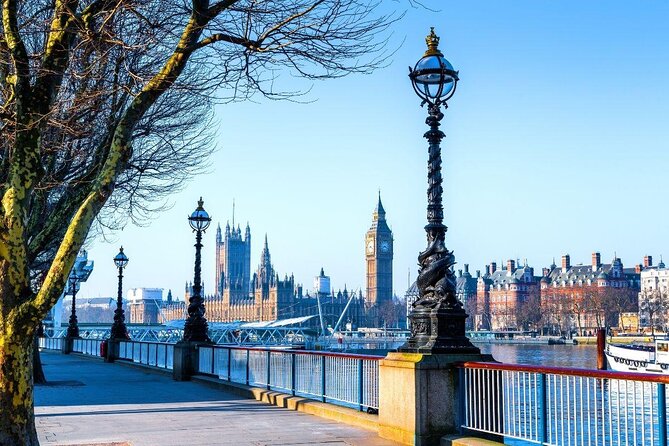
The other big reason it works is that the tour spans two theatre zones. You start in the heart of the West End, where the big marques and major productions are clustered. Then you keep going to the South Bank side, including the National Theatre and a finale at Shakespeare’s Globe. By the end, you have a better mental map of how London’s theatre geography connects.
More Guided Walks in London
Meeting at Oscar Wilde Statue and planning your 10:30 am start
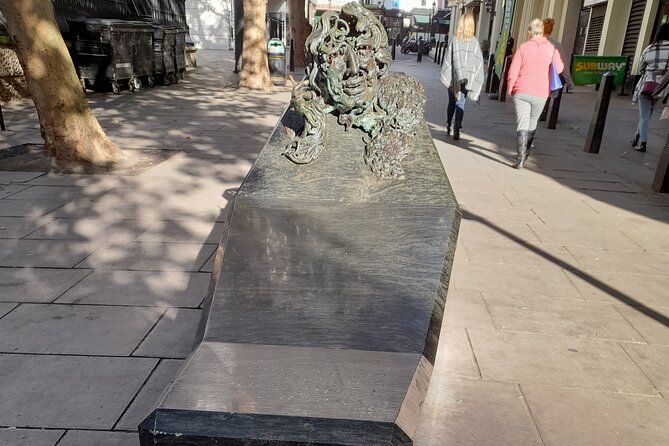
The tour begins at the Oscar Wilde Statue on Adelaide Street, 3 Adelaide St, London WC2N 4HZ. Start time is 10:30 am.
I like this meeting point for two reasons. First, it is easy to orient yourself around a real landmark, not some vague back door. Second, the route is clearly designed for transit-friendly linking, and the end point near Shakespeare’s Globe sits close to London Bridge and Blackfriars for getting away after the walk.
You should show up with a plan for the kind of day this is. It is outdoors for the majority, and the tour notes that it requires good weather. So if London skies look suspicious, bring layers and be ready to move even if the pace feels brisk.
Also, you are covering a lot of ground for one morning block. The tour is fine for travelers with moderate physical fitness, but it is still a walking tour, not a ride-along.
West End powerhouses, from London Coliseum to His Majesty’s Theatre
The early part of the walk is built around major venues that make the West End feel like a serious theatrical district. You begin with London Coliseum, described as the largest theatre in the West End. Even if you only see the exterior from the sidewalk, the stories are set up to help you understand why it became such a heavyweight.
Next comes the Duke of York Theatre, tied to notable debuts on this West End stage, including Peter Pan. This is the kind of stop that works well early in the tour, because it trains you to look for clues about what a theatre is known for, not just what it looks like today.
At Noel Coward Theatre, the highlight is a quirky, memorable fact: it is described as the only theatre where two significant theatre giants ever shared a stage. That kind of detail makes a short stop feel meaningful, because you are not just learning trivia, you are learning what makes one venue different from another.
Wyndham’s Theatre adds another signature detail, a bust of Shakespeare on the front, noted as the only one in the West End. That is a great moment to pause and compare how theatres use their public faces to signal identity.
Then the tour pivots toward the theatre district’s rhythm and ticket culture. Leicester Square gets a stop because it is tied to a discount ticket booth, plus old music hall connections like The Alhambra and The Empire. If you like to plan show nights smartly, this is a useful lesson in how the area has long served the bargain-hunter.
The walk continues to Haymarket Theatre Royal, with ties to Sir Ian McKellen and Dame Judi Dench, and a mention of a haunting rumour. Whether you buy into ghost stories or treat them as part of theatre folklore, it helps you connect the building to the human stories that collect around stage life.
His Majesty’s Theatre is another anchor stop. It is called the second oldest active theatre site in London, and it is linked to The Phantom of the Opera as the second-longest running musical. This is where the tour starts making you think beyond one production, and toward how long-running shows change a neighbourhood’s identity.
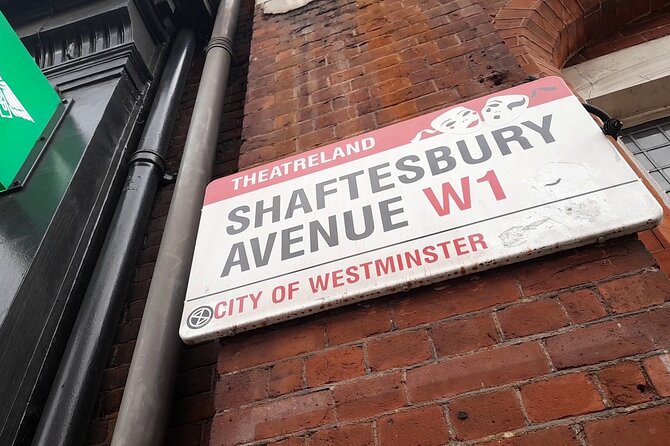
Shaftesbury Avenue and the theatre street you can’t ignore
One of my favourite segments is when the tour focuses on the streets themselves. Shaftesbury Avenue is highlighted as the road with more theatres than any other, and it becomes a visual checklist of venues tied to names like the Lyric, Apollo, Gielgud, Sondheim, and the Palace.
This is a good place to keep your eyes up. The architecture changes quickly block to block, and the tour’s storytelling pushes you to notice how a dense theatre street builds a self-reinforcing culture. You walk past enough stages that theatre energy starts to feel like part of everyday life.
The Lyric Theatre comes next as the oldest surviving theatre on Shaftesbury Avenue. The tour also notes a tragic death of a British comedy icon there. That’s a reminder that theatres are not only about glamour. They are also workplaces, with real lives and real consequences.
Apollo Theatre is described as the first Edwardian Theatre, opening in 1901, and it is also linked to a truly legendary production. Even with only a brief stop, the point is clear: this street has shifted with the times, but it has kept producing landmark eras.
At Gielgud Theatre, the tour notes it is now named after Sir John, and it is associated with West End debuts including Harry Potter. That line is playful, but it still points to the theme of the tour: famous performers and famous stories keep flowing through the same addresses.
The Sondheim Theatre stop ties into Les Miserables, described as the world’s longest-running musical, plus famous faces who debuted there in the 80s. This helps you see how megahit musicals are not just events, they are chapters that theatres carry for decades.
Then comes Palace Theatre, home to Harry Potter and the Cursed Child. The stop also covers the origin of the phrase bring the house down. One practical note: this stop lists admission as not included. That means if you were hoping for an entry inside, you may need to plan separately, so keep expectations tied to what is included in the walking portion.
The smaller stages: Pinter, Mousetrap, and The Arts Theatre
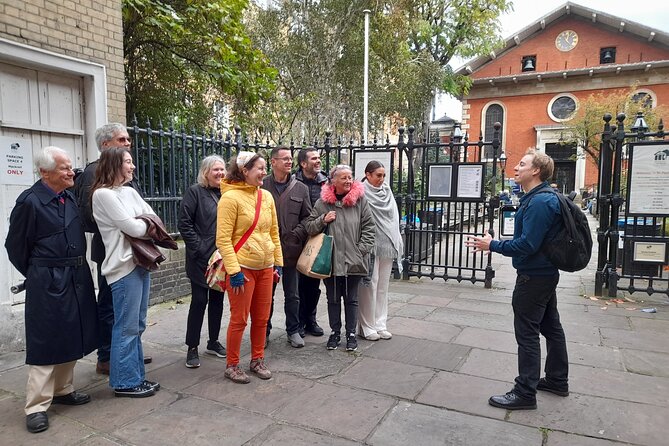
Not every great theatre looks like a monument from the street. One of the strengths of this tour is that it makes room for the smaller and older venues that shape the West End’s character.
Harold Pinter Theatre opens the “older playhouse” conversation. It is said to have opened in 1881, described as one of the oldest playhouses in the West End, with notable sensation-causing stars including Marilyn Monroe. This is the kind of stop that nudges you to ask, why did audiences flock to this stage, and how did it fit into London’s changing tastes?
Prince of Wales Theatre shifts to comedy and spectacle. It is now home to The Book of Mormon, and the tour points out its history of comedy and musical spectacles. It also name-checks major celebrity appearances like The Beatles, Peter Sellers, and Barbara Streisand. That mix of comedy, music, and star power is one of the reasons the West End never loses relevance.
Ambassadors Theatre is another interesting contrast: unremarkable on the outside, but rich in theatre history. It mentions debuts by Vivien Leigh and Paul Robeson. I like this stop because it teaches you a habit. When you see a theatre frontage that looks plain, treat it like a cue to ask what might be inside the story.
St. Martins Theatre is a must for serious theatre fans because it is home to The Mousetrap, called the world’s longest-running play. A long-run play is a unique kind of cultural marker. It means the theatre survived trends, shifted casting eras, and kept finding audience loyalty. This stop turns that idea into something you can feel when you look at the building.
Then The Arts Theatre appears as the West End’s smallest theatre, tied to a mention of a once-controversial play. Even if you do not know the full context, you get the point: the West End is not only about safe choices. It is also where risk and argument have found stages.
More England on foot, brolly optional:
- Westminster Guided Walking Tour with Abbey Entry★ 5.0 · 1,282 reviews
- Walking Tour of London Westminster Abbey, Big Ben, Buckingham★ 4.5 · 1,213 reviews
- London West End Musical Silent Disco Walking Tour Top 1% Rated★ 5.0 · 1,057 reviews
- Westminster 3 Hour Walking Tour and Visit of Churchill War Rooms★ 5.0 · 967 reviews
Covent Garden and the Royal Opera House side quest
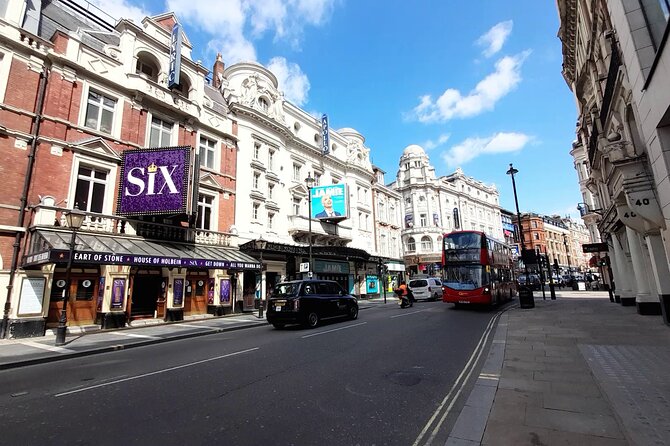
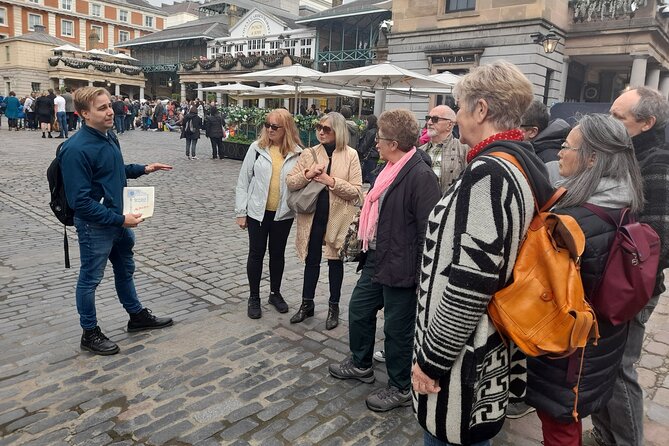
After the dense theatre streets, the tour shifts toward Covent Garden, and this is where you get a change of pace and a change of mood. Covent Garden is noted for the legendary market, street theatre spots, and even London’s official Actors Church. You also get two of the oldest theatre sites in London called out as part of this stop.
This is a useful moment if you want a “theatre plus” day. You can grab a snack, people-watch, and keep the theatre theme while letting the area’s street energy loosen your feet a bit.
Next up, Royal Opera House is one of the oldest theatre spots in London, estimated at 1732. It is now home to the Royal Opera and the Royal Ballet. The tour’s value here is simple: it broadens your idea of theatre. West End usually means musicals and plays. This stop reminds you that London’s performance life has bigger roots across centuries and across genres.
Fortune Theatre, Drury Lane, and Lyceum’s iconic pull
The Fortune Theatre stop focuses on The Woman in Black, described as the longest-running horror play ever, with spooky stories connected to its 30+ year history. If you like stories that feel theatrical even offstage, this stop does that well.
Then Theatre Royal Drury Lane arrives as the oldest active theatre spot in the West End. It is framed around legends who made their names there. That matters, because Drury Lane is one of those addresses that helps you understand why theatre in London has always been a magnet for talent.
The Lyceum Theatre stop is tied to two ideas: a current powerhouse and a deeper origin story. The Lion King has been running there since 1999 and is called a hot ticket, and the tour also mentions Victorian leading actors Sir Henry Irving and Dame Ellen Terry. It adds that the Lyceum connects to the genesis of a famous gothic horror creation. Even with only a few minutes, the stop plants a mental flag: this is where culture and creative myth overlap.
National Theatre and Shakespeare’s Globe, the walk’s satisfying finale
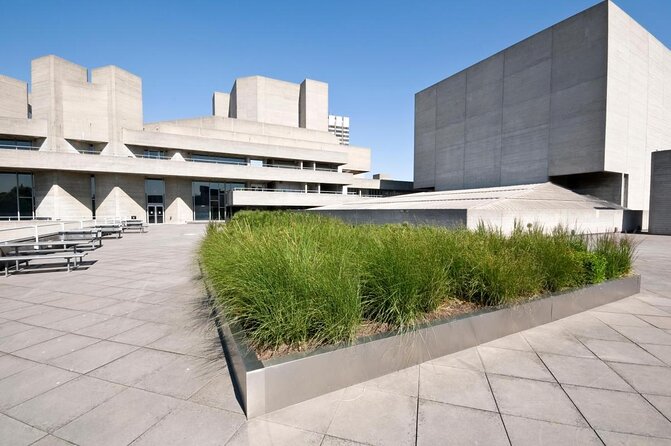
By the time you reach the National Theatre, you are crossing into a part of the story where theatre feels more public-facing, more civic. The tour covers the National’s history, with a note that Laurence Olivier, who is described as the founder of the National, stated the opposite. That kind of line is a reminder that theatre institutions are built through debate, not just ambition.
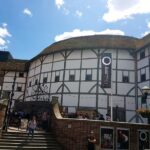
Finally, the walk ends at Shakespeare’s Globe, at 21 New Globe Walk, London SE1 9DT. The stop highlights the reconstruction of Shakespeare’s Globe and mentions a final top-secret theatre location.
I love ending here because it gives you a sense of closure. You have moved from West End showhouses, through opera and long-running plays, and then you finish at a place built to honor theatre’s origins in England. It also gives you a strong “second half” option, if you want to keep exploring on your own after the tour.
Price and value: what $38.39 buys you in real terms
At $38.39 per person for about 3 hours 30 minutes, this is priced like a mid-range guided walk. The real question is value, and it comes down to three things you get from the tour format.
First, you cover a lot of major venues in one circuit. The stops include everything from the London Coliseum and His Majesty’s Theatre to Palace Theatre, St. Martins, Covent Garden, the Royal Opera House, Drury Lane, and the National Theatre.
Second, most stops are listed with admission tickets that are free as part of the experience. That makes the tour feel less like a sightseeing loop and more like a series of quick, guided visits.
Third, the small-group cap of 12 changes how the tour lands. You are more likely to get specific answers, and the guide can keep the pacing tight without herding.
The one caution on value is that you are not seeing a show performance during the tour. You are seeing the stage world around you, learning the background, and finishing with theatre icons. If your goal is seats and curtain-up, you will want to pair this with a separate ticketed performance.
Who should book this West End and South Bank theatre walk
This tour is a great fit if you:
- love theatre and want the London context, not just a checklist of names
- enjoy stories about debuts, long runs, and why specific venues mattered
- want a small-group experience capped at 12, so the guide can actually work the room
- are comfortable walking for close to half a day
It is less ideal if:
- you hate long walks or need frequent rest stops
- you mainly want indoor museum-style time, because this is outdoor and street-based
- you are only interested in one modern show, since the route covers classics, institutions, and stage history across eras
Should you book this West End and South Bank theatre walking tour?
Yes, if you want a theatre-focused day that feels organized, story-driven, and efficient. The combination of a small group, Charlie Tantam’s stop-by-stop commentary, and the sheer number of major venues makes it a strong option for London theatre lovers.
If you do book, bring your best “walking brain.” Pay attention to what the guide says about each venue’s identity, not just its name. You will walk away with a better sense of how the West End works today, and why it keeps producing debuts and legends in the same places year after year.
FAQ
What is the price of the West End and South Bank Theatre Walking Tour?
The tour costs $38.39 per person.
How long is the tour?
The duration is about 3 hours 30 minutes.
How large is the group?
The group is capped at 12 travelers.
When does the tour start, and where do I meet?
It starts at 10:30 am. The meeting point is the Oscar Wilde Statue, 3 Adelaide St, London WC2N 4HZ.
What is the tour language?
The tour is offered in English.
Is it mostly walkable, and is there a fitness requirement?
It is designed for travelers with a moderate physical fitness level.
Are admission tickets included at each stop?
Most stops are listed as admission ticket free, but Palace Theatre specifically notes admission ticket not included.
What about weather and refunds?
The tour requires good weather. If it is canceled due to poor weather, you will be offered a different date or a full refund.
Latest to join the queue for London


Guided Walks in London, compared.
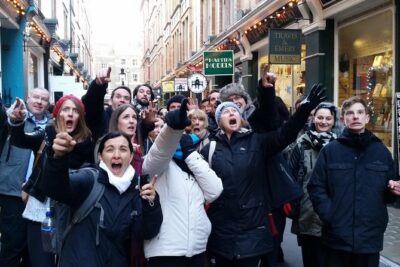
Tour for Muggles The Ultimate Harry Potter Walking Tour in London
Read our review →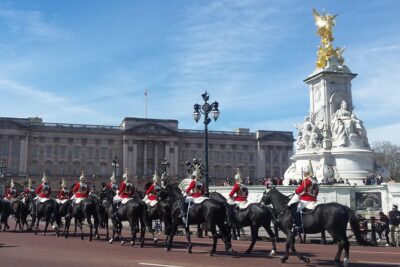
Changing of the Guard Guided Walking Tour in London
Read our review →
The Great British Rock and Roll Walking Tour
Read our review →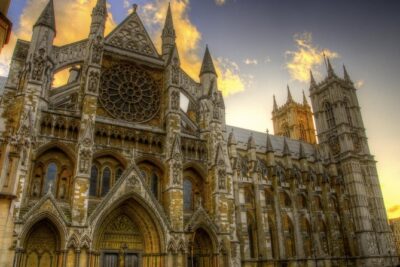
Westminster Guided Walking Tour with Abbey Entry
Read our review →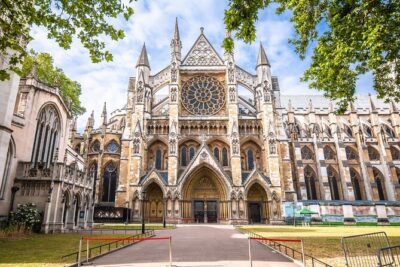
Walking Tour of London Westminster Abbey, Big Ben, Buckingham
Read our review →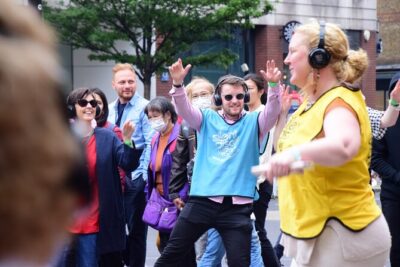
London West End Musical Silent Disco Walking Tour Top 1% Rated
Read our review →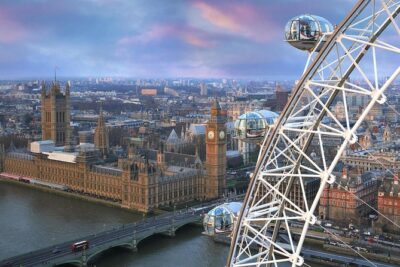
Westminster 3 Hour Walking Tour and Visit of Churchill War Rooms
Read our review →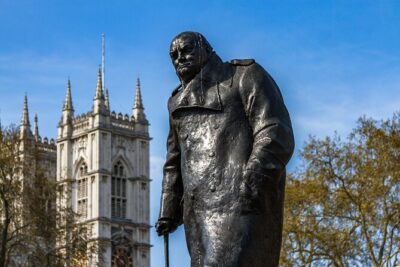
WW2 London Walking Tour & Churchill War Rooms Entrance Ticket
Read our review →Browse the lists this tour appears in