
Reviewed · PHOTOGRAPHY SESSIONS
Ultimate introduction to photography in Central London
A great camera course beats random YouTube lessons. This 5.5-hour Central London workshop teaches the real basics of ISO and exposure, with hands-on photo practice at iconic sites. I especially like the in-the-field approach and the fact you’re not just chasing views, you’re learning how to see a shot before you lift the camera.
Two things I like a lot: you get clear, practical instruction on how aperture, shutter speed, and ISO work together, and you finish with a proper low-light set of opportunities as the city shifts from sunset to night. One consideration: it depends on weather, and you’ll be walking at a moderate pace through several photo stops.
In This Review
- Key things to know before you go
- Meet Matt and get your camera into the right mindset
- London Eye: framing a famous view while learning exposure basics
- Leake Street Arches and Waterloo graffiti tunnels: texture, contrast, and focus choices
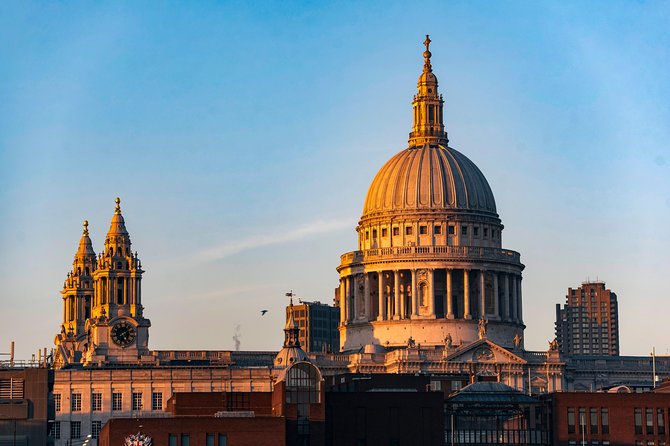
- St. Paul’s Cathedral: clean geometry and better composition habits
- South Bank skate park: storytelling and creativity as light changes
- Sunset, blue hour, and night on the Thames: putting slow light into practice
- What the small group size changes for you
- How to get the most from the workshop (even if you’re brand-new)
- Price and value for a 5.5-hour hands-on London photo lesson
- Who should book this workshop
- Should you book it? My honest take
- FAQ
- How long is the photography workshop?
- What is the group size for the workshop?
- Is the workshop offered in English?
- Where do you meet, and does it end there too?
- Is good weather required?
- Are service animals allowed?
- Can I cancel for a refund?
Key things to know before you go
- Small group size (max 8) means you can actually ask questions and get hands-on coaching
- Exposure fundamentals in real locations like the London Eye and St. Paul’s Cathedral
- Slow shutter speed practice for motion effects and creative storytelling
- Leake Street Arches and Waterloo Graffiti tunnels offer dramatic texture and lighting
- Thames sunset to blue hour or night shooting gives you a natural progression of light
- Matt’s teaching style is patient and practical, with tips you can keep using after the workshop
Meet Matt and get your camera into the right mindset
The session is run by Matthew Williams-Ellis (most people call him Matt), and the vibe is simple: learn what matters, then go out and test it fast. You start at Starbucks Coffee on Belvedere Rd in SE1 7GQ, and the tour ends back at the meeting point.
Right away, the workshop frames photography as a process. Not just taking pictures. You learn to plan, notice, and adjust while you’re shooting. That matters because most beginners freeze at the wrong moment. They see something cool, then their camera settings turn it into a blurry, dark, or flat image. The course trains you to avoid that loop.
You’ll also get a quick setup lesson so you’re not wandering around still hunting for buttons. The goal is confidence: knowing what settings do, and feeling comfortable changing them.
Also on in London, no fuss
London Eye: framing a famous view while learning exposure basics
Stop one is the London Eye, and that’s a smart start. It gives you an easy subject that most people recognize instantly, so you can focus on technique instead of geography.
This is where you’ll practice the fundamentals: shooting modes, focusing, and the way the “big three” interact:
- ISO controls sensitivity, but pushes noise up when you raise it
- shutter speed controls motion blur and how long the camera gathers light
- aperture controls depth of field, letting you blur backgrounds or keep more sharp
Even if you arrived thinking your camera is just a box of menus, you’ll start building the cause-and-effect link in your head. You learn how changing one setting forces trade-offs in the others, which is the real doorway to better photos.
A practical benefit here: the London Eye area has both bright tones and strong contrast. That lets you see what happens when the exposure is too dark or blown out. You’re learning on a stage that teaches you quickly.
Leake Street Arches and Waterloo graffiti tunnels: texture, contrast, and focus choices
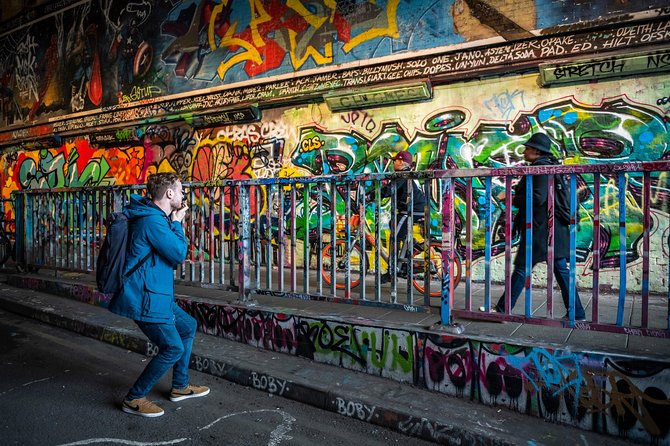
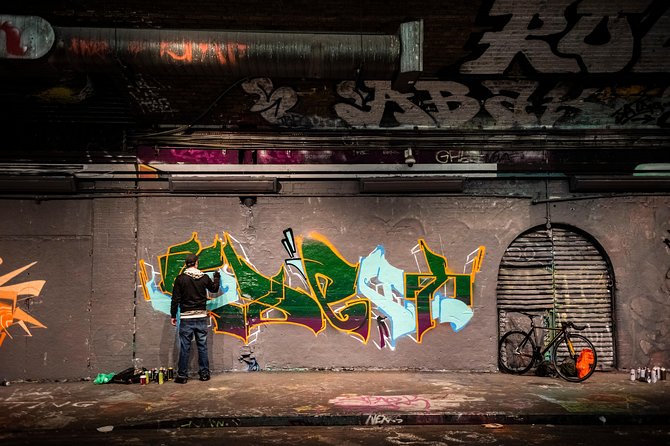
Next you head to Leake Street Arches, tied to the Waterloo Graffiti tunnels feel. This stop is where photography becomes less about monuments and more about mood.
Under arches and in tunnel-like spaces, the lighting can be tricky. You often have bright edges with darker interiors, plus colored surfaces that can trick your camera’s automatic modes. That’s exactly why this stop is valuable for a beginner workshop. You’ll start learning when to stop letting the camera decide and start directing it.
You’ll work on:
- getting consistent focus on subjects that don’t sit still
- choosing settings that handle mixed light
- composing images that use lines, walls, and repeating shapes
In these areas, composition is not an abstract concept. It’s practical. You learn to position yourself so the frame has leading lines and a clear visual path, instead of just documenting a wall. That’s part of the course’s big theme: you’re building images, not just collecting them.
St. Paul’s Cathedral: clean geometry and better composition habits
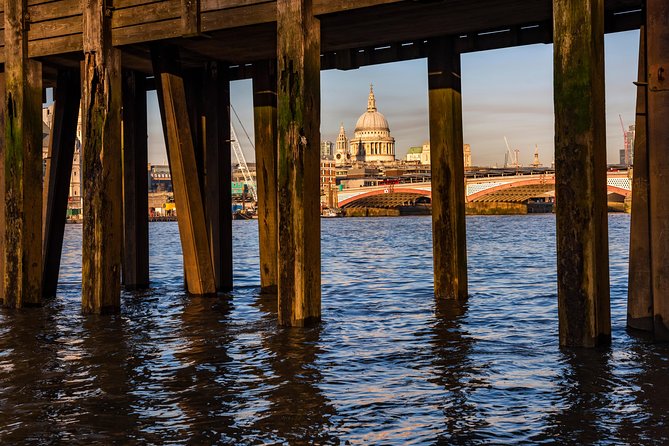
Stop three is St. Paul’s Cathedral, and it’s a perfect contrast to the darker tunnel stop. Here you get stronger daylight and big architectural shapes.
This is a key moment for building habits. When buildings dominate the frame, it’s easy to end up with tilt, awkward angles, or the subject too small to matter. The workshop pushes you to look for composition choices like:
- how to anchor the main subject
- where to place the horizon or vertical lines
- how to use framing to make the image feel intentional
You’ll also get more practice with basic exposure settings so you’re not treating each stop as a brand-new learning experience. The cathedral phase helps you reuse what you learned earlier, then refine it.
South Bank skate park: storytelling and creativity as light changes
As the day continues, you move into the South Bank skate park area, where energy and motion are built in. This is where photography becomes fun in a different way. Instead of waiting for the perfect moment, you learn to anticipate.
The workshop uses this area to teach you how to control motion. You’ll start experimenting with slow shutter speeds, which can turn skate action into streaks or show motion trails while keeping the feeling of movement. That’s not just a camera trick. It’s storytelling, because it changes what the viewer feels.
You’ll also talk about composition ideas while you shoot, which helps you avoid the common beginner pattern of aiming first, then thinking later. If you want pictures that look like they belong to you, not to “generic London postcard mode,” this is the practical training section.
While the kettle’s on in London:
- Stonehenge, Windsor Castle, and Bath from London★ 4.5 · 18,662 reviews
- London Big Bus Hop-On Hop-Off Tour with Optional River Cruise★ 3.5 · 10,803 reviews
- London Small Group Tour of Historical Pubs★ 5.0 · 10,422 reviews
- Stonehenge, Windsor Castle and Bath with Pub Lunch in Lacock★ 4.5 · 7,402 reviews
Sunset, blue hour, and night on the Thames: putting slow light into practice
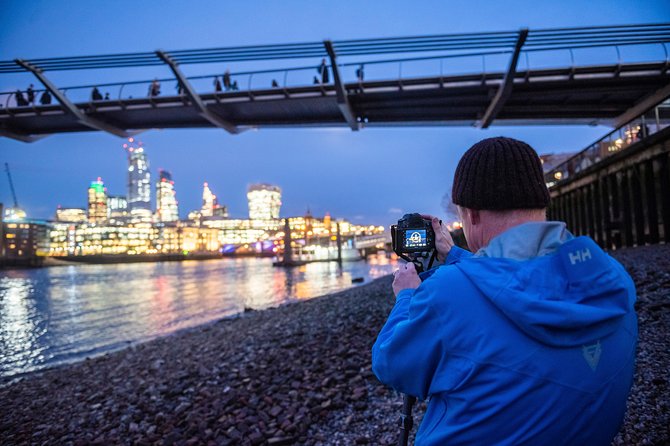
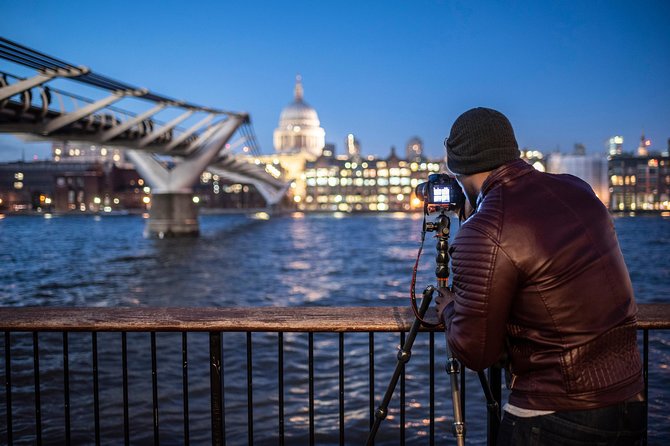
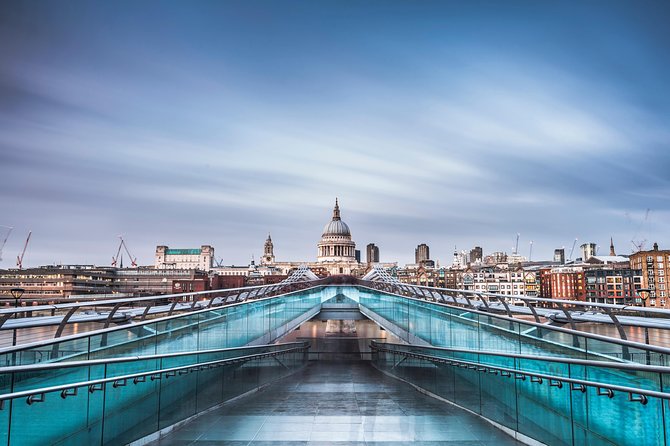
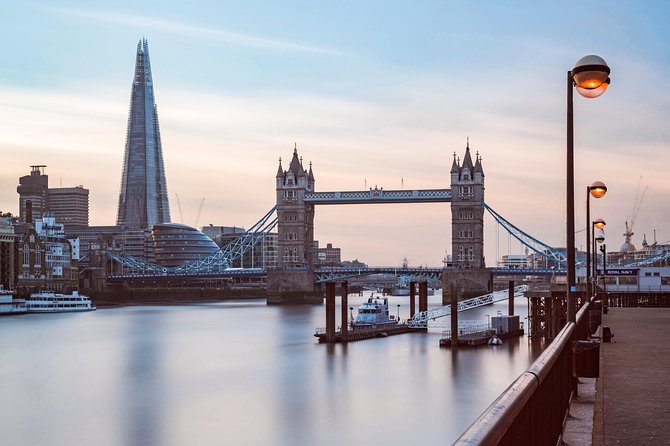
The workshop ends with a riverside sunset session, with options described as a sunset, blue hour, or night shoot over-looking the Thames.
This part is gold for anyone who struggles when daylight disappears. Low light is where many beginners get stuck. The camera either turns up the ISO and gets noisy, or it uses slow shutter speeds and your images blur. The course trains you to make choices instead of panicking.
You’ll practice how to adapt as the light shifts:
- near sunset, you can start balancing shutter speed and aperture to keep the image crisp
- during blue hour, the city looks richer, and exposure decisions become more sensitive
- in night conditions, you learn how to aim for usable shutter speeds and sensible ISO rather than blindly maxing everything
The payoff is that you don’t just take one pretty photo at twilight. You learn how to reproduce the results by understanding the settings behind them. That’s why this workshop works as an “introduction.” It gives you a method you can carry to your next trip.
What the small group size changes for you
A max group of 8 is not just a number. It changes the entire experience.
In a larger group, instruction turns into general advice, and you wait for your turn. Here, you can actually get corrections fast. If your focus is off or your exposure keeps missing, you have time to adjust and immediately re-shoot. That feedback loop is where most learning happens.
Also, you’ll see different skill levels in the group. Some people are learning camera basics from scratch, and some may know more than the basics but not how the settings connect. The coaching style is patient, which matters when you’re trying to understand something that feels technical but is really just logic.
How to get the most from the workshop (even if you’re brand-new)
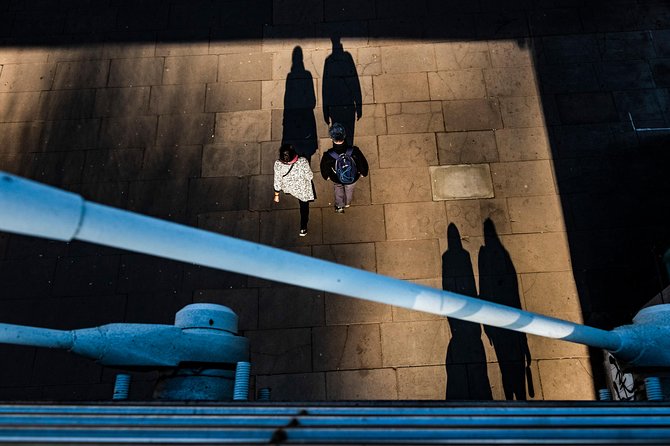
If you want better photos at every stop, do these things during the session:
- Change one setting at a time, then shoot again. This trains your brain to see cause and effect.
- Think about your goal before you take the shot. Depth of field, motion, or mood? Pick one.
- Watch what the instructor corrects in other people’s frames. Learning from quick fixes saves you time.
- Use the riverside ending to test low light settings you struggled with earlier. It’s the best place to check what you actually learned.
One small mindset shift makes everything easier: treat each stop like a mini assignment. The workshop design already moves you from bright to darker scenes, so you’ll be doing exactly what a photo course should do, practice, then practice again.
Price and value for a 5.5-hour hands-on London photo lesson
At $232.25 per person, this is not a cheap activity, but it is also not overpriced for what you’re getting: a guided, small-group learning session across multiple locations, including the trickier parts of photography like low light and motion control.
Here’s why the value makes sense:
- You get instruction tied to multiple real subjects, not just one viewpoint
- You get a structured progression from day shooting to blue hour or night conditions
- With a max of 8, you have more chance of feedback and correction
- You leave with practical settings knowledge for future trips, which beats paying for random photo walks without instruction
If you want a guided photo experience where you actually learn what to do with your camera, this price can feel fair. If you mainly want a relaxed sightseeing stroll with a few photos, you might prefer a lighter option.
Who should book this workshop
This workshop fits best if you want:
- a true beginner path into photography, including ISO, shutter speed, and aperture
- hands-on practice in Central London without guessing your way through settings
- coaching focused on how to create photographs, not just press buttons
- a chance to shoot action and then transition into low light
I think it’s especially good for people who feel stuck on auto mode. It’s also a strong fit for anyone traveling with a DSLR or interchangeable-lens camera, plus anyone who’s comfortable walking moderately between stops.
Should you book it? My honest take
If you’re serious about learning, and you want your photos to improve in a single afternoon, I’d book this. The schedule is built to teach the hard parts in the right order, daylight exposure first, then mixed lighting, then motion, then the Thames at sunset and after.
The biggest reason not to book is weather dependence. If your trip timing is rigid and you’re traveling during a period where you can’t flex dates, keep that in mind. Otherwise, for a small-group, hands-on “learn the camera and the eye” experience in Central London, this is a strong choice.
FAQ
How long is the photography workshop?
It runs for about 5 hours 30 minutes.
What is the group size for the workshop?
The workshop has a maximum group size of 8 travelers.
Is the workshop offered in English?
Yes, it is offered in English.
Where do you meet, and does it end there too?
You start at Starbucks Coffee, Belvedere Rd, London SE1 7GQ, UK, and the activity ends back at the meeting point.
Is good weather required?
Yes, this experience requires good weather. If it is canceled due to poor weather, you will be offered a different date or a full refund.
Are service animals allowed?
Yes, service animals are allowed.
Can I cancel for a refund?
You can cancel for a full refund up to 24 hours in advance of the experience start time. If you cancel less than 24 hours before, the amount you paid will not be refunded.
Latest to join the queue for London


Photography Sessions, compared.
Professional Photoshoot in London Photographer
Read our review →
Private landmarks photoshoot for families and couples
Read our review →
30 Major London Attractions Walking Tour With Photos
Read our review →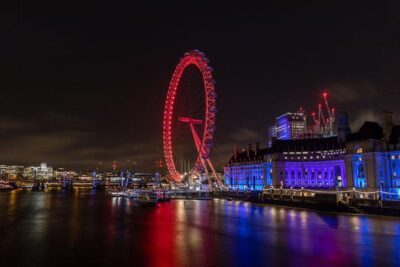
Private Tour: Night Photography Tour in London
Read our review →
Browse the lists this tour appears in