
Reviewed · MUSEUMS
The Tate Modern London – Exclusive Guided Museum Tour
London’s modern art hits different at Tate Modern.
This 2-hour guided visit helps you make sense of big names and big ideas, moving through styles from geometric abstraction to pop art and conceptual shock. I like that the format keeps things personal, especially with a guide who can answer your questions and point out what to notice first. One thing to consider: you’re walking inside a major museum for the full session, and security rules mean you’ll want to travel light.
My favorite part is the way the guide turns famous works into an actual story you can follow, with artists like Mondrian, Picasso, Dali, Monet, Rothko, Warhol, and Duchamp all placed in context. I also love the interactive feel many guides use, like prompting you to think through intention and your own interpretation, rather than giving you a nonstop lecture. A minor drawback is that some museum areas can have quiet or restricted speaking rules, so you may need to shift into a more muted, listen-first mode at certain points.
If you want a confident first visit to Tate Modern, this is a strong way to go, especially with an art expert guide. The experience is built for culture lovers, first-timers, and even curious families, as long as you’re ready to engage at a human pace for two hours.
In This Review
- Key highlights you’ll feel right away
- Why Tate Modern feels different from other London museums
- Getting your bearings fast with a guide like Becky or Matilda
- Mondrian to Picasso and Dali: how the story starts
- Monet and Rothko: reading Impressionism through abstract emotion
- Warhol to Duchamp Fountain: pop shock and conceptual questions
- What makes the 2-hour route worth it
- Price and logistics, without the headache
- Practical tips that make the tour smoother
- Who should book this Tate Modern tour?
- Should you book the Tate Modern exclusive guided tour?
- FAQ
- How long is the Tate Modern guided museum tour?
- Where does the tour start and end?
- Is museum admission included in the price?
- What art and artists are covered during the tour?
- Is the tour wheelchair friendly?
- Do I need a mobile phone number to book?
Key highlights you’ll feel right away
- Small-group or private feel, so your guide can respond to your interests instead of rushing the whole crowd
- Expert-led art connections, moving across decades with clear “why it matters” context
- Iconic works in one route, including Mondrian, Picasso, Monet, Rothko, Warhol, and Duchamp’s Fountain
- Question-friendly visits, with guides encouraging thought and interpretation
- Museum rules you can plan for, including no large bags, plus occasional quiet zones
- Mobile ticket entry, with the tour ending back at Tate Modern
Why Tate Modern feels different from other London museums
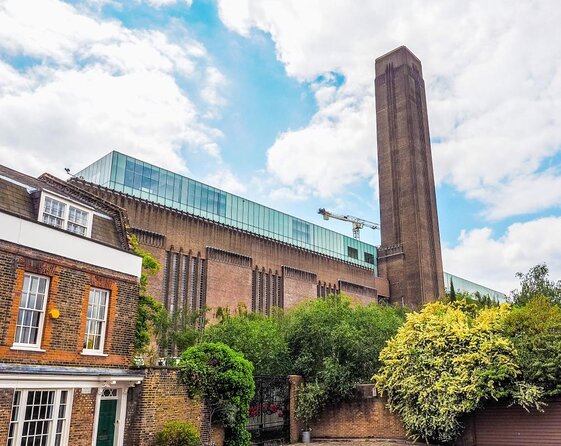
Tate Modern is one of those London stops where the building itself helps set the tone. It’s spacious, industrial in mood, and it gives you room to slow down, look up, and then stand back to see the whole idea behind a work. That matters because modern and contemporary art often feels “intimidating” if you show up with only your own questions.
This tour is designed to reduce that friction fast. Instead of starting with a wall of names, you get a guided route through the museum’s major rooms and a framework for how to interpret what you’re seeing. The result is that you don’t just leave with images in your phone, you leave with a better sense of how styles change over time and why artists were pushing buttons in their era.
And because the session is short, it also helps you avoid the common problem of spending half your visit wandering. You get a focused plan, but you’re still free to ask what you want to know.
More free halls and paid exhibitions:
Getting your bearings fast with a guide like Becky or Matilda
The difference between a self-guided museum hour and a guided two-hour visit is usually one thing: direction. Here, your guide helps you choose where to look first and how to read the signals inside each artwork.
You’ll also see the power of the guide’s personality. Multiple guides highlighted in this experience, like Becky and Matilda, are described as energetic and interactive, with an approach that feels more like conversation than a script. One guide, Ellie, is described as a university-trained art historian, which shows in how she explains background and meaning without making it feel heavy.
Practical note: some rooms inside Tate can have quiet or restricted right to speak. Your guide will explain those rules before you enter, so you know what to expect. That’s a small detail, but it can save you from feeling frustrated when the museum gets unexpectedly silent.
Mondrian to Picasso and Dali: how the story starts
The route begins with modern foundations, and that’s smart. When you start with the earliest major ideas, the later styles land better.
First up are Mondrian’s geometric patterns of color. The guide’s job here is to help you see structure, not just decoration. Once you understand what the artist was after, you stop treating the work like a puzzle with one right answer and start treating it like a controlled emotional system.
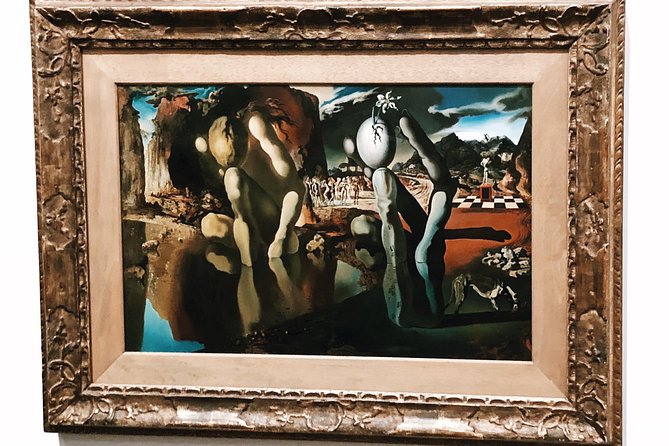
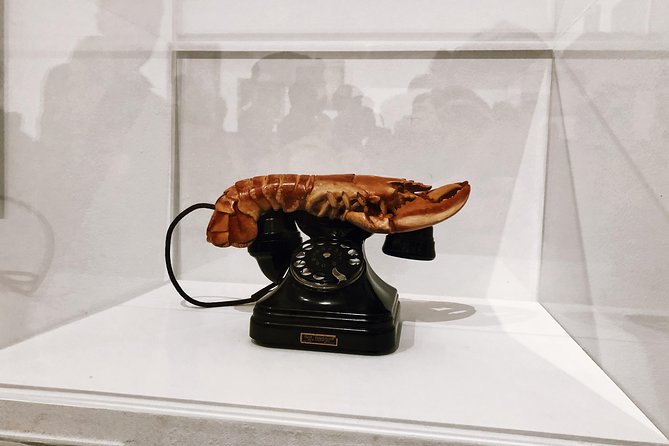
Then the tour shifts into the world of Picasso and Dali, with context tied to the Spanish Civil War period. That historical link matters because these artists weren’t working in a vacuum. A guided explanation can help you spot how trauma, politics, and cultural pressure show up in technique, subject matter, and attitude.
What I like about this portion is that it teaches you how to look at artworks as evidence of their time. Without that, you might assume modern art is random, or that famous artists simply got lucky.
Monet and Rothko: reading Impressionism through abstract emotion
After the early modern anchors, you move into a bridge between recognizable scenes and harder-to-pin-down feelings.
Monet represents the Impressionist side of the spectrum. The guide helps you notice what Impressionism is doing differently, even when the scene looks familiar. It’s not just about painting a moment, it’s about how the artist treats light and perception.
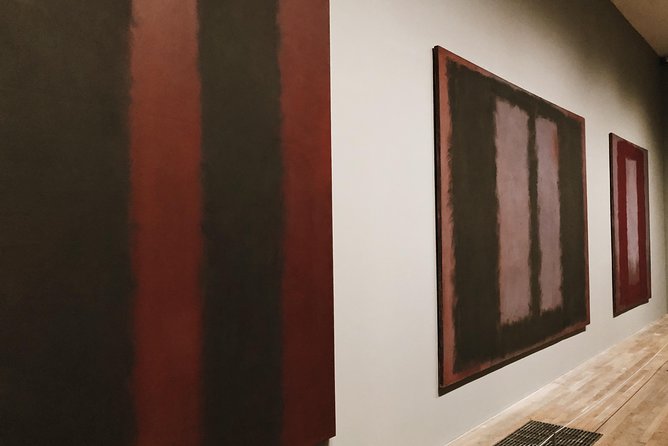
Then you shift to Mark Rothko and the abstract-expressionist side. This is where many people need the most help, because abstraction can feel like it’s asking for a language you don’t have. A strong guide gives you a way in. Instead of telling you what to think, they often steer you toward what to notice in color, scale, and mood.
In tours like this, the quiet trick is that the guide doesn’t only explain what the art is. They also guide you on how to stand in front of it. That turns a quick glance into a slower look, which is where meaning usually appears.
Warhol to Duchamp Fountain: pop shock and conceptual questions
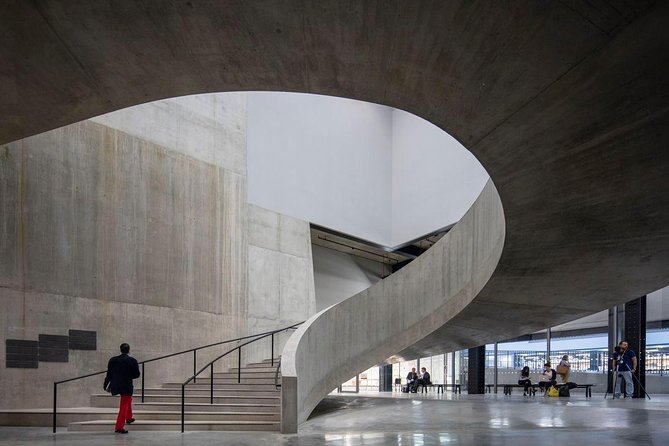
Once you’ve built context for early modern and major abstraction, pop art and conceptual art feel less chaotic.
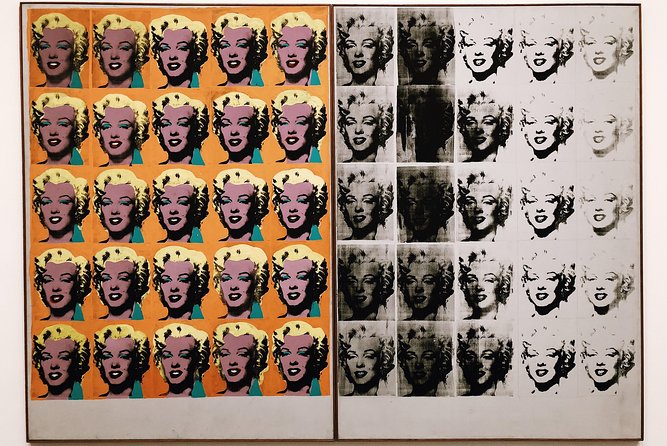
Next comes Andy Warhol, including the pop style associated with celebrity imagery, like faces of Marilyn Monroe and other famous figures. This part helps you see pop art as more than a style. It’s also commentary, sometimes about fame, sometimes about repetition, and sometimes about how society processes images.
Then you end with a moment that always gets people thinking: Duchamp’s Fountain. Standing around Fountain is a bit of a ritual, because the work practically dares you to ask what makes art art.
The tour’s best use of this piece is the way it encourages questions and open-minded discussion. You don’t need a background in art history to participate, because the guide frames the discussion around your reactions as well as historical context.
Also on in London, no fuss
- Stonehenge, Windsor Castle, and Bath from London★ 4.5 · 18,662 reviews
- London Big Bus Hop-On Hop-Off Tour with Optional River Cruise★ 3.5 · 10,803 reviews
- London Small Group Tour of Historical Pubs★ 5.0 · 10,422 reviews
- Stonehenge, Windsor Castle and Bath with Pub Lunch in Lacock★ 4.5 · 7,402 reviews
What makes the 2-hour route worth it
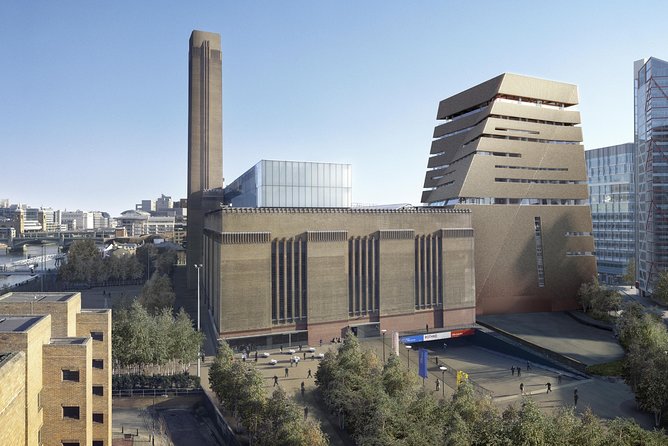
Let’s talk value in plain terms. You’re paying $107.74 per person for an approx. 2-hour guided museum experience. The admission ticket is listed as free, so your money mainly goes to the guide time and the structured route.
That’s the big value math: Tate Modern is a huge museum. With only self-guided time, you either rush past major works or you spend too long in the wrong rooms. A focused route saves you both time and confusion.
And the small-group or private setup can be a real advantage. One write-up specifically mentions a small group of six people, which is the kind of size where you can actually hear your guide and ask follow-up questions without feeling like you’re being squeezed into the background.
Also, the tour is designed to cover dozens of modern and contemporary masterpieces in one session. That’s hard to replicate on your own without already knowing where to go.
Price and logistics, without the headache
For many visitors, the simplest way to handle Tate Modern logistics is to plan your arrival like you would for a flight: be on time, travel light, and don’t assume the museum will run exactly like the map in your head.
A few practical points from the tour info:
- You’ll need a mobile phone number (with country code) for the booking.
- Tate Modern uses security screening. No large bags or suitcases are allowed inside, only handbags or small thin bag packs.
- The tour is near public transportation. If you’re using a car, hotel pickup and drop-off are not included, so I’d plan on Uber or a taxi if needed.
Also, museum conditions can change. Tate Modern and other attractions may close occasionally without warning. If opening is delayed more than 1 hour from the tour start time, the provider says they’ll offer an alternative. In those cases, refunds or discounts aren’t offered, so it’s smart to keep your day flexible.
Practical tips that make the tour smoother
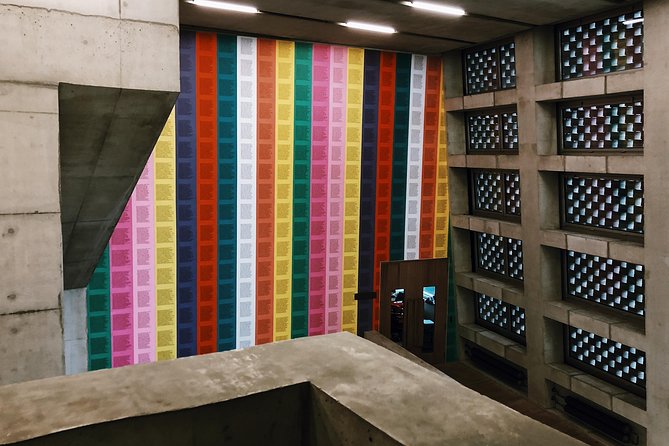
Here’s what will help you enjoy the guided pace without feeling stressed.
Dress for museum entry. The tour notes say appropriate dress is required for entry to some sites, so skip anything that feels too casual or questionable.
Go light on your bag. Tate security can be strict, and large items can slow you down or get rejected. If you’re only bringing a phone, wallet, and a slim layer, you’ll have a much calmer start.
Plan for walking. The experience is described as suitable for travelers with a moderate physical fitness level. That’s not marathon-level walking, but two hours in museum corridors is real movement.
Prepare your questions in advance. The route includes big hitters, but the discussions can turn toward your interpretations. If you know you want to ask about symbolism, politics, or meaning, write two or three questions on your phone before you arrive. It makes the experience feel less random and more yours.
Who should book this Tate Modern tour?
This tour is best for you if you fall into any of these groups:
- You love art but don’t want to guess your way through modern art alone
- You’re short on time and want a high-impact path through major works
- You enjoy conversation and interpretation, not just facts
- You’re bringing teens or family members who need context to stay engaged
It also works well for people who already like modern art and want a tighter narrative thread. The guides mentioned, like Jeremy and Sacha, are described as friendly and engaging and good at giving an overview that sticks.
If you want the guide strictly for your group, pay attention to the option you choose. The info notes that “Tour Guide Exclusively For You” and wheelchair-friendly guidance do not apply if you choose the semi-private option.
Should you book the Tate Modern exclusive guided tour?
Book it if you want the easiest route to understanding big modern art quickly. The price may feel steep until you realize what’s included: a guided museum tour built around a high-value route through major works, with admission listed as free. For many people, that turns into better value than paying for a bunch of unguided time and ending up confused.
Skip it or choose a different format if you already know exactly which rooms you want and you prefer to wander with no structure. Also consider your comfort with museum rules, since there are restrictions on bags and some quiet zones where speaking may be limited.
FAQ
How long is the Tate Modern guided museum tour?
The tour lasts about 2 hours.
Where does the tour start and end?
It starts at Tate Modern, Bankside, London SE1 9TG, UK, and ends back at the meeting point.
Is museum admission included in the price?
The admission ticket is listed as free, and the tour includes the guided museum portion.
What art and artists are covered during the tour?
The tour covers works and themes connected to Mondrian, Picasso and Dali, Monet, Mark Rothko, Andy Warhol, and Duchamp’s Fountain.
Is the tour wheelchair friendly?
Wheelchair friendly is listed as included, but it does not apply if you choose the SAVE! BOOK SEMI-PRIVATE option.
Do I need a mobile phone number to book?
Yes. You must provide a mobile phone number, including country code.
Latest to join the queue for London







Museums, compared.

Tower of London and Crown Jewels Exhibition Ticket
Read our review →

Official tickets: Moco Modern & Contemporary Art Museum
Read our review →
British Museum London Guided Tour Semi-Private 8ppl Max
Read our review →
The British Museum London – Exclusive Guided Museum Tour
Read our review →


Skip the Line: Liverpool Beatles Museum – The perfect tribute to the Beatles
Read our review →Browse the lists this tour appears in