
Reviewed · BUCKINGHAM PALACE & ROYAL LONDON TOURS
The Royal Albert Hall Tour
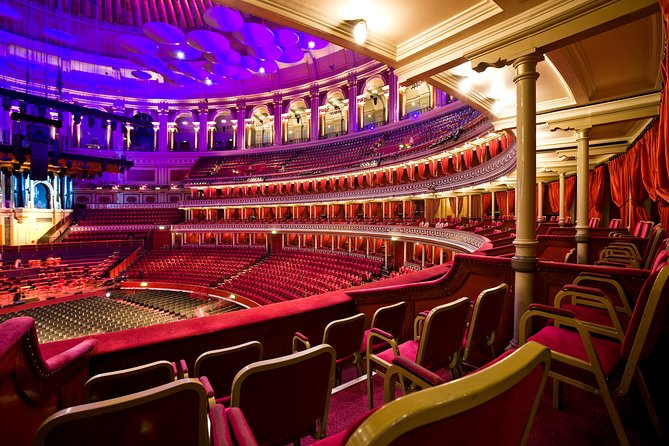
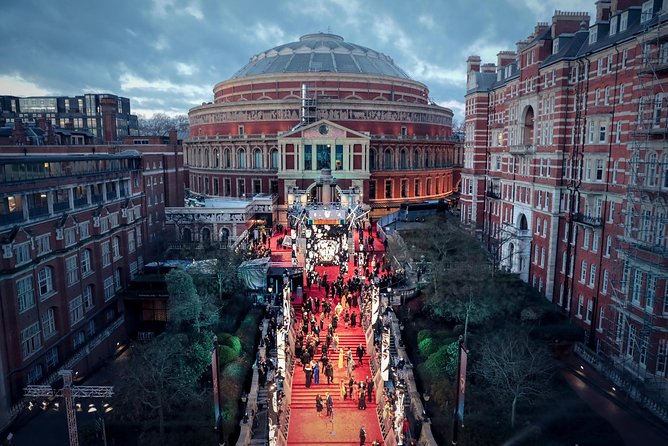
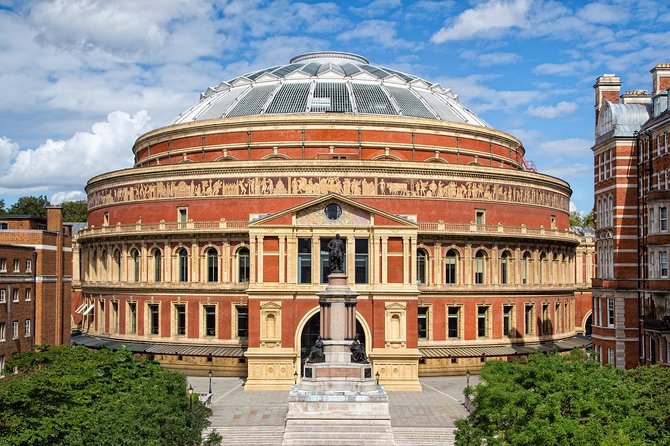
Royal Albert Hall feels like a movie set you can walk into. This guided tour lets you see the auditorium architecture up close, then move into the royal areas where the Hall’s history comes alive with stories behind the big names. You’ll also get a chance to spot rehearsals, sound checks, or musicians setting up if timing is on your side.
I really like the tight 1 hour pacing, because you get the key spaces without turning it into a slog. I also love that the ticket includes the admission, so the value is clear from the start. The one possible drawback: access can be a bit limited in certain moments, and photo rules may change when the stage is active or performers are present.
In This Review
- Key takeaways before you go
- The “one hour” that still makes the Hall feel huge
- Entering the Hall, from auditorium scale to backstage perspective
- Royal access: the Queen’s Box and the Royal Retiring Room
- Rehearsal luck: when sound checks happen during your tour
- The history wall, photos on the route, and what to expect for pictures
- Guides can make or break it, and you might get one of these
- Price and timing: small group value in the heart of London
- Practical comfort tips so you enjoy every minute
- Who should book this Royal Albert Hall tour?
- Should you book the Royal Albert Hall tour?
- FAQ
- How long is the Royal Albert Hall tour?
- What language is the tour offered in?
- Is the guided ticket included in the price?
- What is the group size limit?
- Can I expect to see rehearsals or sound checks?
- Are food and drinks included?
- When should I book to get a good chance of availability?
- How do I get confirmation after booking?
- What is the cancellation policy?
Key takeaways before you go
Small group size (up to 14) keeps the tour lively and easier to hear.
Royal access includes stops in the Queen’s Box and the Royal Retiring Room.
Gallery views are a standout way to take in the hall’s scale.
Rehearsal luck factor can mean sound checks or orchestra setup while you’re inside.
Photo limits may apply depending on where the tour is in relation to rehearsals.
The “one hour” that still makes the Hall feel huge
If you love music venues, this is one of London’s best uses of a half day. You’re going in for about 1 hour, and that matters. The Hall is visually intense, and a shorter format helps you actually absorb it instead of rushing through without noticing details.
The experience focuses on the building itself. You’re not just looking at a stage from afar. You get to walk through the Hall’s main spaces and understand why this place became one of the city’s most recognizable performance venues. Along the way, you’ll hear how it was funded, including a near-miss that nearly stopped it from being built, plus the human stories behind the Hall’s creation.
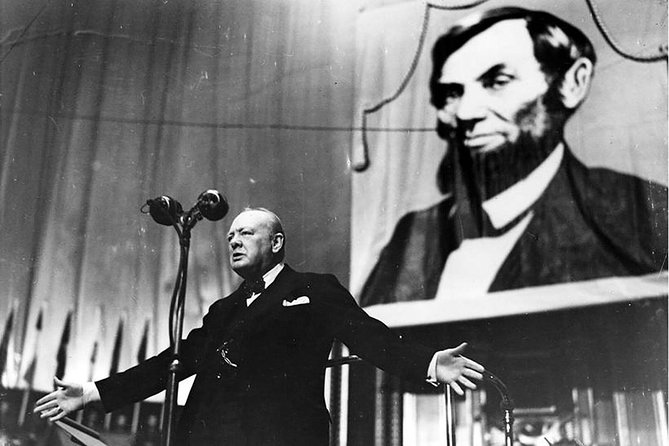
Even the way performances are referenced helps. You’ll spot photos of iconic moments around the building. It’s a simple trick, but it works: you see the Hall’s surfaces, then you connect them to famous names like The Arctic Monkeys, Beyoncé, Elton John, Cirque du Soleil, and even Muhammad Ali and Winston Churchill, all linked to what this stage has hosted.
More guard changes done by the clock:
Entering the Hall, from auditorium scale to backstage perspective
Your tour starts inside the Royal Albert Hall, where the auditorium’s architecture hits you fast. The Hall’s interior has a “grand but usable” feeling. It’s theatrical without being precious, and you’ll notice that as you move through the spaces.
A guided tour here is especially valuable because the Hall looks familiar even when you’ve never visited it. That can make you miss details. With a guide, you start to read the building: the way the sightlines are designed, how different levels connect, and why certain areas feel ceremonial.
You’ll also get stage context. This is one of the rare venues where you can understand the stage as a working platform, not just an image in a poster. The tour includes the sense of where the performers stand, where staff must move, and how the Hall changes for different kinds of events.
One of the best parts is how the guide ties the photos to real stories. You’re encouraged to ask questions, because each image connects to a different chapter of the Hall’s life. If you’re a music fan, this turns random wall pictures into a timeline you can follow without homework.
Royal access: the Queen’s Box and the Royal Retiring Room
This is the section that makes the tour feel special. You’ll visit the Queen’s Box and the nearby area known as the Royal Retiring Room. Those names are impressive on paper, but inside they feel more grounded. You’re in a real performance setting used for historic ceremonial moments.
Standing in royal spaces adds a new scale. It’s not just that the room is ornate. It’s that you understand how different audiences occupied the Hall. You start to see why the Hall’s design supports status and visibility, not just sound.
You’ll also get views from the gallery level, and that’s a smart move for first-timers. The gallery helps you take in the auditorium in one sweep, and it makes the Hall feel less like a single stage and more like a full venue system.
If you want a souvenir from the trip, your best “keep forever” item is the mental image you’ll get from these viewpoints. The royal stops make the building feel like it has layers, not just one big room.
Rehearsal luck: when sound checks happen during your tour
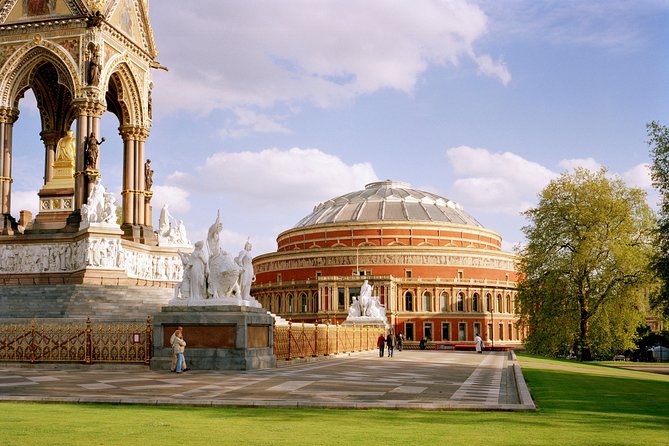
One of the tour’s biggest attractions is the chance you might see artists rehearsing for an evening performance. It’s not guaranteed, but it’s a real possibility. When it happens, you get a glimpse of what most visitors never experience, the stage in setup mode.
In the best scenarios, people have reported hearing or watching an orchestra rehearsal related to major events, including BBC Proms. Others have mentioned being present for a sound check during a show setup period.
I like this because it adds sound, not only sight. The Hall is famous for performance, and when you’re there during rehearsal, the space feels alive. It’s one thing to admire architecture. It’s another to hear musicians test the room.
Just keep one thing in mind: if a rehearsal is in progress, your access and photo options can shift. Some tours have had restrictions on where you can stand or what you can photograph when the stage is active. That doesn’t ruin the experience, but it’s worth adjusting expectations so you do not feel blindsided in the moment.
The history wall, photos on the route, and what to expect for pictures
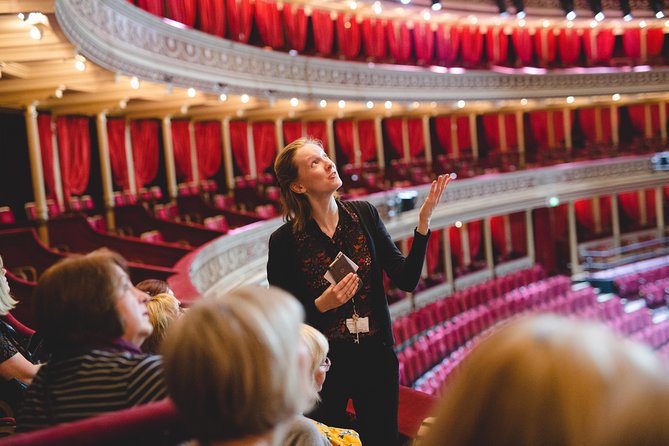
The tour uses a smart storytelling technique. As you walk, you see photos of the Hall’s best known performances. You’ll naturally want to take pictures of the photos, and that usually works. What can be different is photos of the seating or stage areas when performers are present.
In some cases, cameras have been restricted during moments connected to rehearsals. In other cases, the “no photos” issue seemed tied to where performers were visible or where the tour had you positioned during active setup.
So, what should you do? Bring a camera, but plan for flexibility. If you see a sign or hear an instruction during rehearsal time, follow it quickly. The guide’s goal is to keep the flow safe and respectful while production is happening.
Even without photos, the photo wall is still useful. It compresses decades into a walkable route. You can point out artists you recognize as you go, and the guide can connect each image to the room’s behavior, acoustics, and event traditions.
Also on in London, no fuss
- Stonehenge, Windsor Castle, and Bath from London★ 4.5 · 18,662 reviews
- London Big Bus Hop-On Hop-Off Tour with Optional River Cruise★ 3.5 · 10,803 reviews
- London Small Group Tour of Historical Pubs★ 5.0 · 10,422 reviews
- Stonehenge, Windsor Castle and Bath with Pub Lunch in Lacock★ 4.5 · 7,402 reviews
Guides can make or break it, and you might get one of these
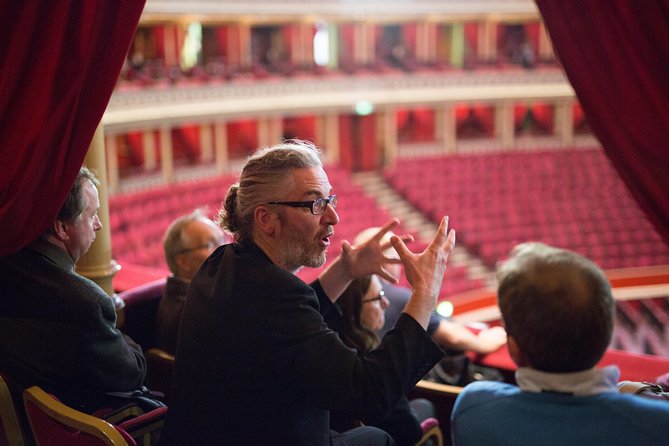
A Royal Albert Hall tour depends heavily on the guide, and the standout theme here is that the guides are strong performers. Names that have been mentioned include John, Mandy, Jo, Valentin, Alex, and Joe-Phillipe. Each one is described as energetic and engaging, with stories that make the Hall feel personal.
What I love in this kind of tour is the balance between facts and anecdotes. You’re not just learning dates. You’re learning how decisions were made, why spaces exist, and how the Hall evolved into the venue people talk about today.
If you’re the type who likes asking follow-up questions, bring that mindset. The tour encourages questions, and the best part is that the guide usually has a story tied to the thing you’re looking at. That’s how the Hall turns from a famous building into your memory of a walk through it.
Price and timing: small group value in the heart of London
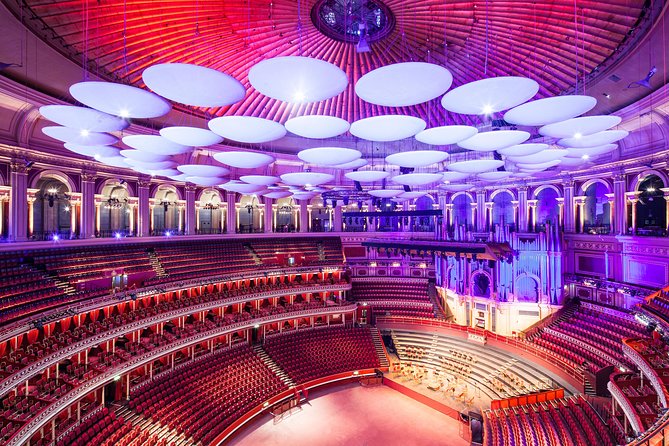
At about $27.73 per person, this tour is priced like a “smart add-on” rather than a full-day production. The value comes from three things that are hard to beat at this price point: a guided experience, the admission ticket included, and access to areas you can’t easily reach on your own.
Duration also helps. With about 1 hour, you can fit it into a day that includes other London stops without feeling like you spent half your vacation in a queue.
There’s also the practical detail of group size. With a maximum of 14 travelers, you’re not stuck in a huge herd. In a room like this, that matters. Smaller groups mean better movement, quicker explanations, and fewer moments where you can’t see because someone is in front.
Booking in advance is smart too. The average booking window is about 27 days, so if you’re traveling at a busy time, plan early.
Practical comfort tips so you enjoy every minute
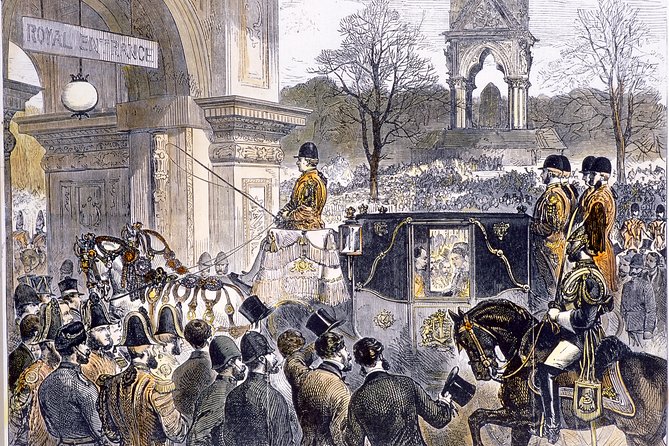
This tour is straightforward, but a few small choices make it smoother.
- Go in ready to listen. The tour is only about an hour, so it moves. Bring earbuds for nothing, just your ears for the guide.
- Expect that the tour route can adjust around rehearsals. If the stage is active, you may not see every angle you hoped for.
- If you care about audio, note that one start described a brief introduction in a busier area with background noise. If you’re sensitive to sound, arrive a touch early so you can settle in.
- Plan for a gap between tour and food. Food and drinks are not included, and alcohol is available to purchase. So, eat beforehand if you want a calm start.
Who should book this Royal Albert Hall tour?
Book it if you:
- love London architecture but want it explained in plain language
- care about music and want a quick, guided way to understand how iconic performances connect to place
- like venues with real-world energy, especially if you’re hoping for rehearsal moments
It also works well for couples and small groups, since the experience runs with a maximum of 14 and the route is easy to follow.
If you’re a hardcore photographer expecting full access to every seating angle with no restrictions, you might feel frustrated when rehearsals are happening. One of the few mixed experiences mentioned limitations on access to the main floor and restrictions on pictures. Still, even those reports often acknowledge the building and overall experience as worth it.
Should you book the Royal Albert Hall tour?
I think you should, especially if you want an efficient way to experience one of London’s most famous music venues. The combination of royal areas, a focused 1 hour format, and the chance to catch a rehearsal moment creates a visit that feels more than sightseeing.
It’s also good value. For a modest price, you get a guide and admission plus access to meaningful spaces like the Queen’s Box area and Royal Retiring Room. That’s not the sort of thing you reliably get just by walking in.
My advice: book it if you want the stories, the visuals, and the possibility of stage action. If you mainly want long lingering photo time, or you dislike any chance of restrictions around rehearsals, you may want a different kind of visit. For most people, though, this tour is one of the cleanest “worth the time” choices in central London.
FAQ
How long is the Royal Albert Hall tour?
The tour lasts about 1 hour.
What language is the tour offered in?
The tour is offered in English.
Is the guided ticket included in the price?
Yes. A guide is included, and admission ticket is included as part of the tour.
What is the group size limit?
The tour has a maximum of 14 travelers.
Can I expect to see rehearsals or sound checks?
You might get lucky and glimpse artists rehearsing for an evening performance, but it is not guaranteed.
Are food and drinks included?
No. Food and drinks are not included, and alcoholic drinks are available to purchase.
When should I book to get a good chance of availability?
On average, this tour is booked about 27 days in advance, so booking earlier is a good idea.
How do I get confirmation after booking?
You’ll receive confirmation at the time of booking.
What is the cancellation policy?
You can cancel for a full refund if you cancel at least 24 hours before the experience starts.
Latest to join the queue for London







Buckingham Palace & Royal London Tours, compared.
Changing of the Guard Guided Walking Tour in London
Read our review →
Buckingham Palace Entrance Ticket & Changing of the Guard Tour
Read our review →
Walking Tour of London Westminster Abbey, Big Ben, Buckingham
Read our review →
Changing of the Guard Guided Tour at Buckingham Palace
Read our review →
The Kensington Palace Gardens Royal High Tea
Read our review →
Changing of the Guard Walking Tour in London at Buckingham Palace
Read our review →
Royal Historic Pubs Walking Guided Tour in London
Read our review →
Browse the lists this tour appears in