
Reviewed · GUIDED WALKS IN LONDON
The Mayflower Private Walking Tour
London’s Mayflower links run deeper than you think. This private South Bank walking tour stitches together landmarks, churches, taverns, and grim prisons, with a clear thread to the point where the Mayflower departed for the New World. You’ll see major sights like the Tate Modern, Borough Market, and HMS Belfast, plus quieter corners that feel more like real London than a checklist.
I like that the experience is truly private, so it’s paced for your group and your guide can steer the story toward what you care about most. I also like the mix of stops: several are free (Millennium Bridge, London Bridge, The Scoop, and more), while others have admissions clearly marked as included.
The main drawback is simple: it’s a solid walk, about 4-5 miles at a moderate pace, and some attractions require separate tickets. If you’re not up for steady walking, you’ll feel it by the end.
In This Review
- Key highlights worth knowing before you go
- A Mayflower story you can walk, not just read
- Starting in the Millennium Bridge and Tate Modern zone
- Winchester Palace ruins: surviving industry and war
- Clink Prison Museum: London’s past with teeth
- Golden Hinde and Crossbones: exploration fantasies meet real suffering
- Marshalsea Prison South Wall: Dickens’s debtors, made physical
- The George tavern and Southwark Cathedral: pilgrims, poets, and stonework
- Borough Market and London Bridge: food, then the big question of why it’s here
- Hay’s Galleria to HMS Belfast to City Hall: docks, ships, and modern power
- The Scoop, Tower Bridge, and Shad Thames: modern theater and old executions
- Edward III’s Manor House and The Angel: the river’s older layers
- Rotherhithe: where the Mayflower story lands
- Walking distance, timing, and what to do with your day
- Price and value: when $205.29 makes sense
- Who should book the Mayflower Private Walking Tour
- Should you book this tour?
- FAQ
- How long is the Mayflower Private Walking Tour?
- Is the tour private?
- What is the walking distance like?
- What does the price include, and is admission included everywhere?
- Where does the tour start?
- Does the tour offer pickup?
- Does it run in all weather?
- Is the tour good for families or groups that want fewer crowds?
Key highlights worth knowing before you go
- Private guide, private pace: it’s only your group, so you can ask questions without fighting for attention.
- Free sights along the way: Millennium Bridge, London Bridge, The Scoop, and several others are walk-by, no ticket needed.
- Mayflower emphasis with real locations: the tour ends in Rotherhithe, tied to the Pilgrim Fathers and the Mayflower story.
- Dark history meets everyday London: prisons, debtors’ walls, plague burial grounds, and executions all sit near trendy streets.
- A mix of modern and old London: Tate Modern power-station energy, then pubs, churches, and centuries-old river history.
- Great “first look” at South Bank: you’ll get a lay of the land from St Paul’s side to the Thames and over toward Tower Bridge and Rotherhithe.
A Mayflower story you can walk, not just read
This tour works because it keeps the story physical. Instead of treating the Mayflower as a museum topic, you follow it through places where London’s past still shows up in street shapes, building repurposing, and local legends. The path also makes sense geographically. You start near Mansion House, head across the Millennium Bridge area, then move steadily along the south side of the Thames toward Tower Bridge, and finally end in Rotherhithe.
For you, that means two things: first, it’s easier to remember because you’re building a mental map as you go. Second, the history doesn’t stay locked in the past. You’ll see older sites sitting beside modern venues like the Tate Modern and City Hall, plus the food buzz of Borough Market.
Timing note: the tour starts at 9:30 am, but the operator suggests a later 10:30 am to 11:00 am start to help you miss rush-hour. If you can shift your plans, I’d do it. It makes the whole walk feel smoother.
More Guided Walks in London
Starting in the Millennium Bridge and Tate Modern zone
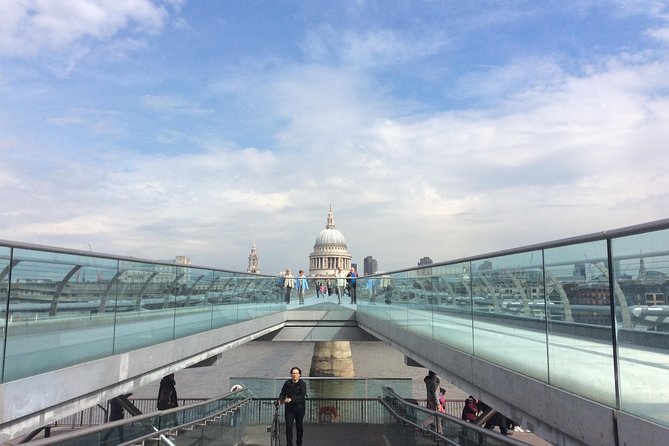
Your first stop is Millennium Bridge, the newer Thames crossing that connects St Paul’s Cathedral with the Tate Modern. This bridge is also pop-culture familiar, showing up in Harry Potter and other screen projects. Even if you’re not chasing movie locations, it’s a great way to orient yourself fast. You get a clean view line between major anchors of the area.
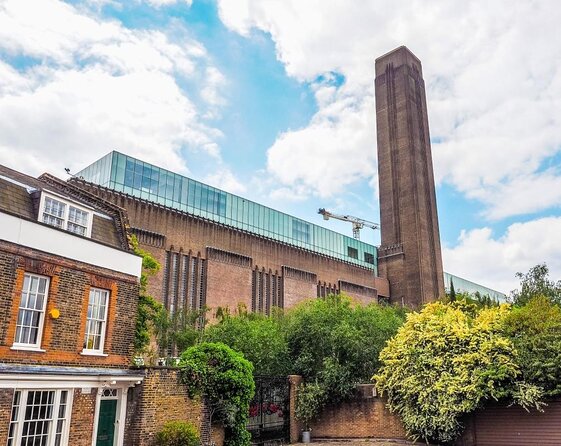
Right after, you’ll be in the orbit of the Tate Modern, which is housed in an older power station. You’ll mainly move past it rather than treating it as the center of your tour, but it matters because it changes how you read the neighborhood. Industrial bones, repurposed into major contemporary art space, tells you something important about South Bank: London keeps reusing what it has.
Practical consideration: this stretch is outdoors and open. If the weather’s rough, you’ll want to keep your layers ready and your pace steady. The good news is that the route keeps moving, and there’s no need to hover in one cold spot for long.
Winchester Palace ruins: surviving industry and war
Next up is Winchester Palace, where you’ll see the ruins of a once-grand palace that somehow endured through centuries of industry and even WW2. That detail is what makes this stop hit. It’s not just “old stones.” It’s proof that the area kept taking hits and still left traces behind.
It’s short, only about 5 minutes, so treat it like a quick story stop. You’re there to catch the idea and then keep walking. The value here is context. You’re learning that South Bank wasn’t always a leisure corridor. It was built, rebuilt, damaged, and repurposed.
If you like historical survival stories, you’ll enjoy this more than you might expect. If you want museums with lots of time inside, don’t worry, the rest of the route is built to keep things moving outside.
Clink Prison Museum: London’s past with teeth
The tour then leans into a darker mood at The Clink Prison Museum. The area is described as eerie, and that’s the right feeling for what it represents. This was possibly among Britain’s worst prisons, with enough reputation that you don’t need imagination to picture how grim confinement must have been, even though the neighborhood around it later became far more fashionable.
Again, this is about 5 minutes, so it’s not a full prison-lecture. But it gives you a powerful contrast: the fashionable streets you see nearby have a shadow under them.
Tip for you: when a tour moves quickly through heavy topics, it can help to pause for one question. Ask your guide what changed in the area, or how the place shifted from “punishment” to today’s use. That kind of explanation is where the tour’s value shows up.
Golden Hinde and Crossbones: exploration fantasies meet real suffering
At Golden Hinde, you’ll visit a replica ship linked to the age of exploration. Even if you’ve seen a lot of ship exhibits, a replica works differently in a walking tour. It’s like a chapter break: you shift from imprisonment and poverty toward the idea of leaving the Old World for the New.
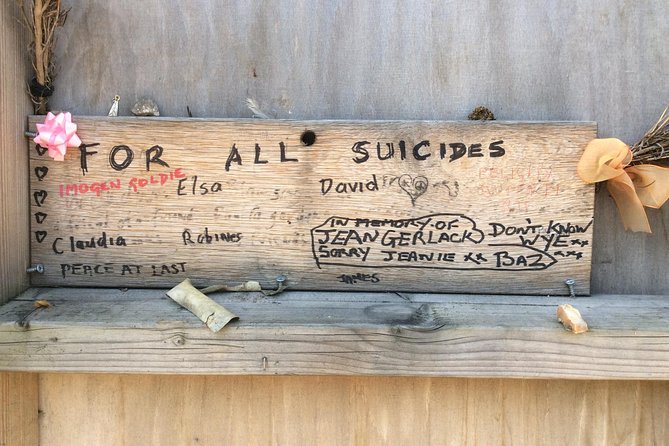
Then comes Crossbones Graveyard and Garden of Remembrance. This is one of the tour’s most memorable stops because it deals with burial history tied to extreme hardship. The site is described as the resting place of thousands of plague victims, criminals, and women described as fallen, buried without ceremony. The story also connects poverty to later social reform and to writings associated with Charles Dickens.
You’ll spend around 10 minutes here, and it’s marked as admission included, which helps the stop feel complete rather than rushed past.
The emotional drawback: it’s heavy subject matter. If you prefer lighter history, this is the point where the tour may feel intense. But if you want the real London, this is the kind of stop that makes the walk more than scenery.
More England on foot, brolly optional:
- Westminster Guided Walking Tour with Abbey Entry★ 5.0 · 1,282 reviews
- Walking Tour of London Westminster Abbey, Big Ben, Buckingham★ 4.5 · 1,213 reviews
- London West End Musical Silent Disco Walking Tour Top 1% Rated★ 5.0 · 1,057 reviews
- Westminster 3 Hour Walking Tour and Visit of Churchill War Rooms★ 5.0 · 967 reviews
Marshalsea Prison South Wall: Dickens’s debtors, made physical
Not far from Crossbones is Marshalsea Prison South Wall, a small park area where you’ll see the remains of what was once a feared debtor prison. The tour specifically ties it to the Dickens connection through the fact that the Dickens family was incarcerated there.
This stop is also about 10 minutes and is marked admission included. It matters because the story becomes less abstract. You’re not only hearing about poverty and punishment in general terms. You’re being anchored to a particular prison wall and a particular family connection.
If you enjoy literature history, you’ll likely appreciate how the tour links Dickens into multiple locations rather than treating him as a single factoid.
The George tavern and Southwark Cathedral: pilgrims, poets, and stonework
At The George, you’ll see the only remaining galleried tavern in London. That detail is a hook by itself, but the story angle goes further: the yard in front is where the pilgrims assembled in the Canterbury Tales. This is one of those stops where literature and London geography overlap cleanly.
This stop is about 5 minutes and not marked as admission included, so you’ll mostly be learning from the outside and the guide’s framing. Keep your eyes open for how the building’s shape supported gathering and movement. Taverns were built for crowds before crowds were called crowds.
Next is Southwark Cathedral, which the tour notes as a beautiful church in an area that was once its own city. It’s also described as often overlooked, which tells you something about how South Bank is experienced. It can feel trendy and loud, but the religious architecture keeps quietly holding the neighborhood together.
Borough Market and London Bridge: food, then the big question of why it’s here
Borough Market is next, and it’s marked admission included with about 10 minutes here. Borough is famous for a reason, but in this tour it’s more than a food stop. The market has operated for around 1,000 years, possibly reaching back to Roman times. That long stretch is what makes it a useful “reset” in the middle of darker history.
This is also where you can choose your own flavor of the tour. If you want to shop for something small, you can. If you’d rather just eat in your mind, focus on the guide’s story about continuity in the marketplace.
Then you hit London Bridge, with 5 minutes and marked free. You’ll learn why it is where it is and hear about awful things that used to happen there. This stop is short, but it’s a critical bridge between eras. It reminds you that the Thames corridor wasn’t always about views and walks.
Hay’s Galleria to HMS Belfast to City Hall: docks, ships, and modern power
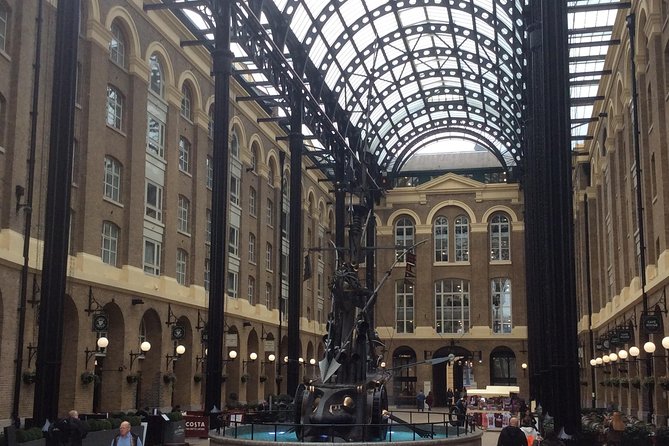
After London Bridge, you’ll move toward Hay’s Galleria, once described as the world’s first covered dockyard, now used for leisure and good eating. The key value for you here is contrast again: old shipping infrastructure reworked into places that feel like “today” rather than “then.”
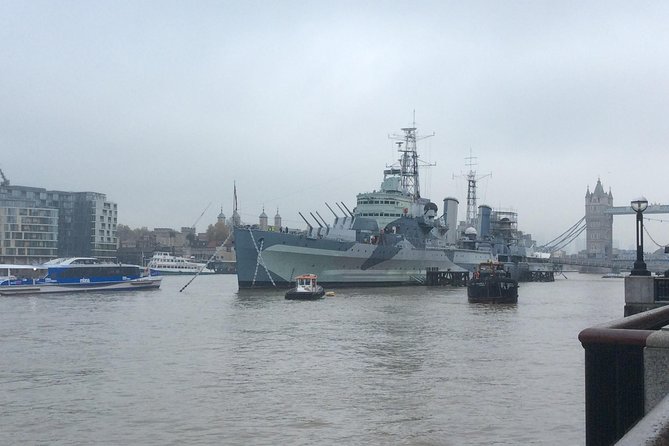
Next is HMS Belfast, the WWII Royal Navy cruiser now berthed as a tourist attraction. This stop is not marked admission included, so you’ll likely view it from the outside or in a way that depends on what your guide can do within the tour flow. Still, seeing a real warship in this part of the riverfront changes how you read the Thames. It’s not just a backdrop, it’s a working memory.
Then comes City Hall, home of the Mayor of London and the London Assembly, with the nickname the Armadillo. This is another “read the city now” moment. You’re switching gears from centuries of port life to the current political heartbeat.
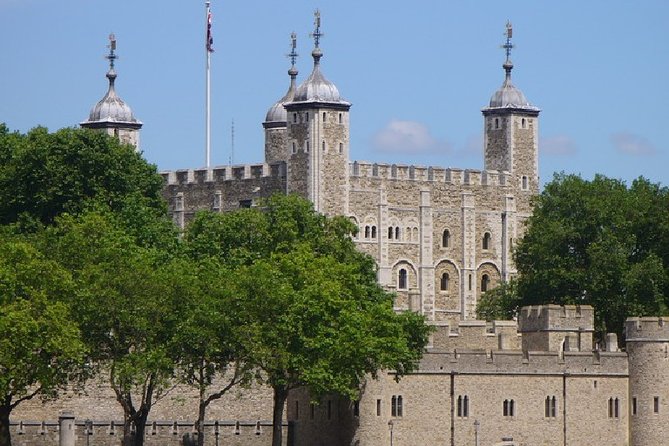
And you’ll also spot the Tower of London from outside, positioned right next to the Thames. Even from the walking line, it helps you understand the overall corridor you’re covering.
The Scoop, Tower Bridge, and Shad Thames: modern theater and old executions
At The Scoop, you’ll see one of London’s very modern outdoor theatres, marked free. This is a breather in the route, because it’s visually different from the prisons and churches.
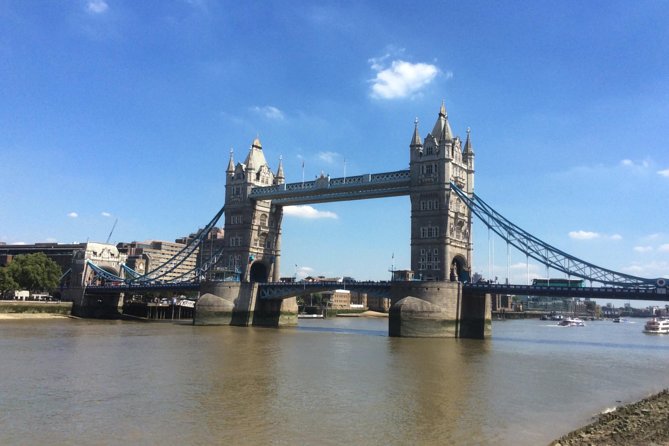
Then you reach Tower Bridge and walk under its hydraulic lifting structure. That’s a classic London icon, and walking under it does something photos don’t. You get a sense of scale and construction, and it helps you feel the height and machinery from ground level.
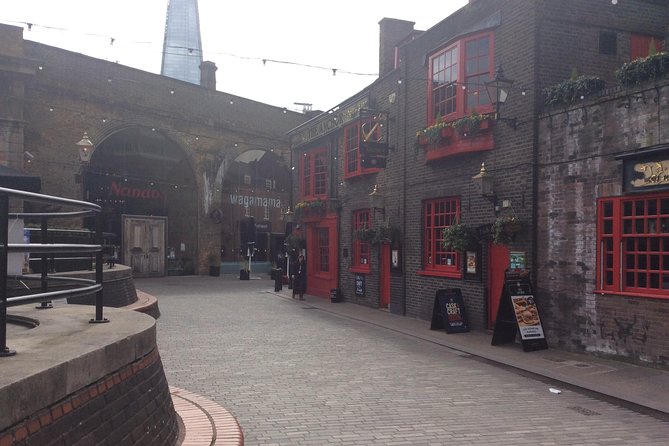
From there, you’ll explore Shad Thames for about 10 minutes, marked admission included. The tour describes this area as once the Venice of Drains, and also tied to murders and executions, plus Dickens connections. That combination is exactly why it’s interesting on foot. You can’t fully capture it from a bus window. Walking the lanes gives the guide room to explain why things happened where they did.
Edward III’s Manor House and The Angel: the river’s older layers
At Edward III’s Manor House, you’ll hear that centuries ago this area was swamp land, and Edward III built a hunting lodge there. The remains were reportedly unearthed relatively recently. This stop gives you a reality check. The Thames edge wasn’t always “built-up London.” It changed shape over time, and people adapted.
Next is The Angel, an old pub that the tour describes as a smugglers den. You’ll also learn about trap doors said to still be visible. The tour ties it to Captain Cook, who set sail from here, and also mentions a hanging judge nearby who watched sentences carried out.
This is the kind of stop that can turn into myth fast, but on a good guide-led walk it stays grounded through location-based storytelling. Even if you’re skeptical of legend, the physical details like trap doors make you pay attention.
Rotherhithe: where the Mayflower story lands
The tour’s mood becomes more focused as you reach Rotherhithe.
You’ll stop at St Mary’s Church, Rotherhithe, marked admission included. This church is described as having a monument to the Pilgrim Fathers. It also notes that the captain of the Mayflower is buried here, and that the ship was beached up on the Thames behind.
That “behind the church” detail is the kind of location-specific clue you remember. It makes the Mayflower story feel connected to this exact stretch of riverbank rather than a distant historical sketch.
After that, you’ll visit The Mayflower Pub, marked admission included. The tour describes it as the famous pub from where the crew of the Mayflower departed for the New World. This is marked as a good option to return to after the tour for a drink or pub meal. Even if you don’t plan to linger, it’s a satisfying endpoint. You’ve traced the narrative, and now you arrive at the place where the story is celebrated.
Then you move through a set of stops that keep expanding the meaning of “Rotherhithe” beyond one ship.
- The Brunel Museum at Rotherhithe is listed as not included for admission. The tour highlights that Brunel built the first underwater tunnel here, and that trains still use it. It also frames this as part of an effort to solve docking delays that could take days or weeks.
- The Watchhouse Café is marked free. It’s described as an organic cafe today, but it was once a watch house where dead bodies washed up on beaches were brought to protect them from thieves until authorities arrived.
- Rotherhithe Picture Research Gallery is also marked free, in an old industrial building among warehouses. The tour describes it as a cinema and heritage costuming space, with a reference library holding photos of how the area used to look, and period costumes made for TV and movies.
This end stretch is where you see how the same buildings can hold different roles across time: worship, transit, care, performance, film work. For you, that means the story keeps evolving as you walk.
Walking distance, timing, and what to do with your day
This tour runs for about 3 hours. Add in that it’s about 4-5 miles at a moderate fitness level, and you can plan accordingly.
You’ll also want to think about starting and ending. The meeting point is Underground Ltd Station, Mansion House, 38 Cannon St, London EC4N 6JD, UK. The activity ends in a different location, and the route is designed to finish somewhere you can continue easily, with a note that it ends at a pub and is within walking distance of the Overground.
So how do you use this in your day? I’d pair it with:
- a light dinner plan nearby in the last stretch of Rotherhithe
- or an easy late afternoon connection, since the walk ends near transit
If you’re visiting London for the first time, you’ll get a strong mental map. If you’re a history fan who already knows the big names, the route’s strength is the blend: prison sites and plague burial history next to food markets, art power stations, and working riverfront structures.
Price and value: when $205.29 makes sense
At $205.29 per person, this isn’t a bargain-basement walk. But it can still be good value for the right group.
Here’s why: the experience is private, includes a local guide, and includes hotel pickup and drop-off if you select the option. It also has a mix of free stops plus multiple stops marked with admissions included. In other words, you’re paying for a guided thread through a lot of named locations within a tight 3-hour window.
It’s also booked on average about 91 days in advance, which hints that people plan this as a go-to experience rather than a last-minute add-on. If your dates are fixed, I’d book early.
If you’re traveling solo and expecting the lowest cost, you may decide it’s too steep. If you’re traveling as a couple or small group and you want history without crowd management, it’s a strong fit.
Who should book the Mayflower Private Walking Tour
I think this tour is best for you if:
- you like history with locations attached, not just facts read at you
- you want to cover a lot of South Bank ground efficiently in 3 hours
- you enjoy dark history too, from prisons to plague burial sites
- you prefer a private experience over a larger group
It’s less ideal if:
- you struggle with long walks, since it’s about 4-5 miles
- you’re hoping for a mostly light, scenic tour with minimal heavy topics
- you want every attraction fully ticketed, since some stops are not admission included
Should you book this tour?
Yes, if your goal is a focused South Bank walk that connects the Mayflower story to real places from Millennium Bridge down through Rotherhithe. The biggest reasons to book are the private guide format, the way several stops are free, and the strong ending in Rotherhithe tied to the Pilgrim Fathers and the Mayflower narrative.
If you’re sensitive to heavy themes, pace yourself mentally at Crossbones and Marshalsea. And if you don’t like walking 4-5 miles, look at other options or plan a shorter day.
Bottom line: for history-minded travelers who want a clear route with admissions handled in the plan, this is a smart way to see London’s south river edge with purpose.
FAQ
How long is the Mayflower Private Walking Tour?
It lasts about 3 hours.
Is the tour private?
Yes. It is a private tour, and only your group participates.
What is the walking distance like?
A review notes it is a good 4-5 mile walk, so you should be comfortable with moderate physical activity.
What does the price include, and is admission included everywhere?
The tour includes a local guide and a private guide, plus hotel pickup and drop-off if you choose that option. Admissions vary by stop, with several sites marked as admission included, and others marked as not included.
Where does the tour start?
The meeting point is Underground Ltd Station, Mansion House, 38 Cannon St, London EC4N 6JD, UK.
Does the tour offer pickup?
Pickup and drop-off are offered if you select the pickup option.
Does it run in all weather?
Yes, it operates in all weather conditions, so dress appropriately.
Is the tour good for families or groups that want fewer crowds?
The tour is private and uses generally quiet places, and there is guidance suggesting a later start time (around 10:30 am to 11:00 am) to help you miss rush-hour.
Latest to join the queue for London




Guided Walks in London, compared.

Tour for Muggles The Ultimate Harry Potter Walking Tour in London
Read our review →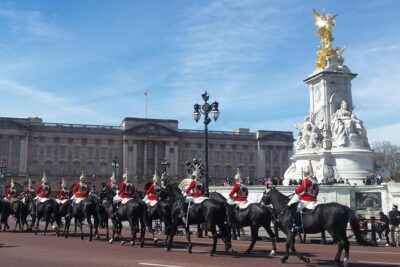
Changing of the Guard Guided Walking Tour in London
Read our review →
The Great British Rock and Roll Walking Tour
Read our review →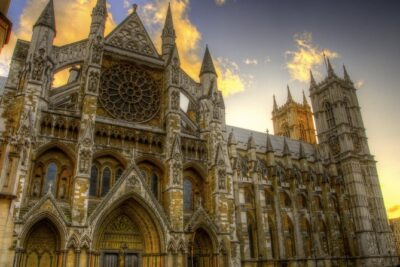
Westminster Guided Walking Tour with Abbey Entry
Read our review →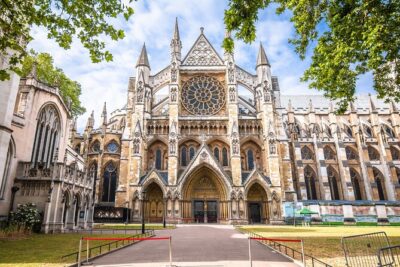
Walking Tour of London Westminster Abbey, Big Ben, Buckingham
Read our review →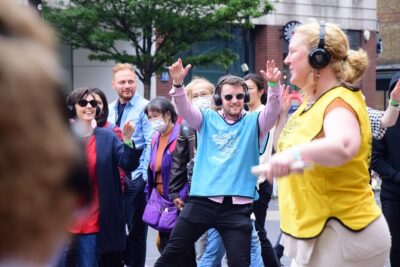
London West End Musical Silent Disco Walking Tour Top 1% Rated
Read our review →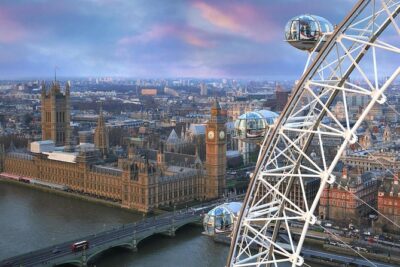
Westminster 3 Hour Walking Tour and Visit of Churchill War Rooms
Read our review →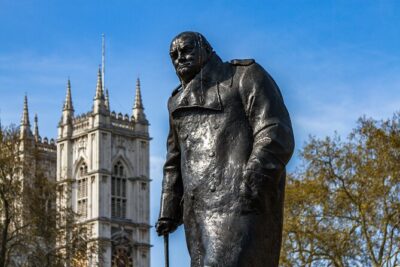
WW2 London Walking Tour & Churchill War Rooms Entrance Ticket
Read our review →Browse the lists this tour appears in