Reviewed · ENGLAND
The Big One 150ft Abseiling Experience
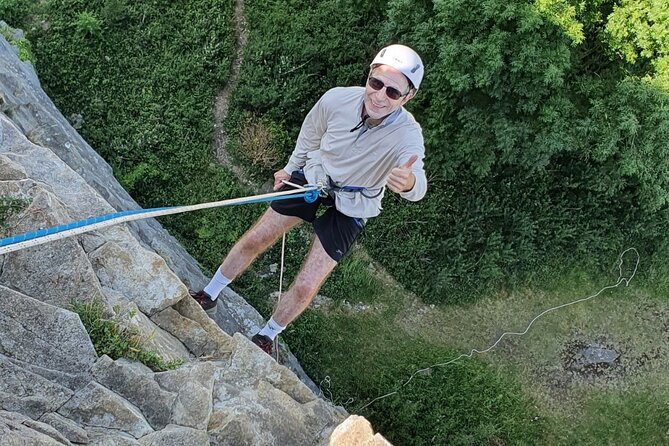
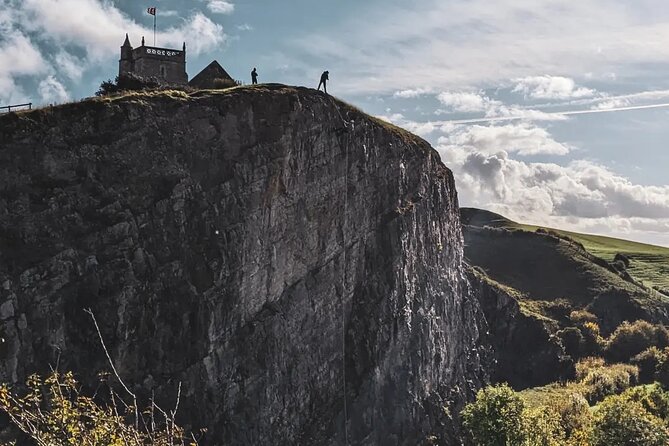
150 feet is a real edge-thing, in a good way. This South West England abseil pairs professional kit with step-by-step instruction, starting with a shorter try so you can build confidence before you take on the full drop. I also like that you do this in a small group, so the safety coaching does not feel rushed, and you get those standout views down over the Severn Channel and toward the city.
One consideration: this is active and you need moderate physical fitness. If you are carrying injuries, or you feel uneasy with heights even after practice, the day could feel like more work than fun.
In about 3 hours, you will go from learning the basics on a 30-40ft practice abseil to the main 150ft rappel, then head back to the start at the Boathouse in Uphill.
In This Review
- Quick hits before you go
- Where this happens: Uphill and the Boathouse meeting point
- What you get in the kit, and why that safety setup matters
- The 3-hour flow: how you go from first rappel to 150ft confidence
- Stop 1: the uphill local nature reserve
- The training abseil: your 30-40ft rehearsal
- The main event: The Big One 150ft abseil
- Instruction quality: what makes the difference between scary and manageable
- Price and value: what $68.55 buys you (and what it does not)
- Fitness, nerves, and who this suits best
- Tips for having a great session (without overthinking it)
- Weather and timing: why planning around the outside world helps
- Should you book The Big One 150ft abseil in Uphill?
- FAQ
- How long does The Big One 150ft abseil take?
- Where does the experience start and end?
- What do I do before the 150ft abseil?
- What safety gear is included?
- Is food or drink included?
- Are parking fees included?
- Do I need to bring rock or climbing shoes?
- What fitness level do I need?
- What if the weather is bad?
Quick hits before you go
- A true practice run first, around 30-40ft, before the 150ft main abseil
- Helmets and harnesses are provided, so you show up ready to go
- Views over the Severn Channel add motivation when your legs start to feel wobbly
- Small group size (max 6) means more time with your instructor
- Two drop levels (training cliff and The Big One) keep the challenge staged
- No shoes included, so plan on bringing rock/abseiling footwear if you own it
Where this happens: Uphill and the Boathouse meeting point
This experience is based in Uphill, Weston-super-Mare area, South West England. Your meet-up spot is The Boathouse, Uphill Wharf, Uphill, Weston-super-Mare BS23 4XR.
Why the location matters: the timing and mood of an abseil day are everything. Uphill’s setting makes it easy to arrive, get suited up, and then focus. Also, the day is designed around one activity, not a long hop between sites, so you spend your energy on the abseiling rather than commuting.
The session starts and ends back at the meeting point, which is a relief if you are trying to keep the rest of your day simple.
Forming a queue behind this one in South West England:
What you get in the kit, and why that safety setup matters
You will be issued climbing equipment appropriate to the activity, including helmets and harnesses. That is the practical part. The bigger value is the way the day is structured around safety checks and coaching, not just a rope and good luck.
Most people feel the nerves right before going over the edge. The best abseil guides reduce that spike in two ways: they help you get comfortable with your gear setup, and they teach you what to do with your hands, your feet, and your pace while you are lowering yourself.
Even in the very best moments, abseiling is technical. A good harness fit, a helmet that stays put, and an instructor who can quickly correct small mistakes are what keep it from feeling scary in the wrong way. The experience is built for that, and it shows in how strongly people rate the training approach.
The 3-hour flow: how you go from first rappel to 150ft confidence
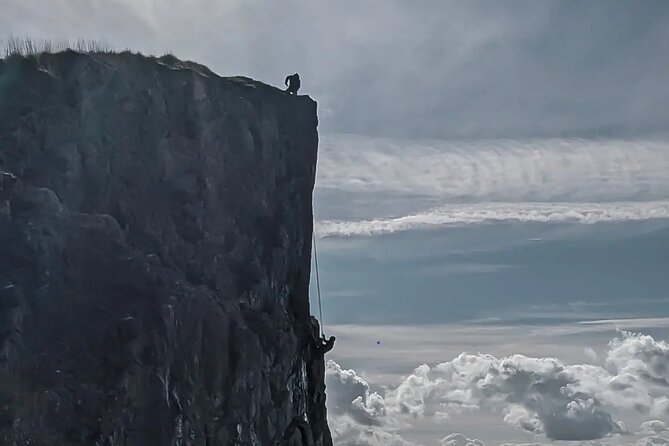
You are looking at roughly 3 hours total, and the pacing is intentional. You do not jump straight to the big drop. Instead, you start with a practice section, then you move up.
That matters for two reasons. First, it lets you learn the movement while the stakes feel manageable. Second, it gives you a chance to ask questions that you would not think of at the top, with the wind in your face and the rope already in play.
Stop 1: the uphill local nature reserve
You begin at Uphill Local Nature Reserve. Think of this as the “get your footing” part of the day. It is where you settle in, learn what to do, and get your equipment sorted before you head into the vertical challenge.
Even though you are there in the open air, the focus is not sightseeing. The nature setting is what makes the experience feel real and outdoorsy, but the real win is that you are not thrown into the 150ft scenario immediately.
The training abseil: your 30-40ft rehearsal
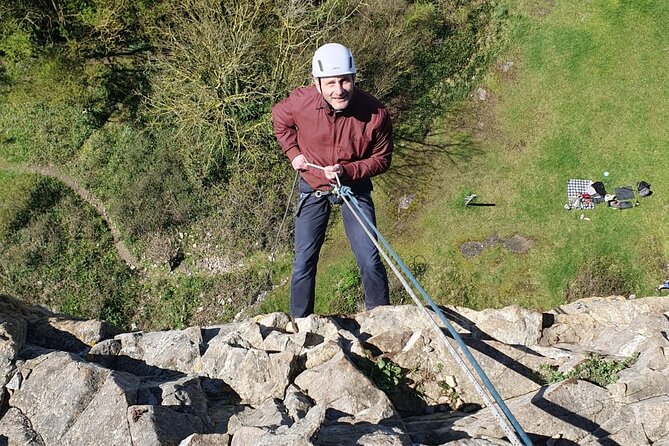
Before you go up for The Big One, you take on an approximately 30-40ft practice abseil. This is where beginners can breathe.
In plain terms, this stage is about learning:
- how the harness and helmet feel as you move
- how to trust the rope system
- how to control your descent with the right posture and pace
- what to expect when you look down and realize you are actually committed
The practice run is also a confidence builder for experienced folks, because you learn the specific techniques used by that equipment setup and that instructor style. It is not generic advice, it is guided coaching, and that makes the jump to 150ft feel less like a leap and more like step two.
While the kettle’s on in South West England:
- A Tour of Glastonbury, Guided by the Trees.★ 5.0 · 98 reviews
- Shepton Mallet Prison Escape Room – The Hole★ 5.0 · 59 reviews
- Full-Day Tour of Glastonbury★ 4.5 · 42 reviews
- Avalon Adventure★ 5.0 · 32 reviews
The main event: The Big One 150ft abseil
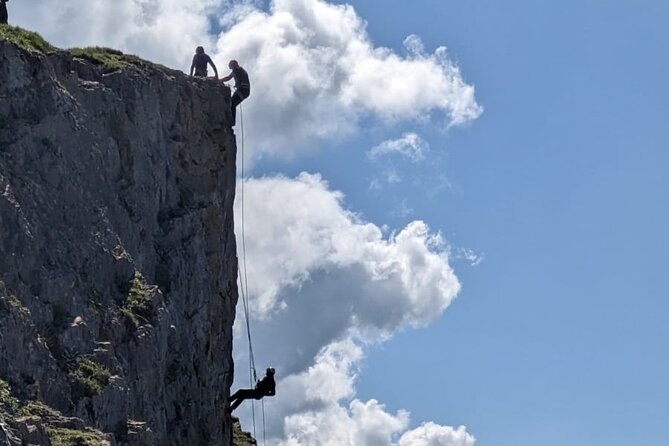
After the practice, you go up and do the full 150ft abseil from the top. This is the moment the whole day revolves around.
What makes it satisfying is that you are not relying on bravery alone. You have already felt the harness, you have already used the right body positioning, and you have already worked through the basic routine on a lower drop. So when you step over the edge on the main line, your brain can focus on controlled movement rather than pure panic.
And yes, the views matter. You will see the Severn Channel and the city from a different angle, and that visual payoff helps time pass while you lower yourself. It turns the abseil from a chore into a moment.
Instruction quality: what makes the difference between scary and manageable
The best part of this activity is the teaching style. Across the sample of instructors associated with the experience, the common theme is calm, patient guidance, and very specific safety instruction.
You might meet guides such as Rob, James, or Scottie, and the consistent thread in how they are described is professionalism plus encouragement. For a first-time abseiler, that is exactly what you want. Not hype. Not pressure. Just clear instructions, checked gear, and feedback when you need it.
One useful thing to know: there are often two levels of drop, a training cliff and then The Big One. That staging reduces the jump in difficulty, and it also gives you multiple chances to learn from your instructor. You are not only trying the hard thing, you are learning how to do it well.
Price and value: what $68.55 buys you (and what it does not)
At $68.55 per person, you are paying for a structured, guided vertical adventure. You also get use of climbing equipment, including helmets and harnesses.
That is the value piece: you are not just buying the rope time. You are buying the full safety setup, instruction, and the staged progression from 30-40ft to 150ft in one session.
What is not included matters too:
- Snacks and drinks are not provided, and there is an onsite shop/cafe where you can buy refreshments
- Parking fees are not included
- Climbing/rock shoes are not provided
So if you want the day to feel smooth, plan to show up fed and ready, and consider bringing shoes if you have them. If you do not, you still can go, but you might find comfort and grip are better with footwear designed for this kind of activity.
Fitness, nerves, and who this suits best
The experience calls for moderate physical fitness level. That does not mean it is for only elite athletes. It means you should be comfortable standing, moving into position with a harness, and following instructions without running out of steam.
It is also helpful if you can handle heights with guidance. The best way to succeed is to lean into the practice abseil first. For many people, the 30-40ft stage is where anxiety gets turned into focus.
Who this suits well:
- couples or small groups who want a shared challenge
- people ticking off a big bucket-list goal who do not want to self-teach
- travelers in the Weston-super-Mare area looking for one high-impact activity
Who might want to think twice:
- anyone with injuries or medical limitations that affect balance or stamina
- anyone who panics hard when standing near heights, even with instruction
Tips for having a great session (without overthinking it)
You will learn most of what you need on the day, but these practical tips can help.
First, arrive with the right mindset. Your job is to listen, follow, and repeat what the instructor tells you. If you feel your brain spiraling, refocus on the next step you are being asked to do, not the full height in front of you.
Second, plan for comfort. You do not want to spend the day distracted by clothing that rides up or shoes that slip. Since rock or climbing shoes are not provided, it is smart to wear footwear suited to grip. If you do not have proper shoes, at least bring something sturdy rather than flip-flops.
Third, expect no snack safety net. There is an onsite shop/cafe, but you should not count on a pre-planned meal schedule. If you arrive hungry, you will feel it during training. A simple snack beforehand can keep you steady.
Weather and timing: why planning around the outside world helps
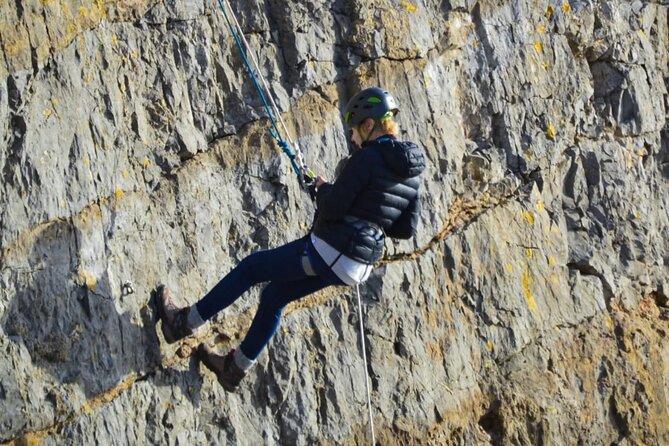
This experience requires good weather. If conditions are not right, you will be offered a different date or a full refund.
That is not just fine print. Abseiling depends on safe outdoor conditions. Wind, wet surfaces, and poor visibility can change how comfortable and safe the session feels, so plan this as an outdoors activity that you may need to reschedule.
If your schedule is flexible, you will enjoy the experience more, because you are not racing the clock.
Should you book The Big One 150ft abseil in Uphill?
I think you should book if you want a real, safety-led challenge and you like the idea of learning in stages. The combo of helmets and harnesses, a staged 30-40ft practice rappel, and a guided 150ft descent makes this feel like a controlled skill day rather than a one-off stunt.
Skip or postpone if you know you have trouble with heights even when supported, or if moderate physical fitness is not realistic for you right now. Also, if you dislike the idea of bringing your own suitable footwear, you will want to plan for that in advance since shoes are not included.
If you get the chance, do it. The main appeal is that you go from nervous to capable with a guide right beside you, and you do it with views that make the effort feel worth the rope time.
FAQ
How long does The Big One 150ft abseil take?
It runs for about 3 hours.
Where does the experience start and end?
It starts at The Boathouse, Uphill Wharf, Uphill, Weston-super-Mare BS23 4XR, UK, and ends back at the same meeting point.
What do I do before the 150ft abseil?
You practice on a smaller abseil of about 30-40ft, then you go up and take on the full 150ft abseil.
What safety gear is included?
Use of climbing equipment is included, including helmets and harnesses.
Is food or drink included?
No. Snacks and drinks are not provided, but there is an onsite shop or cafe where you can buy refreshments.
Are parking fees included?
No, parking fees are not included.
Do I need to bring rock or climbing shoes?
Climbing/rock shoes are not provided, so you should plan accordingly if you have suitable footwear.
What fitness level do I need?
You should have a moderate physical fitness level.
What if the weather is bad?
The experience requires good weather. If it is cancelled due to poor weather, you will be offered another date or a full refund.