Reviewed · LONDON TOURS & ACTIVITIES
See Tate Modern with an Art Historian in London
Contemporary art can make you doubt your eyes. This Tate Modern visit uses an art historian guide to turn confusion into solid ways of seeing, with a small-group feel and time to breathe in the museum.
I love the interactive style: the guide prompts you to look, share what you think, then connects it to art-history context. I also like the practical extras, like free luggage storage and being able to take a photo or two in front of the works you choose.
One consideration: the tour is only about 2 hours, so if you want to linger in many galleries at your own slow pace, you will still need extra solo time after the tour.
Key tour takeaways
- Art historian guidance that starts with your reactions, not a lecture
- Small group size, capped at 10, so you can actually ask questions
- Free entry to Tate Modern with a focused set of highlights
- A short 2-hour format, leaving room for your own wandering
- Temporary exhibitions are extra, if you want them
In This Review
- Why Tate Modern Makes Sense When You Learn How to Look
- Meet Your Art Historian, Then Talk Back to the Art
- A Focused 2 Hours Inside Tate Modern: Highlights with Meaning
- Stop at Tate Modern: Guided looking, then context
- What you might choose to photograph
- Price and Value: What $137.12 Really Buys You
- The one cost you should plan for
- Small Group Benefits: A Museum You Can Actually Use
- Practical Tips for Your Visit to Tate Modern
- Build around a 2-hour block
- Use the luggage storage
- Go in curious, not prepared
- Bring the right mindset for contemporary art
- Who Should Book This Tate Modern Art Historian Tour
- Should You Book This Tate Modern Tour?
- FAQ
- How long is the Tate Modern art historian tour?
- What does the tour cost, and is museum entry included?
- Is the tour in English?
- How big is the group?
- What is included during the tour?
- Are temporary exhibitions included?
- Where does the tour start and end?
- What if the tour needs to be canceled due to weather or the minimum number of travelers?
- Is prior art knowledge required?
Why Tate Modern Makes Sense When You Learn How to Look
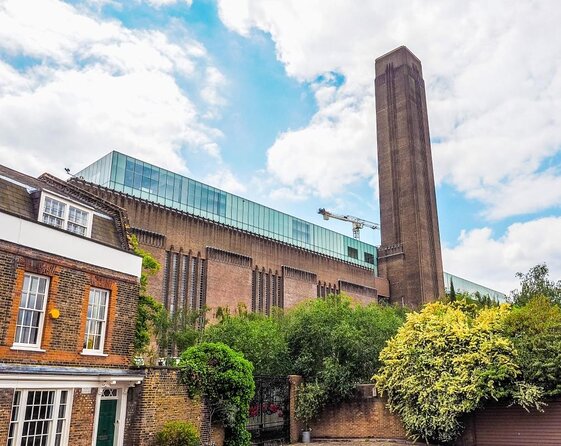
Tate Modern is famous for making smart people feel a little lost. Contemporary and modern art can look like it is refusing to explain itself. That is exactly why this kind of guided visit works.
This tour is built around learning how to look, seeing, and talking about art. Instead of racing through rooms, you are guided with real prompts and questions. You will tackle big ideas like how abstract art got started, whether the artist’s gender matters, what changed for sculpture in the 20th century, and whether photography counts as art. You also get the uncomfortable but important questions, like who decides what is art, whether art can change the world, and if you need to like what you see to understand it.
Here is the part I think you will appreciate most: the guide does not treat you like a blank slate. The approach is more like a good conversation. You trust your own eyes first, then you learn the vocabulary and context that help your instincts land with more confidence.
Meet Your Art Historian, Then Talk Back to the Art
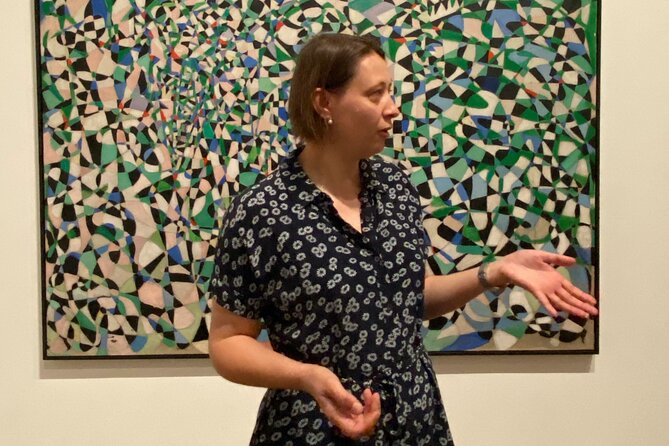
The guide is the engine here, and reviews point to a specific teaching style. You will not just hear facts. You will be asked what you notice, what you feel stuck on, and what you think the work might be saying before the explanation lands.
That matters because modern art often shuts people down. If someone tells you what to think right away, you can end up staring at the label instead of the work. This tour flips that. You start with your own interpretation, then the art historian adds structure, history, and cultural context.
In the reviews, names come up like Julia and Rosa. Julia is repeatedly described as energetic, funny, and able to tailor the tour to what your group cares about, including themes like political activist art and modern abstract painting. Rosa is described as an art historian with experience connected to the National Gallery, which comes through in how she handles institution-level context and museum thinking. Even if your guide is different, you can expect the same core method: interactive, question-led, and geared to help you see more during the limited time.
If you are traveling solo, this format is a relief. You are not stuck trying to translate art by yourself in a giant museum. And if you are with kids, the tour is set up to keep the conversation going in a way that a younger visitor can actually use.
Also on in London, no fuss
A Focused 2 Hours Inside Tate Modern: Highlights with Meaning
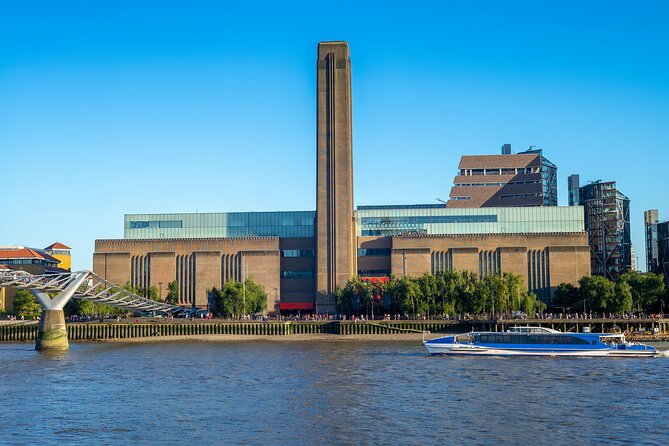
The tour’s whole itinerary is one stop: Tate Modern. The idea is not to see everything. Tate Modern is huge, and it can swallow your day if you let it. This plan gives you a guided path through selected highlights so you leave with more than just photos.
Stop at Tate Modern: Guided looking, then context
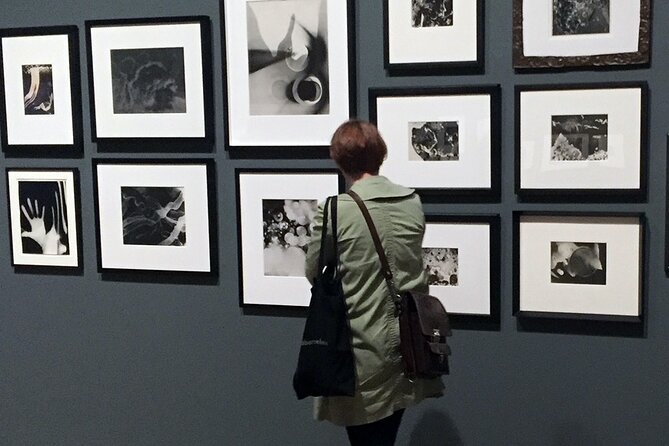
In the time you spend together, you are guided through the galleries as a sequence of themed moments. You will bounce between big conceptual questions and specific works. The goal is practical. By the end, you should feel more capable of walking into a new piece and having a thoughtful conversation with it.
Expect the tour to feel like:
- You look first, often with the guide asking questions.
- You talk, even if you think your reaction is not the correct one.
- The guide then connects what you saw to broader art concepts.
This is how you start to understand things like why abstract art emerged when it did, or why 20th-century sculpture moved in directions that felt radical at the time. Photography is treated the same way. Instead of arguing in theory, you are shown how images became a serious art medium, with intent, framing, and authorship in mind.
You also get a reality check about the art world. You will talk about who decides what counts as art and how those decisions can shift over time. That thread is useful even if you only remember one or two artworks, because it changes how you view the museum as a whole.
What you might choose to photograph
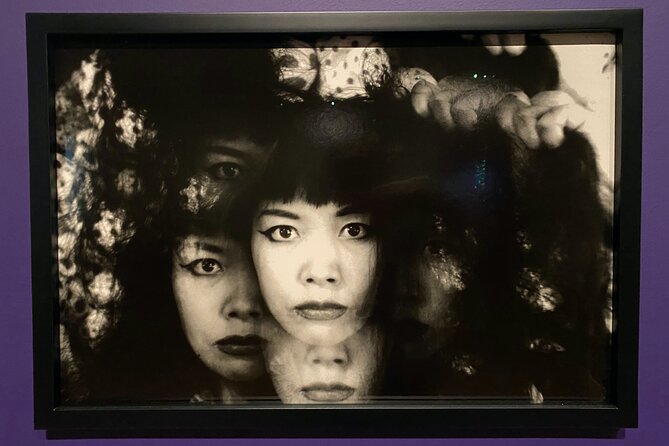
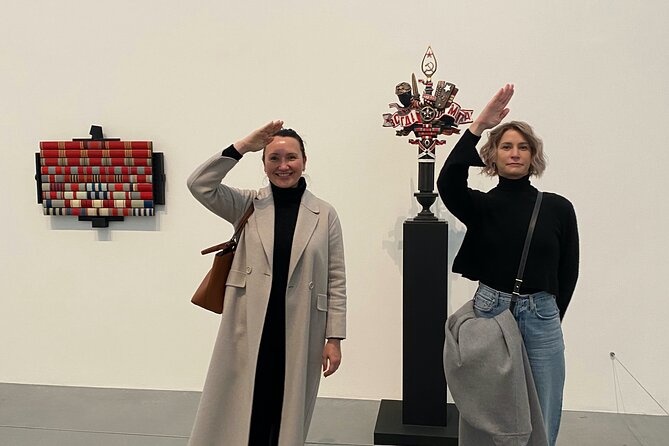
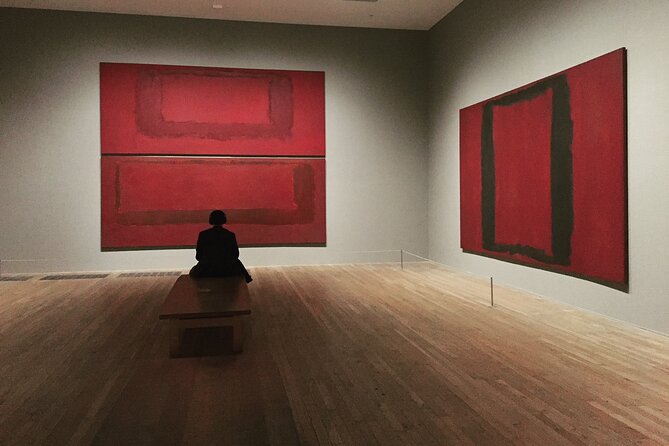
One included perk is a photo or two in front of your chosen works. That sounds small, but it is actually a smart way to anchor your memory. When your brain is overloaded by contemporary art, it is hard to remember which pieces you reacted to. Taking a couple of targeted photos helps you come back later and look again with your notes in your head.
Price and Value: What $137.12 Really Buys You
At $137.12 per person for about 2 hours, you are paying for three things: an art historian guide, a focused route through Tate Modern, and free entry to the museum itself.
Here is why that can be good value. Tate Modern tickets alone cover admission. The museum is large enough that many people lose time wandering without a plan. This tour helps you avoid that first-day confusion. In other words, you are not only buying information. You are buying time, direction, and a better way to interpret what you are seeing.
The tour also caps at a maximum of 10 travelers, which is a major quality-of-life factor. Smaller groups usually mean more questions, more back-and-forth, and less standing around while someone else listens.
While the kettle’s on in London:
- Stonehenge, Windsor Castle and Bath with Pub Lunch in Lacock★ 4.5 · 7,402 reviews
- Tower of London and Crown Jewels Exhibition Ticket★ 4.5 · 6,677 reviews
- Thorpe Park Admission Ticket★ 4.0 · 5,915 reviews
- Stonehenge, Windsor Castle and Bath Full Day Guided Tour★ 4.5 · 5,346 reviews
The one cost you should plan for
Paid temporary exhibitions are not included. If a temporary show is on that you care about, you may need to budget for it. One guide response in the provided feedback mentions DO HO SUH with a £20 ticket for that exhibition. Your exact temporary exhibition schedule will vary, but the rule is consistent: if it is temporary and ticketed, it is extra.
If you like the idea of a highlights tour, you will likely be happy skipping temporaries to stay in budget. If you are chasing a specific temporary show, do those on your own time after your tour so you do not feel rushed.
Small Group Benefits: A Museum You Can Actually Use
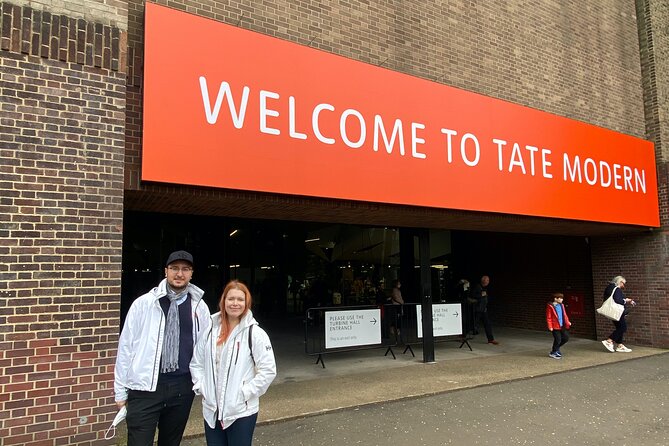
Tate Modern can feel like several museums stacked together. You can easily end up in the wrong room for your interests, or in a gallery that is too quiet and too abstract to decode on your own.
This tour solves that with a small-group structure and a guided conversation format. You should find it easier to ask follow-up questions. Reviews repeatedly call out that the time flies, with people surprised by how much they learn in a short slot.
I also like that the tour is designed to work for different traveler types:
- Couples who want a shared conversation during the visit
- Solo travelers who want guidance without feeling like they are in a crowd
- Families, including kids who need engagement and simple prompts that still respect their intelligence
- Groups and team-building, where discussion-based learning is a better fit than passive touring
And because it ends back at the meeting point, you are free to keep going immediately. You can treat the tour like a strong warm-up, then spend the rest of your time in the galleries that grabbed you most.
Practical Tips for Your Visit to Tate Modern
To get the most from this kind of guided highlights tour, I would plan your day around it.
Build around a 2-hour block
Since the tour is about 2 hours, treat it like the anchor event. Afterward, you will probably want to return to at least one area you found meaningful. If you schedule a long dinner right after, leave buffer time for walking and the museum’s internal flow.
Use the luggage storage
One included benefit is free luggage storage. If you arrive with bags, you can roam more comfortably. Even if you have small day packs, free storage can make the museum feel less like logistics and more like art.
Go in curious, not prepared
The tour is welcoming to people with no prior art knowledge. That does not mean you should show up with zero curiosity. It does mean you do not need to memorize art terms before you start. The guide helps you build the ability to look and describe what you see.
Bring the right mindset for contemporary art
The tour focuses on whether you need to like what you see to understand it, and whether art can change the world. That is a clue about what to bring in your head. Be ready to hold two thoughts at once:
1) You can have a reaction.
2) That reaction can improve when you learn the context.
If you do that, the tour is likely to feel fun, not intimidating.
Who Should Book This Tate Modern Art Historian Tour
Book it if you want a guided way to tackle contemporary and modern art without getting lost. This is especially strong for you if any of these sound like you:
- You think you do not like modern art, but you still want to understand it
- You want a method for talking about art, not just facts
- You are short on time and need a smart highlights plan
- You are traveling with kids and want engagement that does not talk down
- You like discussion-led tours where your thoughts matter
It might not be the best fit if you want a self-directed, slow museum day where you can spend 30 to 45 minutes with each piece. In that case, you can still enjoy the museum, but a tour like this will only be one piece of your plan, not the whole day.
Should You Book This Tate Modern Tour?
Yes, you should book this if you want your Tate Modern visit to feel clearer by the end of two hours. The combination of free admission, an art historian guide, and an interactive approach makes it easier to turn confusion into conversation. The small group cap also helps you get personal attention instead of being lost in a crowd.
The only reason not to book is if you already know you want a very independent, long-form museum day. In that case, you would likely spend more time wandering and less time discussing, which is not what this tour is designed for.
If you are on the fence, here is the simple test: do you want help seeing art better, fast? If yes, book it. If you already know exactly which areas you want to target and you prefer silence and solitude, you may be happier doing Tate Modern on your own first.
FAQ
How long is the Tate Modern art historian tour?
It runs for about 2 hours.
What does the tour cost, and is museum entry included?
The price is $137.12 per person, and admission to Tate Modern is included.
Is the tour in English?
Yes, it is offered in English.
How big is the group?
The tour has a maximum of 10 travelers.
What is included during the tour?
You get the museum entry ticket, time with an art historian, a highlight of Tate Modern’s collection, free luggage storage, and a photo or two in front of chosen artworks.
Are temporary exhibitions included?
No, paid-for temporary exhibitions are not included.
Where does the tour start and end?
It starts at Tate Modern, London SE1, UK, and ends back at the meeting point.
What if the tour needs to be canceled due to weather or the minimum number of travelers?
The experience requires good weather. If it is canceled due to poor weather, you will be offered a different date or a full refund. It also requires a minimum number of travelers, and if it does not meet that minimum, you will be offered a different date or a full refund.
Is prior art knowledge required?
No prior art knowledge is required, and everyone is welcome.
Latest to join the queue for London







London Tours & Activities, compared.

Stonehenge, Windsor Castle, and Bath from London
Read our review →
London Big Bus Hop-On Hop-Off Tour with Optional River Cruise
Read our review →
London Small Group Tour of Historical Pubs
Read our review →
Stonehenge, Windsor Castle and Bath with Pub Lunch in Lacock
Read our review →
Tower of London and Crown Jewels Exhibition Ticket
Read our review →

Stonehenge, Windsor Castle and Bath Full Day Guided Tour
Read our review →