
Reviewed · STONEHENGE TRIPS
Prehistoric Britain: Ancient Caves, Stonehenge & Haunted Forest
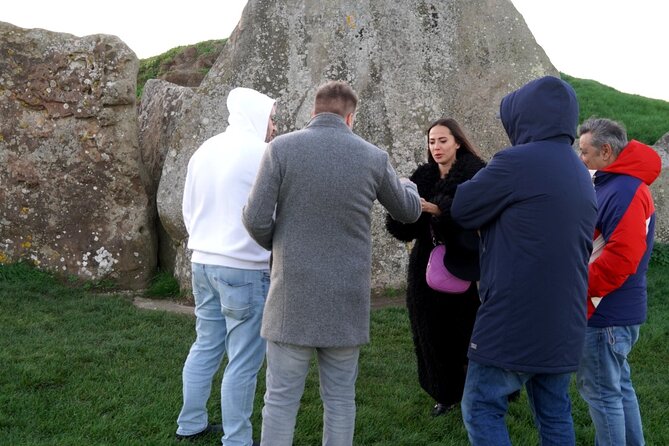
Prehistory has a habit of feeling bigger than life. This private day strings together the kind of sacred sites you normally have to piece together yourself, from bluebell woods to the oldest stone circle in Europe. I love that the route keeps you moving through quieter places before you hit the big headline site, and I love the way the experience is guided with personality, not just facts.
One thing to think about is the pace. It’s about 10 hours in total, with walking between several outdoor locations, and the tour notes a moderate fitness level.
In This Review
- Key highlights you will feel right away
- A prehistoric day that starts in the woods, not the hype
- West Woods: the May bluebell start that sets your mood
- Silbury Hill and the Neolithic scale that feels unreal
- West Kennet Long Barrow: ceremonial space and the “haunted” thread
- Avebury: the oldest stone circle feeling different from the Stonehenge rush
- Wayland’s Smithy: an isolated Neolithic tomb for quieter wonder
- Stonehenge at the end: see it with fresh context
- Picnics, brunch, and the private-group advantage
- How the 10-hour schedule plays in real life
- Value: what you pay, what you get, and who benefits most
- Who this tour fits best (and who should consider alternatives)
- Practical tips before you go
- Should you book Prehistoric Britain: Ancient Caves, Stonehenge & Haunted Forest?
- FAQ
- How long is the tour?
- Is this a private tour?
- What is the group size limit?
- What is the price?
- Are admission tickets included?
- Is brunch included?
- Is there a mobile ticket?
- Is pickup available?
- What fitness level is needed?
- What happens if the weather is poor?
Key highlights you will feel right away
- West Woods bluebells in May is the calm start, great for a slow walk and a picnic
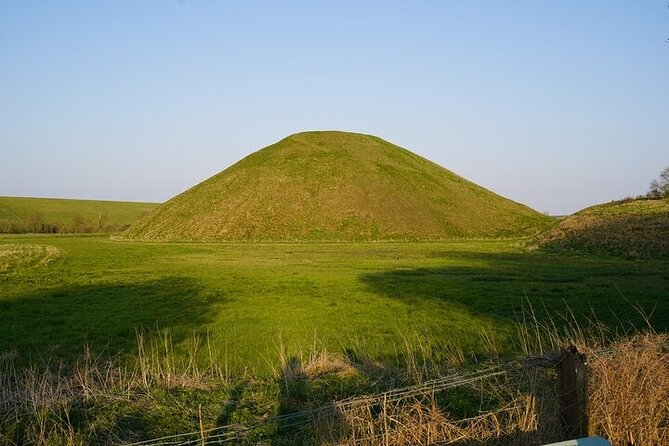
- Silbury Hill lets you stand before Europe’s largest artificial mound, tied to Neolithic scale
- A haunted cave stop is built into the day for the bravest explorers
- Avebury is the older stone-circle moment, with a quieter feel than the usual rush
- Wayland’s Smithy gives you a lonely, story-rich tomb stop before the final showdown at Stonehenge
- Stonehenge time set aside so you can see it properly after the rest of the day sets context
A prehistoric day that starts in the woods, not the hype
Most Stonehenge trips start and end with Stonehenge. This one flips the script. You begin in the North Wessex Downs, at an ancient woodland spot called West Woods, where the big seasonal detail is the bluebells. If you’re going in May, you get sky-blue color across the land, and it makes the whole day feel like you are stepping into a different Britain than the city outside London.
This early hour matters more than it seems. You ease into the countryside without jumping straight into crowds or crowds’ energy. There is also time for a walk and a picnic here, which is a nice reset. You are not just consuming sites, you are taking the landscape in, then moving on.
More Ghost Walks in London

West Woods: the May bluebell start that sets your mood
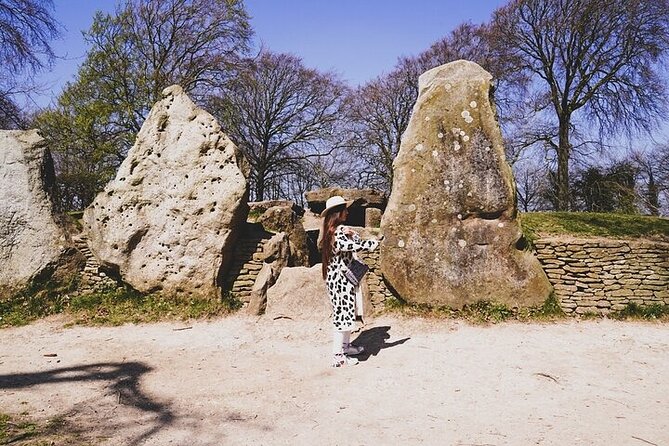
At Stop 1, you spend about an hour in West Woods. The tour’s best timing cue is simple: May. Bluebells are listed as the star, covering the land like a blanket. Even if you visit outside peak bloom, an ancient woodland stop is still a practical choice. It gives you shade, softer ground in some spots, and a breather before your day turns into stone and hill work.
What I like about this start is how it changes your brain. Prehistoric Britain can sound spooky on paper, but in a quiet woodland it turns more thoughtful than theatrical. You can take photos, but also just listen and look. This is where you start getting the sense that these places were made for rituals tied to seasons, not for Instagram alone.
The only real downside to plan around is weather. The tour says it needs good weather. If it’s wet, the woodland walk may feel less pleasant, so pack for mud and damp.
Silbury Hill and the Neolithic scale that feels unreal
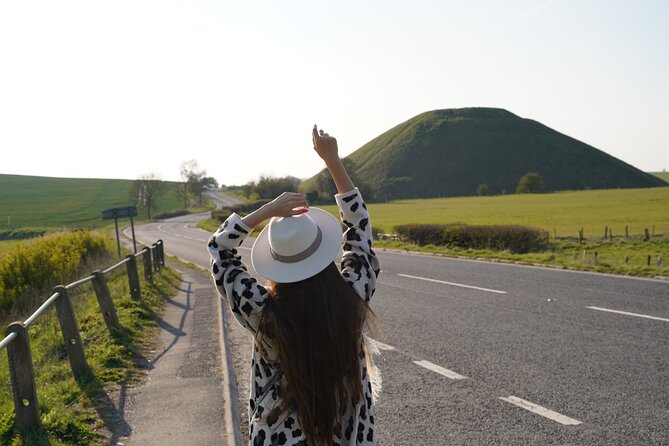
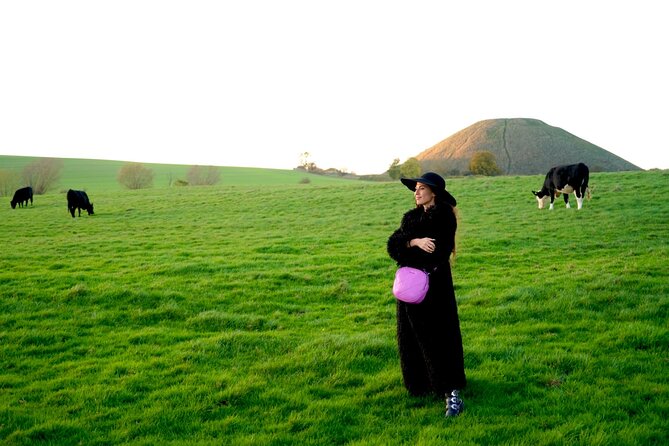
Next up is Silbury Hill. You get around an hour here, and the big draw is its size and age. The tour frames Silbury as the largest artificial mound in Europe, with scale and age compared to Egyptian pyramids. That comparison is there because it helps you grasp how huge this undertaking was for the people who built it.
If you are used to thinking of pyramids as “ancient big monuments,” Silbury Hill is the place that corrects your mental map. It is not a building that dominates a skyline from a distance only. It is a statement you approach, walk around, and try to understand with your own body there in the Neolithic landscape.
After Silbury, the day turns into mystery. You head toward the largest Neolithic cave used for ancient ceremonies, and it is specifically described as having a reputation for haunting. This is where the tour gives you more than sightseeing. You get a story-driven moment that invites you to imagine how people might have used dark, enclosed spaces for ritual.
A consideration: caves can mean uneven ground, cooler air, and crowds of your own thoughts. If you are sensitive to enclosed spaces or you are traveling with someone who is not into spooky stuff, you can still appreciate the historical idea of ceremony here without treating it like a horror set.
West Kennet Long Barrow: ceremonial space and the “haunted” thread
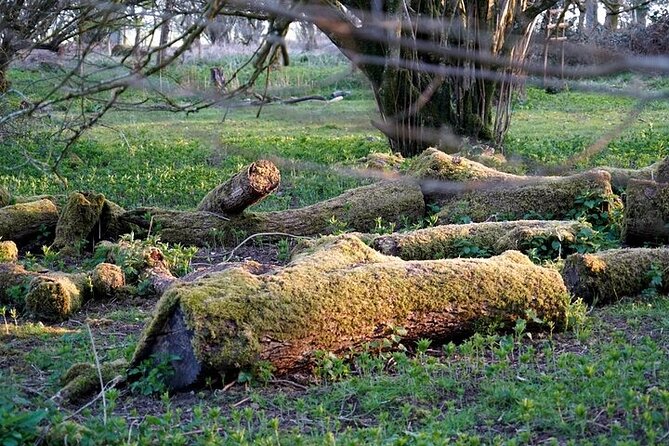
The next stop is West Kennet Long Barrow, also described as part of the Neolithic ceremonial story. You get about an hour here, and the framing connects this stop to that same idea of caves and ceremony, plus its haunted reputation.
This portion of the day tends to work well because it turns the tour’s themes into a physical feeling. Instead of just looking at stones, you experience the sense of intentional space. A long barrow is not just an object. It is a place meant for bodies, entry, and time inside dark architecture.
If you like tours where your guide tells you both what is known and what people speculate, this is the sort of stop that encourages that balance. The listing notes you will explore places and theories, and the reviews support that your guide explains history and theories for each site. The key is that you come away with more than one storyline, so you can decide what feels convincing to you.
Avebury: the oldest stone circle feeling different from the Stonehenge rush
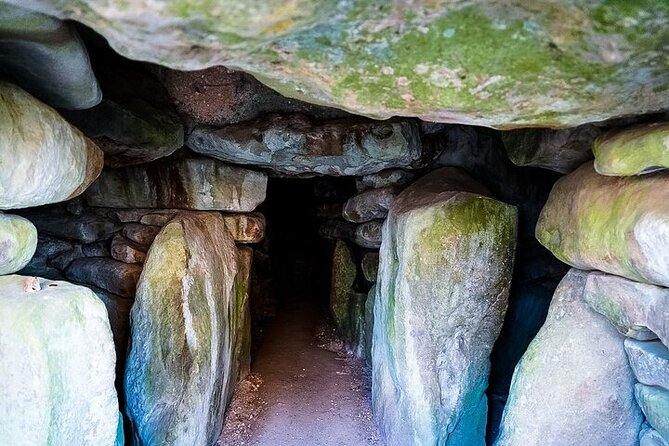
By the time you reach Avebury, the day has already given you context. You’re not just looking at stones. You are looking at a deeper layer of how stone circles were used and understood over time.
Avebury is positioned as the oldest stone circle in the world, even older than Stonehenge, used for “peculiar religious rituals” more than 5000 years ago. That wording may sound dramatic, but the practical effect is clear. Avebury feels like a place built for ritual and movement, not a single photo point. Even without getting into myths, the scale and arrangement make it feel like an old stage, one that was part of community life.
One big win here is time management and attention. Your stop is about an hour, and it is marked as Admission Ticket Free on this tour. That saves you money on top of the other ticket inclusions. More importantly, free admission here signals the tour’s balance. It’s not trying to nickel-and-dime you across every site, which helps the overall value make sense.
The drawback? Avebury is outdoors. You will still want sensible footwear and layers, especially if the weather is changeable.
More gaslit lanes after dark:
- The Original Jack the Ripper : Guided Tour★ 5.0 · 1,264 reviews
- Ghost Bus Tour of London★ 4.0 · 961 reviews
- Ghastly Ghost Walking Tour in London★ 5.0 · 878 reviews
- Jack the Ripper Walking Tour in London★ 5.0 · 354 reviews
Wayland’s Smithy: an isolated Neolithic tomb for quieter wonder
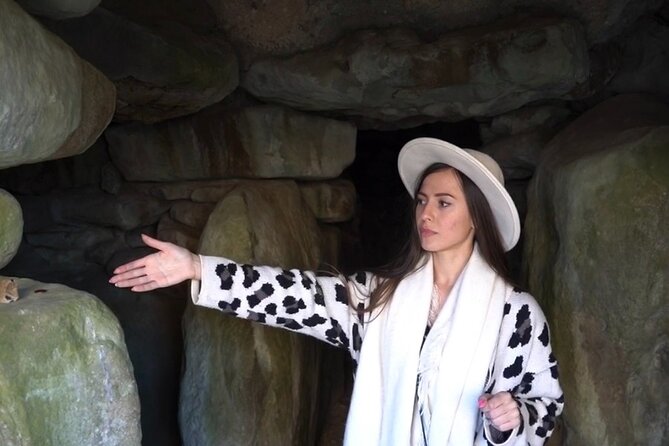
Next is Wayland’s Smithy, a Neolithic stone tomb described as isolated, surrounded by mystical stories. You get about an hour here and it is included as a ticketed stop.
This is a great breather after Avebury. The tone shifts from open stone-circle space to a more secluded, story-loaded site. “Isolated” is the operative word. It helps the day feel less like a checklist and more like a journey through different types of sacred locations.
If you enjoy folklore even more than archaeology, this is likely one of your favorite stops. The tour explicitly frames it with mystical storytelling, and reviews describe the day as spiritually enlightening and witchy. That does not mean it becomes costume theatre. It means the guide’s approach can bring character to the setting, especially at places like Wayland’s Smithy where stories cling naturally.
Stonehenge at the end: see it with fresh context
Finally, you reach Stonehenge, with about two hours to explore. Two hours matters. Many short tours give you a rushed look, then you’re herded away. Here, you have time to take it in after you’ve already stood at sites tied to Neolithic ceremony and even the idea of older stone-circle traditions.
Seeing Stonehenge last changes how you read it. Before you arrive, you have already encountered mounds, barrows, and a stone circle that predates the famous one. That makes Stonehenge feel less like the beginning of the story and more like the well-known chapter.
You also have the rest of the day’s mood in your body. If the morning was woodland calm and the afternoon turned mystical and cavern-dark, then Stonehenge becomes the place where all those themes meet in daylight.
Picnics, brunch, and the private-group advantage
Food in a long day is not a small detail. It can make or break your energy.
This tour includes brunch, and it also has a picnic in the forest scheduled after the woodland stop. Even if you normally skip included meals on tours, this one is structured so you do not need to keep hunting for food between stops.
The private-group setup helps too. It’s designed for up to 4 people per group, and the tour is private, so it is just you and your group, not a bus of strangers. That matters in places like these, where the pace of conversation and the willingness to linger can make the experience feel personal instead of mechanical.
Pickup is also offered, and you get a mobile ticket, which makes the day easier to manage once you’re on the move.
How the 10-hour schedule plays in real life
The full duration is about 10 hours. That is long enough that you should treat this like a day hike, just with archaeology.
You are moving between multiple outdoor stops:
- woodland and picnic time
- mound and cave-based stops
- long barrow and stone circle exploration
- an isolated tomb
- a longer final visit at Stonehenge
Because of that, plan for:
- sun and shade swings
- uneven outdoor paths and stone surfaces
- time spent waiting at entry points
The tour says it suits people with moderate physical fitness. So if your group is comfortable walking for stretches and standing for photos, you should be fine. If you need frequent long rest breaks, you might want to ask your operator what the walking looks like day-of, since the listing only gives the fitness-level guidance, not mobility accommodations.
Value: what you pay, what you get, and who benefits most
At $2,920.80 per group for up to 4, you are paying for a private guide, tickets, and a full-day route that connects major sites without you having to coordinate transport. If you split it across four people, the cost per person becomes more reasonable, and you also gain the advantage of a day built around your group’s rhythm.
What you get that feels genuinely value-heavy:
- a professional guide
- admission tickets included for listed stops
- brunch
- a built-in picnic moment
- pickup offered
- mobile ticket convenience
Also, the price reflects more than entries. It covers the kind of day where the order of stops matters. Your route builds mystery and meaning before Stonehenge, so the final visit feels like a payoff instead of a starting line.
This is best for couples, small families, or a tight group of friends who want a guided prehistoric day and like the idea of storytelling with historical framing.
Who this tour fits best (and who should consider alternatives)
You will probably love this if you:
- want more than Stonehenge as a single stop
- enjoy sites that feel spiritual or story-rich, without losing the educational side
- prefer a private group day with a guide who can tailor the pace
It’s also a good match for people who like a friendly guide vibe. One reviewed guide, Valery, is described as personable and the day felt more like hanging out with a friend than dealing with a stranger. That kind of guide energy matters on tours that rely on atmosphere, like haunted caves and folklore-heavy tombs.
Who might think twice:
- anyone who struggles with a long outdoor day
- anyone who does not want a spooky cave reputation included in the itinerary
- groups sensitive to weather changes, since the tour requires good weather
Practical tips before you go
Pack like you are going to walk around prehistoric sites in unpredictable English conditions:
- good walking shoes for grass, hills, and stone surfaces
- layers for temperature swings between open hills and enclosed cave spaces
- a light rain layer, because “good weather only” still means weather can turn
- a camera, but also allow time to look without photographing everything
Bring water and snacks if you are the type who gets hungry between food moments. Brunch and a picnic are included, but with a long day you might still want backup energy, especially if you walk slowly and linger.
Should you book Prehistoric Britain: Ancient Caves, Stonehenge & Haunted Forest?
If your dream is Stonehenge plus the surrounding prehistoric web of mounds, circles, barrows, and cave ceremony, this booking makes sense. The biggest reason is the order of the day. You start in woodland calm, move through Neolithic monuments and ceremonial spaces, and only then reach Stonehenge with context already in your head.
If you want the simplest possible Stonehenge only day, this may be more than you need. But if you like learning, walking, and feeling the mood of the countryside, this is a strong fit.
One last decision tip: book it when you can plan for good weather and when your group is comfortable with moderate walking. With that in place, you’ll get a rare mix of ancient sites and story-driven mystery, and it’s delivered in a private, small-group way.
FAQ
How long is the tour?
The tour is about 10 hours long.
Is this a private tour?
Yes. It is private, so only your group participates.
What is the group size limit?
The group size is up to 4 people.
What is the price?
The price is $2,920.80 per group.
Are admission tickets included?
Yes. Tickets are included, and admission tickets are noted for multiple stops.
Is brunch included?
Yes. Brunch is included.
Is there a mobile ticket?
Yes. The tour offers a mobile ticket.
Is pickup available?
Pickup is offered.
What fitness level is needed?
The tour asks for travelers with a moderate physical fitness level.
What happens if the weather is poor?
The experience requires good weather. If it is canceled due to poor weather, you will be offered a different date or a full refund. Cancellation is free up to 24 hours in advance for a full refund.
Standing Stones on the Plain
- Stonehenge, Windsor Castle, and Bath from London
★ 4.5 · 18,662 reviews - Stonehenge, Windsor Castle and Bath with Pub Lunch in Lacock
★ 4.5 · 7,402 reviews - Stonehenge, Windsor Castle and Bath Full Day Guided Tour
★ 4.5 · 5,346 reviews - Windsor Castle, Stonehenge, and Oxford Day Trip from London
★ 4.5 · 5,292 reviews
Latest to join the queue for London



Stonehenge Trips, compared.
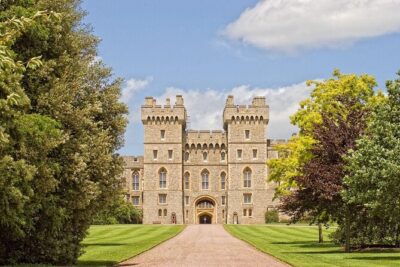
Stonehenge, Windsor Castle, and Bath from London
Read our review →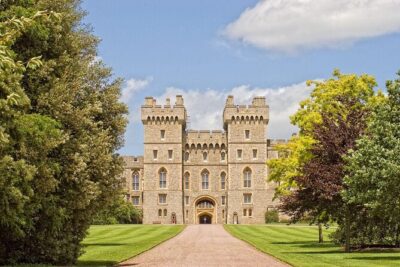
Stonehenge, Windsor Castle and Bath with Pub Lunch in Lacock
Read our review →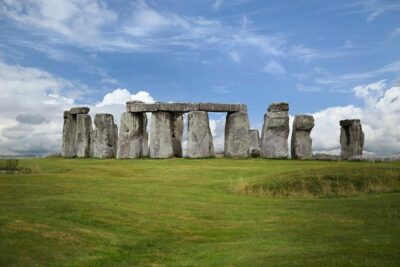
Stonehenge, Windsor Castle and Bath Full Day Guided Tour
Read our review →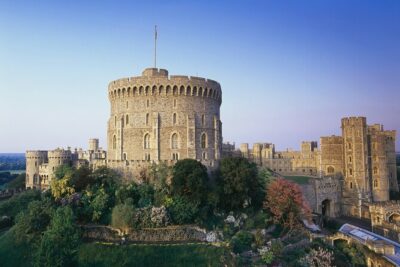
Windsor Castle, Stonehenge, and Oxford Day Trip from London
Read our review →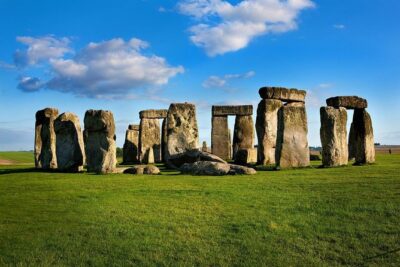
Windsor, Stonehenge and Bath Day Trip from London Spanish
Read our review →Windsor Castle, Stonehenge, and Oxford Day Trip from London
Read our review →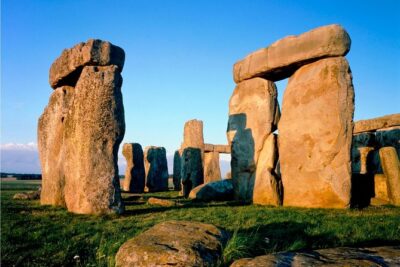
Stonehenge and Bath Day Trip from London with Optional Roman Baths Visit
Read our review →Browse the lists this tour appears in