
Reviewed · MUSEUMS
Oxford Illusion Museum
Oxford Illusion Museum is a fast, fun burst of oddball science. This is Oxford’s newest interactive experience, built around rooms that flip your expectations, plus hands-on tricks that make you look like you know what you’re doing.
I especially liked the photo-friendly setup, with staff who help you get the best shot inside the key scenes. I also like that it feels genuinely all-ages, with kids and adults moving through the same illusions side by side.
One thing to consider: on very busy days, you may hit queues, and the space can feel tight around groups and families.
In This Review
- Key things to know before you go
- Oxford Illusion Museum in 45 Minutes: What You Actually Do
- Price and Value: Is $19.24 Worth It?
- Getting There Fast: Mobile Ticket and Oxford Timing
- The Upside Down Room: Quick Fun and Better Photos
- Infinity Dodecahedron: The Moment Your Brain Tries to Catch Up
- Glowing Wands and Hands-On Play That Doesn’t Feel Cringey
- Inversion Goggles: When the World Feels Reversed
- Staff Support: Friendly Help That Improves Your Visit
- Who This Experience Fits Best (And Who Might Skip)
- Timing Matters: Busy Days and Queue Reality
- Practical Tips So You Leave With the Best Memories
- Should You Book Oxford Illusion Museum?
- FAQ
- How long is the Oxford Illusion Museum experience?
- What is the price per person?
- What are the opening hours?
- Is a mobile ticket used?
- Where is it located in relation to transport?
- What should my physical readiness be like?
- Are service animals allowed?
- How far in advance should I book?
- Can I cancel for a full refund?
Key things to know before you go
- Upside down room designed for instant, funny photos
- Infinity dodecahedron for a mind-bending visual moment
- Glowing wands that turn play into a real activity
- Inversion goggles that make the world feel switched
- Staff photo help that can improve your results fast
- Short visit length that makes it easy to fit into a day
Oxford Illusion Museum in 45 Minutes: What You Actually Do

This is not a long museum crawl. Plan for about 45 minutes on site, and treat it like a concentrated activity break in Oxford. The structure is simple: you move through a set of interactive illusion rooms where the goal is part entertainment, part playful experimentation, part picture taking.
If you like experiences where you can jump in immediately, you’ll appreciate the pacing. The “newest interactive experience” angle also matters here, because it feels designed for modern social sharing, with scenes that read clearly in photos and videos.
The big benefit of the short format is decision-making. You can pair it with a wider Oxford plan without worrying that one ticket will swallow your afternoon. The tradeoff is also real: if you want lots of time to linger, or you prefer deep explanations, this visit may feel quick.
More free halls and paid exhibitions:
Price and Value: Is $19.24 Worth It?
At $19.24 per person, the value comes from three things: the interactive format, the photo potential, and the all-ages appeal.
First, you’re paying for an experience where you actively do something, not just look at displays. The illusions include motion and visual effects (like inversion goggles), plus hands-on play elements (like glowing wands). That kind of ticket tends to justify the cost because you leave with memories you helped create.
Second, the experience is set up for cameras. Reviews repeatedly highlight how easy it is to capture good images, and the staff step in to help with that. If you care about Instagram and TikTok style content, this will likely feel like a bargain.
Third, it works across generations. Kids love the silliness. Adults often enjoy it more than they expect because the mechanics are fun, not awkwardly technical.
Where the value can slip is timing. If you arrive during peak crowding, your time may be partially spent waiting. Still, since the visit is short, even a delay usually doesn’t turn into a lost half-day.
Getting There Fast: Mobile Ticket and Oxford Timing

This experience uses a mobile ticket, so you can keep everything on your phone. That makes it easier to run from other Oxford stops without hunting for paper confirmations.
It also runs in a clearly defined window: during the listed period, it operates Monday to Friday, 10:00 AM to 5:00 PM. Since the data only confirms weekdays, I’d plan around that and avoid assuming weekend hours.
On how far ahead to book, the average booking timing is about 5 days in advance. That’s not a promise, but it does suggest you’ll have a smoother experience if you reserve before you show up, especially if you’re aiming for a specific time.
And because it’s noted as near public transportation, it’s a good pick if you don’t want your plan to depend on taxis or lots of walking across town. If you’re already using trains or buses for your Oxford day, this can slot in naturally.
The Upside Down Room: Quick Fun and Better Photos

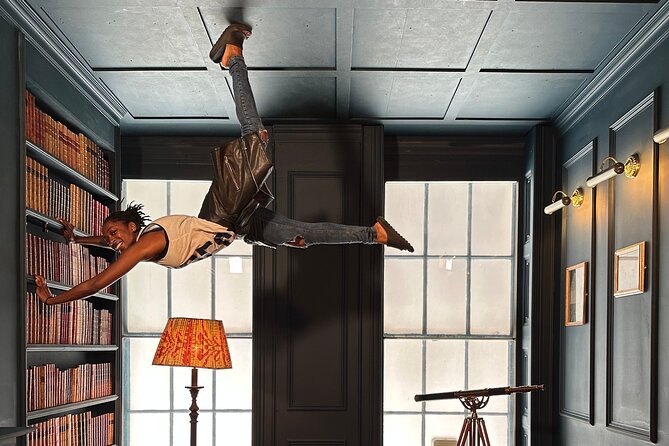
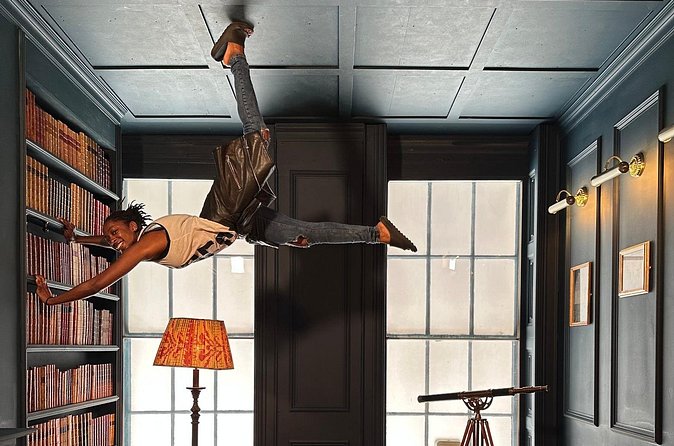
The upside down room is the headline for a reason. It’s built for instant reactions, with a setup that looks striking on camera and feels silly in person, which is exactly what interactive illusion rooms should do.
What I find smart is that the experience doesn’t just assume you know how to pose. Reviews mention staff who actively help, including someone described as a team guy who ensured a great image at the upside down house. That kind of help is a big deal, because getting a good photo in an upside down scene is harder than it looks. The angle, the framing, and where you stand all affect whether the illusion reads properly.
If you want the best results, give yourself a little time for re-tries. Even within the short visit, take a few minutes to walk around and adjust your position. The staff direction can help you avoid wasted attempts.
Infinity Dodecahedron: The Moment Your Brain Tries to Catch Up
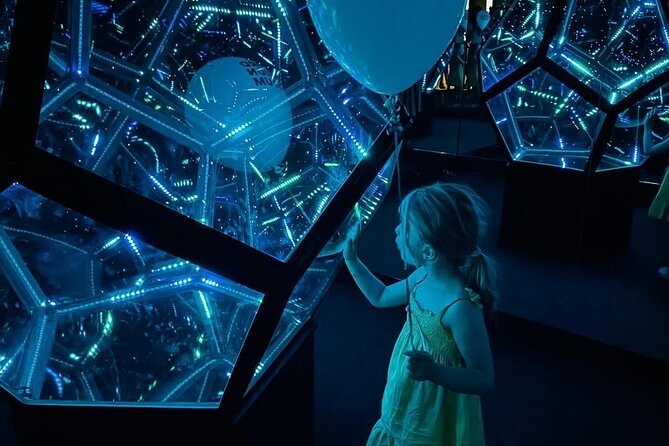
One of the standout illusion elements is the infinity dodecahedron. This is the sort of display that creates a strong visual effect without needing a long explanation. You look, you react, and you immediately want another angle.
The practical value here is that it works for different moods. If your group is split, some people may want silly photos and others may want a more “wow” visual. This scene gives both.
Also, it’s a nice pacing break between more physically playful parts (like glowing wand activities) and the heavier “how is that even possible” feeling of inversion goggles. Think of it as the in-between wow.
Also on in Oxford, no fuss
- Oxford University Walking Tour With University Alumni Guide★ 5.0 · 6,905 reviews
- Oxford Castle and Prison Guided Tour★ 5.0 · 1,402 reviews
- 1.5-hour Oxford City and University Walking Tour★ 4.5 · 1,383 reviews
- Oxford Official University & City Tour★ 5.0 · 1,134 reviews
Glowing Wands and Hands-On Play That Doesn’t Feel Cringey
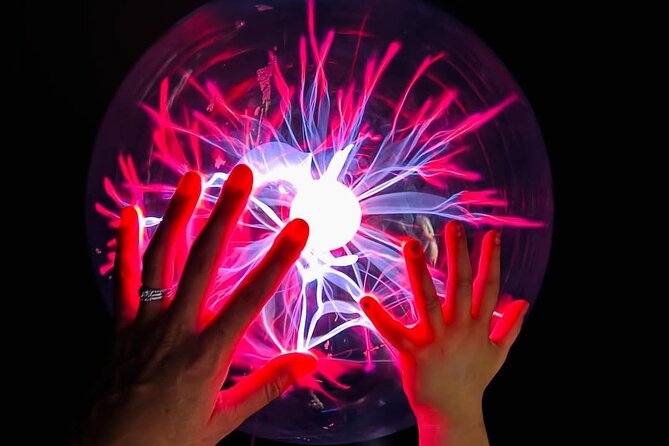
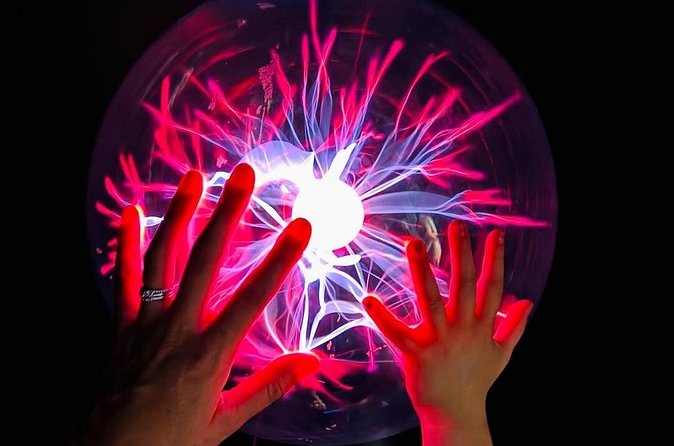
The glowing wands add a play element that makes the experience feel more active than passive. Even if you’ve seen lots of illusion rooms before, glowing props typically make the interaction feel more game-like, and that matters when kids are involved.
This is where the museum hits its all-ages promise. Reviews describe an age group around 6 to 11, and both kids and adults enjoyed the variety. That tells me the wand activity is not just for small children. It likely works as a “everyone can try this” moment.
Tip for adults: treat it as a prompt, not a performance. If you jump in with the kids energy for a few minutes, the whole visit becomes easier and more fun, even if you’re usually the person who takes photos rather than makes funny poses.
Inversion Goggles: When the World Feels Reversed

Then come the inversion goggles, where the world feels flipped. This is the illusion that tends to create the strongest reactions because your brain has to adjust in real time.
Why that matters for you: visual illusions feel different from puzzles or rides. With inversion goggles, you get a quick “wait, what?” effect, and that’s exactly what makes it memorable after you leave the building.
If you’re going with someone who’s skeptical, this is a good middle point. It’s interactive enough to win them over, but it doesn’t require you to be athletic or highly coordinated. You do need to move carefully while wearing goggles, so keep an eye on your footing and give yourself a moment to adjust.
Staff Support: Friendly Help That Improves Your Visit
A repeated highlight in the feedback is friendly, helpful staff who make it easier to get the most out of each illusion room.
This support can show up in practical ways:
- They help you understand how to position yourself for a photo
- They guide you to get the illusion effect clearly on camera
- They keep the flow moving so you don’t get stuck
One review explicitly notes staff showing how to get good photos from the exhibits. Another mentions that help in the upside down house led to a great image. That tells me the staff isn’t just supervising. They’re actively coaching.
For you, that means fewer frustrating attempts. You spend more time enjoying the illusions and less time guessing how to make them work.
Who This Experience Fits Best (And Who Might Skip)
This museum is set up as fun for all ages, and the reviews back that up. It’s especially good for:
- Families with kids who want something hands-on and silly
- Grandparents who enjoy interactive, low-stress activities
- Adults who want a short, photo-ready stop in Oxford
I’d also say it fits well for groups where people have different interests. One person can focus on filming. Another can focus on the visual wow moments. The museum supports both.
What about people who might not love it? If you want a museum with deep historical context or long reading time, this isn’t the format. It’s built around quick interaction and visual effects. If that matches what you’re after, you’ll probably have a great time.
Also, there’s a moderate physical fitness level noted. That doesn’t mean it’s hard, but it does suggest you’ll be on your feet moving through rooms and standing for photos.
Timing Matters: Busy Days and Queue Reality
The biggest practical drawback to plan around is queuing. One review describes lots of waiting when it was very busy, and mentions cramped behavior around parents with kids taking over space.
So what should you do? If you have flexibility, try to go earlier in the day during open hours. That approach reduces your chance of spending your best photo moments behind a crowd.
If you’re visiting as a family, use the waiting time strategically. Keep kids close, keep the mood upbeat, and treat the wait as part of the adventure. It’s short enough that a little patience can pay off when you finally get into the upside down room and inversion goggles.
Practical Tips So You Leave With the Best Memories
This experience is simple, but you’ll get better results with a few smart habits.
Wear something you can move in. You’ll be transitioning between rooms and likely stepping into fixed photo areas.
Plan for 40 to 45 minutes of real time. One review notes 40 minutes max, which aligns with the stated duration. Don’t schedule it as a last-minute bolt-on if you have a tight bus or train connection.
Bring your camera instincts. Even if the staff helps, you’ll still want to take your own shots. Try a wide angle once, then do a close-up where the illusion effect looks strongest.
Go for one or two re-takes. The upside down room and inversion goggles tend to look best when you adjust your position. You’re not wasting time, you’re improving the illusion.
Should You Book Oxford Illusion Museum?
I’d book it if you want a short, interactive, photo-friendly activity in Oxford that works for kids and adults alike. The combination of the upside down room, infinity dodecahedron, glowing wands, and inversion goggles makes it feel varied, even within a 45-minute visit.
Book it especially if you value staff guidance, since multiple reviews mention friendly help and photo coaching. That support can turn a good visit into a great set of images.
I might skip it if you dislike crowds, because busy days can bring waiting and tight space. I’d also skip it if you’re seeking long-form museum depth, this is an illusion playground built for quick delight.
If you do book, pick a weekday during opening hours and aim for a less crowded time. That’s how you get the most fun per minute.
FAQ
How long is the Oxford Illusion Museum experience?
It runs for about 45 minutes.
What is the price per person?
The price is $19.24 per person.
What are the opening hours?
During the listed operating period, it is open Monday to Friday from 10:00 AM to 5:00 PM.
Is a mobile ticket used?
Yes, you receive a mobile ticket.
Where is it located in relation to transport?
It is near public transportation.
What should my physical readiness be like?
The experience notes a moderate physical fitness level.
Are service animals allowed?
Yes, service animals are allowed.
How far in advance should I book?
On average, it is booked about 5 days in advance.
Can I cancel for a full refund?
Yes, you can cancel for a full refund up to 24 hours before the experience start time.
Latest to join the queue for Oxford







Museums, compared.

Tower of London and Crown Jewels Exhibition Ticket
Read our review →

Official tickets: Moco Modern & Contemporary Art Museum
Read our review →
British Museum London Guided Tour Semi-Private 8ppl Max
Read our review →
The British Museum London – Exclusive Guided Museum Tour
Read our review →

Skip the Line: Liverpool Beatles Museum – The perfect tribute to the Beatles
Read our review →Browse the lists this tour appears in