
Reviewed · DESSERT TOURS
Melt Chocolate’s Magical Master Class
Chocolate turns science class into dessert. Melt Chocolates Magical Master Class is the rare London experience where you learn bean-to-bar technique and then eat the results. I love the small group size (maximum 6), and I love that the class is hands-on all the way, from cracking cocoa beans to tempering and enrobing. One thing to think about first: you are responsible for getting yourself to Ledbury Road in Notting Hill, since transport is not included, so plan your route ahead.
The best part is how the chocolate-making stages are taught like a skill, not a performance. You’ll grind cocoa beans using a pestle and mortar, taste at different stages so you can notice how flavor develops over time, then temper and shape your own bar using provided materials. The class also weaves in chocolate history, including how the Aztecs used cocoa, which makes the whole session feel grounded and not just sweet.
If you’re short on time, this is also one of those 3 hour activities that can feel like a full-day workout for your brain. You’ll move through multiple techniques, make multiple items, and leave with a ready-to-gift haul, so it’s best for people who enjoy learning by doing.
In This Review
- Key things to love about Melt’s chocolate master class
- Melt Master Class in Notting Hill, what you actually learn
- 3 hours, maximum 6 people, and why the group size matters
- From cocoa beans to chocolate bar: the hands-on start
- Tempering and shaping your bar: learn the step that affects texture
- Ganache and bonbons: turning one technique into a full dozen
- Praline bonbon: crunchy texture lessons
- Dark chocolate bars: you make two, not just one
- Taste testing across the process, and why it sticks
- What you take home: gifts, packaging, and the practical win
- Price and value: is $204.39 worth it?
- Best fit: who should book this class, and who might skip it
- Getting there and making the most of the 3 hours
- Should you book Melt’s Magical Master Class?
- FAQ
- What is the duration of Melt Chocolates Magical Master Class?
- Where does the class take place?
- How much does it cost?
- What group size can I expect?
- Is the class offered in English?
- What does the class include?
- What items will I make?
- Do I need to bring ingredients or materials?
- Is transport included?
- What is the cancellation policy?
Key things to love about Melt’s chocolate master class
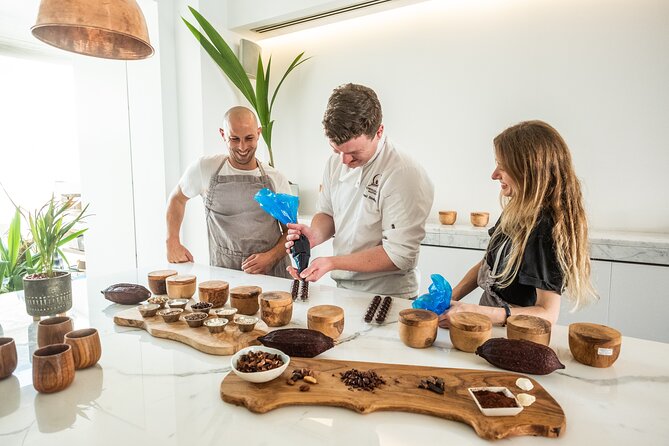
- Small group, more attention: Maximum 6 people, so you get real coaching instead of standing on the sidelines
- True bean-to-bar steps: You crack and winnow cocoa beans, grind them, and make your own bar
- Temper and shape skills: You learn the process that gives chocolate its texture and snap
- Hands-on ganache and bonbons: You make a dozen bonbons with provided ingredients and materials
- A class built around taste: You taste the chocolate at stages to understand flavor change over time
- Take-home packaging: You leave with your bar, plus Melt packaging and a designer bag
Melt Master Class in Notting Hill, what you actually learn
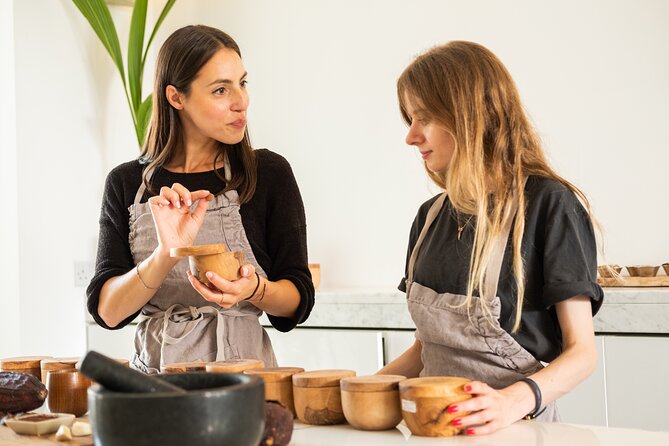
Melt Chocolates Magical Master Class is built like a chocolate workshop, not a studio show. The focus is on technique: how chocolate transforms from raw cocoa beans into finished sweets with the right look, texture, and flavor. You’ll learn multiple methods in one session, including making chocolate bars from cocoa beans, preparing ganache, and using tempering so your chocolate sets properly.
What I like about this format is that it gives you a mental map. Instead of only learning one step (like tempering) you connect the chain of decisions: roasting or grinding taste, how cocoa flavors change as you process them, then how tempering affects the final eating experience. That makes the class feel useful even after you’re back home.
It also takes place in the heart of Notting Hill, which helps the experience feel like more than a kitchen lesson. You’re in a real neighborhood setting, so it’s easier to pair with nearby sightseeing if you’re coming to London for more than just chocolate.
Also on in London, no fuss
3 hours, maximum 6 people, and why the group size matters
This class runs about 3 hours and keeps the group small, with a maximum of 6 travelers. For a hands-on food experience, that matters more than you’d think. When there are fewer people, you get clearer guidance during the sticky, technical parts like tempering and enrobing, and you can ask questions without feeling rushed.
It also changes the vibe. A small group makes it easier to learn at your pace, and it keeps the room moving steadily rather than waiting your turn. If you’re the type who likes to understand why something works, small-group teaching helps a lot.
On logistics, the class is offered in English, and you’ll get a mobile ticket. You’ll also receive confirmation at the time of booking, which is handy when you’re juggling multiple London plans.
From cocoa beans to chocolate bar: the hands-on start
The journey begins with cocoa beans, and it’s more active than most people expect. You’ll crack and winnow cocoa beans, then grind the beans using a pestle and mortar. Those steps are key because they show you what “making chocolate” really means. You’re not just melting chocolate chips and calling it bar making. You’re working through the transformation stage by stage.
You’ll also taste chocolate at different points in the process. That’s one of the smartest teaching choices here. Tasting across stages helps you understand how flavors evolve, so your brain stops treating chocolate as one single taste. You start noticing how cocoa can shift in character as it’s processed and developed over time.
A practical note: this is exactly the sort of activity where you will want to wear clothes you don’t mind getting a little messy. Chocolate handling can be tidy, but you should expect some small splashes and finger smudges as you learn the methods.
Tempering and shaping your bar: learn the step that affects texture
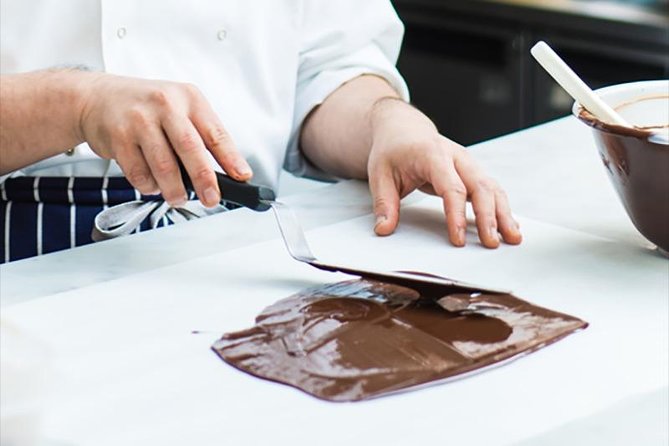
After the bean-to-bar basics, you move into the technique that many beginners find confusing: tempering. Tempering is what helps chocolate set with the right finish, including the smoother texture and the classic snap when you break it.
In this class, you’ll pipe or mould the tempered chocolate into your own bar. That’s valuable because it gives you a direct relationship between technique and outcome. If tempering is off, you can often see it and feel it. If you get it right, your chocolate sets in the way you expect from good chocolate bars.
I also like that the process is taught as a craft. The class is described as expert-led, with chefs guiding you every step of the way. You’re not expected to guess. You’re learning the correct workflow, which is what you need if you want to replicate anything at home later.
Ganache and bonbons: turning one technique into a full dozen
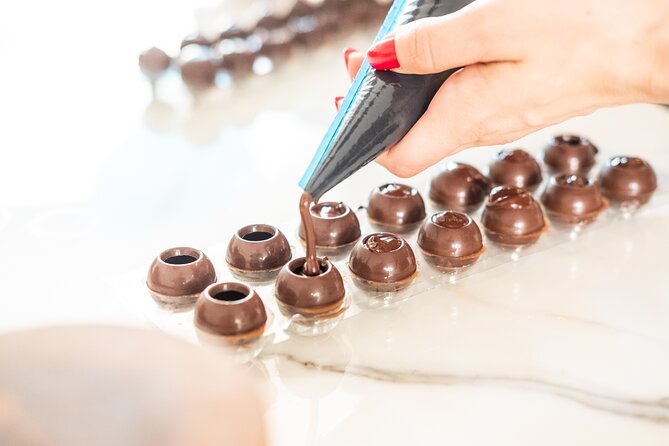
One part of the session focuses on ganache, and that leads directly into bonbons. In the sample menu, you’ll make bonbons by learning how to make ganache and then creating a dozen of them. You’re working with provided ingredients and professional materials, so you aren’t improvising with whatever you happen to have in your kitchen.
Ganache is one of those chocolate skills that sounds simple but is actually about timing and texture. When you learn it properly, you start understanding how a silky chocolate filling becomes the heart of a good bonbon. In a hands-on class like this, you can usually feel the difference when the mix hits the right stage.
Then comes the presentation side. Bonbons aren’t only about taste. The class includes the steps needed to produce finished sweets, so you can take home something that looks intentional, not homemade in the chaotic way.
While the kettle’s on in London:
- Stonehenge, Windsor Castle, and Bath from London★ 4.5 · 18,662 reviews
- London Big Bus Hop-On Hop-Off Tour with Optional River Cruise★ 3.5 · 10,803 reviews
- London Small Group Tour of Historical Pubs★ 5.0 · 10,422 reviews
- Stonehenge, Windsor Castle and Bath with Pub Lunch in Lacock★ 4.5 · 7,402 reviews
Praline bonbon: crunchy texture lessons

The class doesn’t stop at smooth fillings. You’ll also make a praline bonbon, described as a signature chocolate with a crunchy element. That matters because it teaches you how texture is engineered, not just added.
Praline-style sweets rely on the balance between the smooth chocolate base and the crunch inside. Learning the process in a class setting helps you understand what ingredients do what, and how adjustments can change the bite.
If you like variety, this is a great inclusion. You end up with different chocolate experiences in one session, dark bar flavors plus creamy bonbon fillings plus a crunchy praline style.
Dark chocolate bars: you make two, not just one
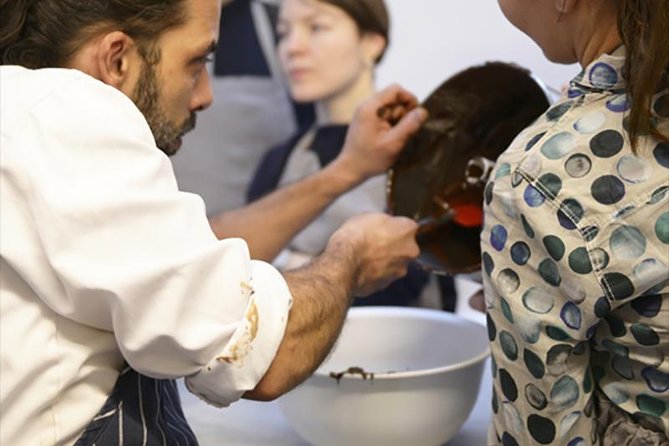
The sample menu notes that hosts can make two dark chocolate bars. That’s a detail that improves the value of the class. It means you’re not leaving with a token amount of chocolate. You’re leaving with bars you can actually share, wrap, or stash for later.
Even if you’re not a serious chocolatier at home, learning how to make a bar from cocoa beans gives you a better understanding of what makes a bar feel like a bar. It’s a different experience than melting and pouring. You get the sense of control that comes from working through each stage.
Also, dark chocolate tends to be forgiving as a flavor base. It pairs well with gifting because it’s a safe crowd-pleaser, especially when you want to give something that feels grown-up.
Taste testing across the process, and why it sticks
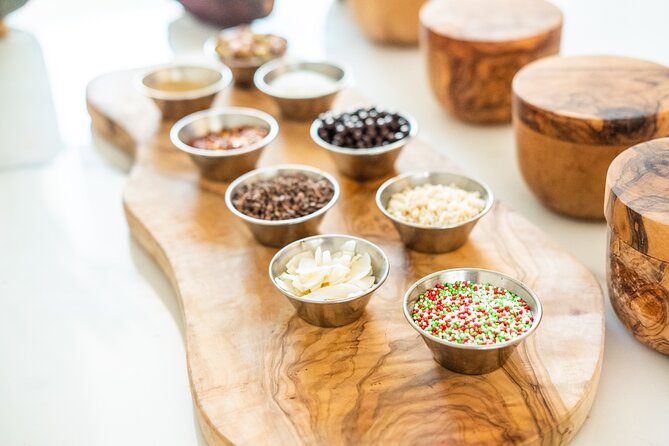
A standout teaching moment here is tasting the chocolate at each stage. You’re building a personal reference point for how cocoa changes as it moves from bean to prepared ingredient, then to tempered chocolate, then into shaped sweets.
This kind of tasting makes the class easier to remember. Instead of only learning steps, you learn sensory checkpoints. That helps you if you try it again later, because you’ll know what to expect as flavors develop.
It’s also one of the reasons the class works for different types of learners. Some people learn best by instructions. Others learn best by doing and tasting. This class supports both.
What you take home: gifts, packaging, and the practical win
You’ll take your own unique chocolate bar home, and the description also notes Melt packaging and a designer bag. That’s not just a nice extra. In a city like London, where you might be buying small gifts anyway, the take-home packaging turns your class output into ready-to-gift presents.
This is where the best reviews tend to point: the quantity and quality feel better than expected, and the chocolate becomes an easy gift choice. When you leave with finished sweets in professional-looking packaging, you don’t need last-minute store runs for edible souvenirs.
Since transport isn’t included, think about how you’ll carry everything from the meeting point back to your hotel or onward plans. The packaging helps, but if you’re taking multiple things in your bag already, plan your tote space.
Price and value: is $204.39 worth it?
At $204.39 per person for about 3 hours, Melt’s master class sits in the middle of London’s paid experiences, and it’s not a “cheap and cheerful” activity. The value comes from what you learn and how much you produce.
You’re not just watching chocolate being made. You’re cracking and winnowing beans, grinding with a pestle and mortar, learning tempering, and creating multiple finished items based on the sample menu: dark chocolate bars, a dozen bonbons from ganache, and praline bonbons. On top of that, ingredients and class materials are included, so you’re not paying extra for supplies.
In other words, you’re paying for technical instruction plus a hands-on output you can eat and gift. If you like food classes where you leave with real skills and a real pile of chocolate, the price makes sense. If you’re only looking for a quick sugary snack, you might find it heavy on instruction and production.
Best fit: who should book this class, and who might skip it
This experience is a strong match if you:
- Want a hands-on food class in London with a small group
- Enjoy chocolate history and also want the science and craft side
- Like gifting edible souvenirs that look proper
- Prefer learning by tasting and doing, not only listening
You might skip it if:
- You don’t want a structured class format and multiple techniques in one go
- You’re sensitive to mess and don’t like working with your hands
- You don’t want to plan your own way to the meeting point (since transport isn’t included)
It’s also a good solo activity. Small group teaching often feels friendly rather than awkward, and you’ll still get plenty of attention from the chefs.
Getting there and making the most of the 3 hours
The meeting point is 59 Ledbury Rd, London W11 2AA. The activity ends back at the meeting point, so you can build your schedule around a straightforward start and finish.
Because transport isn’t included, I’d plan your route before you arrive. Notting Hill can be busy on foot, and you don’t want to rush at the start of a hands-on class. Arriving a few minutes early also helps you get settled and ready.
For the best experience:
- Wear something comfortable you can get a little chocolate on
- Keep your bag space in mind for the designer bag and packaging
- Go in hungry, but not so hungry that you rush the learning parts
- Be ready to taste along the way, that’s part of how you learn
The 3 hours can feel full, so if your day is packed, give yourself some breathing room afterward.
Should you book Melt’s Magical Master Class?
Yes, if you want a practical chocolate class where you learn technique, taste along the way, and leave with sweets you can actually give away. The small group size, hands-on teaching, and the variety of what you make, dark bars plus ganache bonbons plus praline crunch, make this feel like more than a one-note novelty.
I’d especially recommend it if you enjoy food craft and you like the idea of learning tempering and bean-to-bar steps, not just watching a demonstration. If you’re buying a London souvenir, this beats most options because it combines skill, product, and packaging in one neat package.
If you’re on the fence, your decision comes down to priorities. If you want chocolate as a snack, you can find cheaper. If you want to learn how chocolate works and take home a meaningful haul, this is a solid book.
FAQ
What is the duration of Melt Chocolates Magical Master Class?
The class runs for about 3 hours.
Where does the class take place?
The meeting point is 59 Ledbury Rd, London W11 2AA, UK, and the activity ends back at the meeting point.
How much does it cost?
It costs $204.39 per person.
What group size can I expect?
The class has a maximum of 6 travelers.
Is the class offered in English?
Yes, it is offered in English.
What does the class include?
It includes the chocolate class and chocolate ingredients.
What items will I make?
Based on the sample menu, you learn to make dark chocolate bar(s), bonbons (from ganache, making a dozen), and praline bonbon.
Do I need to bring ingredients or materials?
No. You use provided ingredients and professional materials.
Is transport included?
No. Transport is not included.
What is the cancellation policy?
Free cancellation is available up to 24 hours in advance for a full refund. If you cancel less than 24 hours before the start time, the amount paid is not refunded.
Latest to join the queue for London





Dessert Tours, compared.

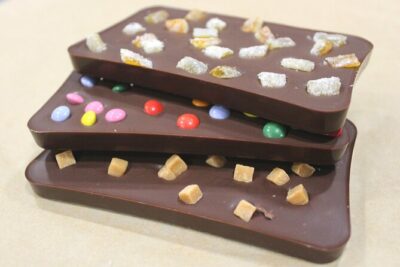
Chocolate Bar Making Workshop – York Cocoa Works
Read our review →
York Historical Gems Tour & A Taste of York Chocolate
Read our review →

West End Donut Adventure Sweets and Sights in London
Read our review →

Make Your own Amazing Chocolate in Notting Hill
Read our review →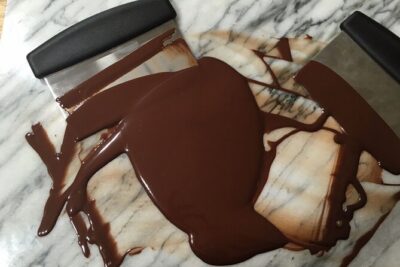
Class – Introduction to Chocolate Making at York Cocoa Works
Read our review →Browse the lists this tour appears in