Reviewed · ENGLAND
Map Reading and Navigation Course in Peak District
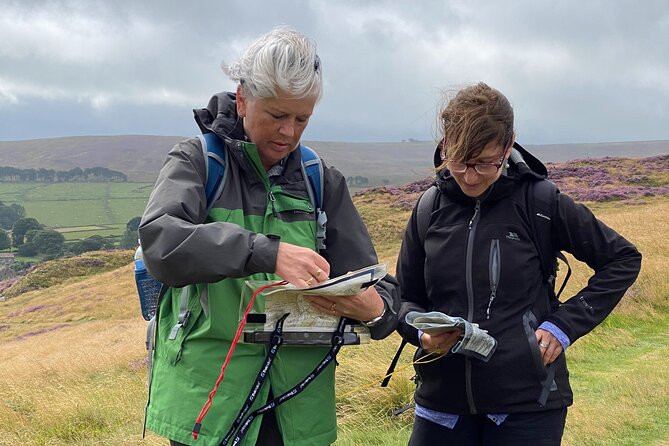
A compass turns worry into confidence. This 1-day Peak District navigation course is a practical way to start self-guided walks, with real map reading and direction work out in the hills and moorland. I love the small group size, up to 8 people, and I like that the day mixes simple theory with hands-on practice. One thing to plan for: lunch is not included, so you will want to bring a backup or buy something before or after.
You meet at Bamford (Hope Valley area) and base out of The Adventure Hub in the Peak District. I also appreciate the extra support angle, the way instructors can explain clearly and keep everyone moving forward, with guide names like Gavin and Rick popping up in how people describe the teaching style. Coffee and tea are provided, which is a small detail that makes a training morning feel less like class and more like a start to a real day outside.
In This Review
- Key things you’ll practice on your Peak District navigation day
- Why Bamford and the Adventure Hub make this navigation course easier
- From maps to grid references: the practical skills you start with
- Compass basics: learn the method, not just the magic trick
- Rights of way and path logic in the Peak District
- A day out in the hills: how the practice time builds confidence
- Getting the most out of the small group format
- What to bring for a comfortable, confident day
- Price and value: is $136.73 for one day worth it?
- Who this Peak District navigation course suits best
- Should you book this Peak District map and compass course?
- FAQ
- Where is the navigation course meeting point?
- What time does the course start?
- What is included in the price?
- Is lunch included?
- How many people are in a group?
- Does the course run in bad weather?
Key things you’ll practice on your Peak District navigation day
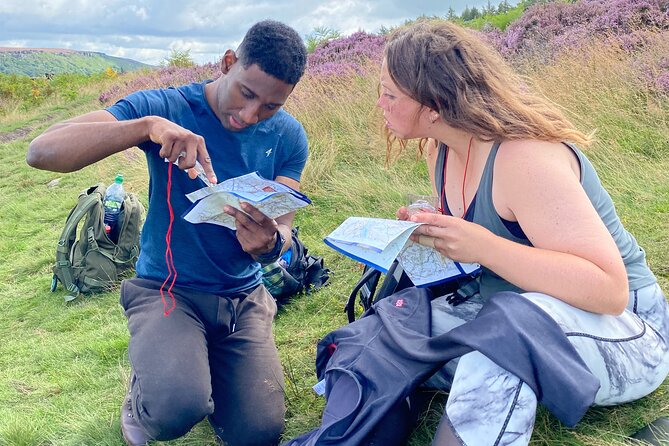
- Map reading fundamentals, including grid references and scale use
- Compass types and correct compass handling, so you can set the map and check direction
- Right of way basics, so you know what you can walk and why routes exist
- Field exercises in the hills and moorland, where the theory has to work for real
- Beginner-friendly pacing, with a max group size of 8 and a professional guide
- Coffee and tea included, plus you head back to the meeting point at day’s end
Why Bamford and the Adventure Hub make this navigation course easier
This course starts in Bamford, near Hope Valley, and the whole day is designed around getting you comfortable with navigation without the stress of being far from support. Bamford is close enough to the Peak District walking areas that you can spend most of your day doing the thing you came for, map reading and direction checking.
The other smart piece is the base, The Adventure Hub. It is a training facility in the Peak District. That matters because you are not trying to learn gear and technique while you are already cold, tired, and half-lost on a windswept path. You begin at a place built for instruction, then you move outward for practice.
You will also like the small group setup. With a maximum of 8 travelers, you get more individual attention than you would in a big group walk. For beginners, that difference is huge. It is the difference between asking one more question and silently guessing.
And yes, you will be outside in typical Peak weather. The course runs in all weather conditions, so dress appropriately. Bring layers you can handle if the day turns wet, windy, or both.
Forming a queue behind this one in Sheffield:



From maps to grid references: the practical skills you start with
The goal is not to make you a cartography expert. The goal is to help you read the map well enough to plan and follow a walk safely and confidently.
You start with the building blocks: maps, grid references, and scales. Grid references matter because they turn a vague location into something you can aim for. Scale matters because it helps you translate what you see on paper into distance you can expect on foot.
You will also get practice with direction basics tied to the map. That usually means learning how to use the map to understand where paths go, where you are likely to be, and how to choose a route that fits your comfort level. Even if you have walked before, these are different skills. Hiking gets you moving. Navigation gets you arriving.
The course also covers rights of way. That can sound legal and boring, but it is really practical. In the UK, routes are not random. They follow rights of way, access patterns, and path networks that explain why some tracks exist and others do not.
If you are the type who tends to follow trails visually, this part can feel like a light switch. You start to see paths as a system, not just a line you hope is going the right way.
Compass basics: learn the method, not just the magic trick
A compass sounds simple until you try it on a real walk. Then you learn fast that there is a technique to it.
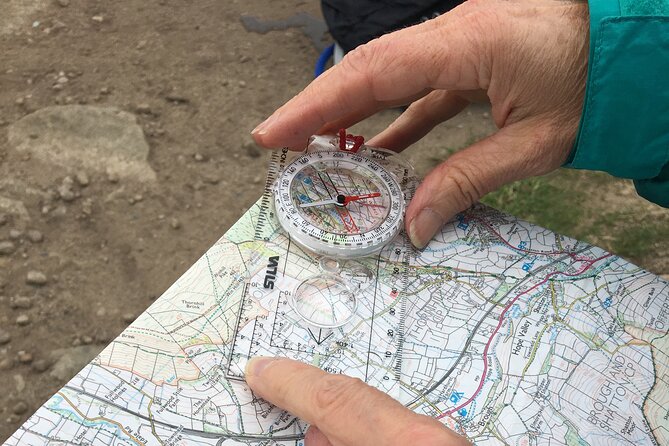
This course gives you hands-on compass basics, including learning different types of compasses and how to use them correctly. The big win is that you learn how to set the map and check direction. That is the heart of navigation. You are not just holding a compass and hoping. You are aligning map and ground so you can confirm what you think you are doing.
You will likely practice turning that method into a repeatable routine. That routine helps when conditions change. Clouds roll in. Visibility drops. Paths fork. Your phone might lose signal. Your map and compass skills become your plan.
One of the best reasons to take a course like this is confidence. Without training, it is easy to think you do not know enough. After compass basics click, you stop second-guessing every choice.
Rights of way and path logic in the Peak District
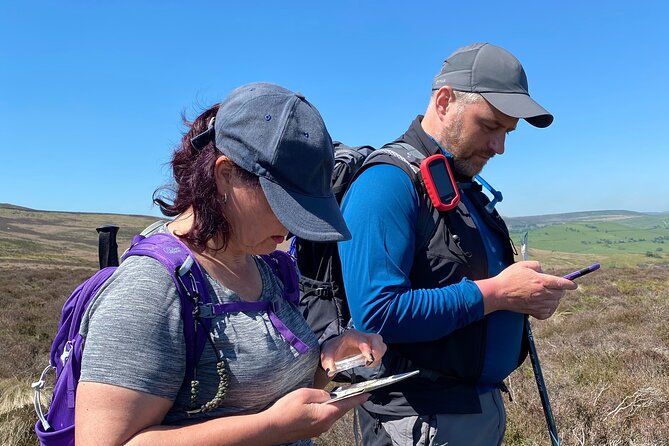
The Peak District is famous for walking routes, but it is also a place where small navigation mistakes can cost you time. Right of way basics help you understand the logic behind what you can follow and how to interpret route options.
This course includes teaching about rights of way, plus practical tools for navigation. In plain terms, you should leave knowing how rights of way help you plan, how to interpret them on your map, and how to avoid accidentally following the wrong track just because it looks convenient.
This is also where beginners often feel relief. You do not have to rely on luck or guesswork. You learn how to read what the map is telling you, then match it to what you see.
A day out in the hills: how the practice time builds confidence
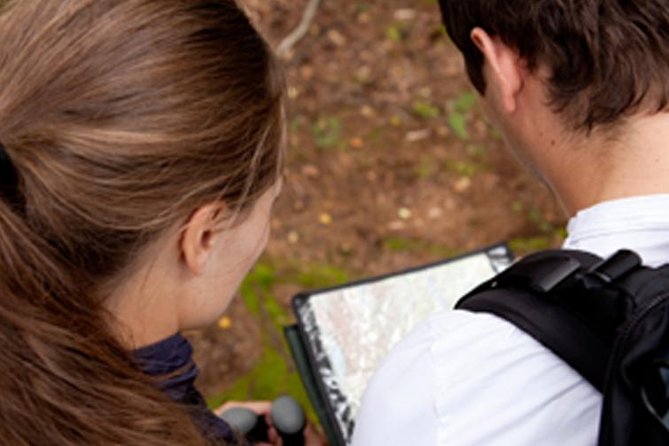
The day is set up to give you a taste of the skills you need for self-guided walks. You start at 9:30 am in Bamford, then you work from The Adventure Hub and spend the majority of your day out in the hills and moorland.
That pacing is smart. You get the concepts early, then you apply them quickly enough that they stick. Navigation is a skill. Skills build through practice, not through reading.
Expect a mix of short instruction and then doing. You should see exercises focused on using your map and compass together, checking direction, and building a route approach you can actually repeat. The guide gives insightful commentary throughout, which helps you understand what to watch for and what mistakes to avoid.
Coffee and tea being included helps too. A break turns the day from grind into learning. It also keeps energy up so you can do the later field work with attention intact.
Lunch is not included, so this is one area where planning matters. If you want a long comfortable break, bring snacks, or plan to grab food nearby before you start or after you finish. That way you do not lose momentum during the training window.
While the kettle’s on in Sheffield:
- Immersive Murder Mystery in Sheffield – Outdoor Escape Experience★ 4.5 · 15 reviews
Getting the most out of the small group format
A maximum of 8 travelers might sound like a nice-to-have detail, but for navigation it is practical value. You will probably have more chances to ask what feels like a simple question, like how a bearing should be read or how to confirm your direction.
It also helps the guide tailor the pace. People learn differently. Some want a slow walk-through. Some want to jump into practice. The course is designed to welcome beginners, and the small group format helps the instructor manage that without losing time.
You will notice an instructional tone that is meant to calm nervous first-timers. The themes in how guides are described tend to be supportive and clear, with people saying instructors like Gavin or Rick made beginners feel at ease and capable. That is not fluff. It means you are more likely to practice rather than freeze.
What to bring for a comfortable, confident day
Because the course runs in all weather conditions, what you bring matters. You will want layers, rain gear, and footwear that handles wet ground and uneven paths. Dress appropriately, because you will be outdoors for much of the day.
Beyond clothing, bring whatever you normally use for day hikes. The course covers navigation basics, so you can also expect to interact with navigation tools during the day. Still, if you already have a compass or a map case, it can help to bring it so you can follow along with what the instructor shows.
Also plan food. Since lunch is not included, pack snacks and water so you are not running on empty. Even if the day stays short and smooth, your brain will work better with steady energy.
Price and value: is $136.73 for one day worth it?
At $136.73 per person for about 1 day, you are paying for professional guidance plus practical outdoor training. That is not cheap, but navigation skills also stop you from wasting time later.
A big part of the value is the structure. You get theory, then you use it right away on the ground. That is faster than learning solo by trial and error, especially when you are trying to figure out compass handling and map alignment.
You also get coffee and tea, which sounds minor, but it is part of the training rhythm. Add in the small group size of up to 8, and you are essentially paying for time with an instructor who can help you avoid common beginner mistakes.
One day can be enough to change your hiking behavior. After this type of course, you tend to plan walks differently. You check direction with purpose, you read map details with more meaning, and you stop treating navigation like a mysterious talent.
If you already know how to use a compass well and read maps comfortably, you might not feel the value as strongly. But if you are new, or if your skills feel rusty, this is a direct path to getting back on track.
Who this Peak District navigation course suits best
This is aimed at beginners. If you want to start self-guided walks in the hills, you should feel right at home. It is also a good fit if you tried an app or rely on phone navigation, but you want a method that works when signals fail.
This format is especially useful if you learn best with real-time guidance. The guide gives insightful commentary and supports practice, so you are not left to figure out technique alone.
If you are the type who feels uneasy about being in remote areas, this course can give you an internal safety net. Map reading and compass direction checking are tools that help you stay calm when the day gets foggy or when paths split.
Most travelers can participate, and the course operates in all weather conditions, so be honest with yourself about how you handle cold, wind, and wet ground.
Should you book this Peak District map and compass course?
Book it if you want a clear starting point for self-guided walking. You will learn map reading basics like grid references and scales, plus compass skills including setting the map and checking direction. You get rights of way basics too, which is where confidence really grows.
I would hold off if you expect a long multi-day deep dive or if you already feel fully confident with compass bearings and map interpretation. This is a one-day intro, not an advanced expedition.
One more practical check before you sign up: plan for lunch. With lunch not included, you need your own food strategy. If that part works for you, the rest of the day is built to give you a transferable skill set for Peak District walks.
FAQ
Where is the navigation course meeting point?
The course starts in Bamford, Hope Valley S33, UK. It also ends back at the meeting point.
What time does the course start?
The start time is 9:30 am.
What is included in the price?
Coffee and/or tea are included, and you get a professional guide.
Is lunch included?
No. Lunch is not included.
How many people are in a group?
The maximum group size is 8 travelers.
Does the course run in bad weather?
It operates in all weather conditions, so you should dress appropriately.