
Reviewed · MUSEUMS
London Transport Museum One Day Ticket
London moves, even on the walls. With the London Transport Museum one-day ticket, you can follow how the city built its public transport identity, through restored buses, trams, and early trains. The big catch is simple: go during school breaks and the museum can get loud, with kids running around and making it harder to focus.
This is an easy, pick-a-time-slot style visit built for your pace. Plan around 2 hours for a solid pass, then stay longer if you want more time with the vehicles, posters, and hands-on areas, including the All Aboard playzone for younger visitors.
In This Review
- Key Highlights You’ll Actually Use
- London Transport Museum in Covent Garden: Why This Ticket Feels Worth It
- Inside The Piazza: What the Setting Means for Your Visit
- The Transport Timeline: From Horse-Drawn Buses to Tube-Map Icons
- The All Aboard Playzone: The Hands-On Part Kids Remember
- Exploring the Three Floors: How to See More Without Feeling Rushed
- Buses, Cabs, Trams, and Vintage Details: What You’ll Notice More Than Once
- Canteen Café-Bar and the Shop: Plan Snacks and Souvenirs Smart
- Price and Value: Getting $33.76 Worth of Time
- Timing Your Visit: When It’s Great, and When It Can Be Noisy
- So Should You Book This Ticket?
- FAQ
- How long does the London Transport Museum One Day Ticket take?
- What does the ticket include?
- Is food included with the ticket?
- Can I choose a time slot for entry?
- Is the ticket mobile?
- What language is the experience offered in?
- Where is the museum located?
- Are service animals allowed?
- Is there a cancellation window?
- Is the museum friendly for strollers and getting between floors?
Key Highlights You’ll Actually Use
- A time-slot ticket that helps you pick a smoother entry point in busy Covent Garden
- Restored vehicles and iconic imagery, from classic London buses and trams to the tube map
- All Aboard playzone with kid roles like conductors, mechanics, and drivers on interactive vehicles
- Multi-floor exploring with buggy access and a lift mentioned by families
- Great for ages who like to move, not just read, with play-and-touch moments that keep interest high
- Best when crowds cooperate, since school holidays can turn the place into a noisy playground
London Transport Museum in Covent Garden: Why This Ticket Feels Worth It
If you like London, you’ll like the way this museum explains London. Not as a general tourist overview, but as a story of how transport shaped daily life, neighborhoods, and even the look of the city. You get a clean one-day entry that lets you set your own rhythm, which matters because this museum works best when you slow down near the big vehicles and interactive stops.
Two things I like right away are the hands-on sections for kids and the real, restored transport that you can take in at human scale. The museum also sits in Covent Garden, so you can pair it with other nearby activities before or after, without feeling trapped in a single neighborhood.
The main tradeoff is timing. When schools are out, it can feel hectic. If you’re traveling with kids and you want energy, you may find that fine. If you want calm time to read and look closely, aim for a quieter slot.
More free halls and paid exhibitions:
Inside The Piazza: What the Setting Means for Your Visit
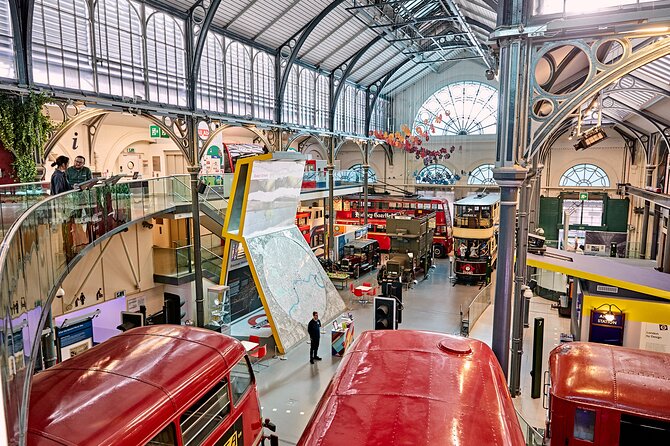
The museum is housed in a charming old flower market setting at The Piazza, London (WC2E 7BB). That matters because the space already feels like a station or marketplace, so the exhibits land with less effort than in a typical boxy museum. You’re not fighting a cold layout. You’re moving through rooms that feel built for people to browse.
It also helps with flow. The experience is self-paced, so you can do quick circuits or linger where you care most. One review pointed out that the layout can feel a bit confusing at first, so give yourself a couple of minutes at the start to get oriented rather than rushing in.
If you’re with a stroller or buggy, you’ll be glad to hear buggy access and a lift to other floors were specifically mentioned. That turns a “short stop” into a visit where everyone can actually see a lot.
The Transport Timeline: From Horse-Drawn Buses to Tube-Map Icons
This museum tells London’s transport story like a time machine with clear landmarks. You start with earlier public transport, including 18th-century horse-drawn buses, then move toward the ideas and designs that still define London today, including the tube map you’ve seen in airports and guidebooks.
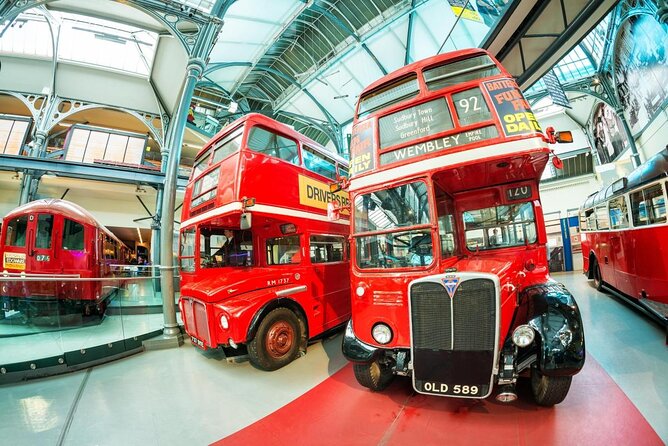
What makes the timeline satisfying is that it doesn’t just show facts. It pairs the big moments with visuals you can recognize immediately, like posters and classic vehicle details. The museum includes the world’s first underground steam and electric trains, plus vintage vehicles and classic buses and trams.
As you move along, look for the small “aha” moments that connect transport to daily life. For example, you’ll see how different vehicle styles and routes reflect changing technology and the growth of the city. If you’re the type who usually skips informational panels, try slowing down anyway for the poster sections. That’s where you often get the emotional feel of an era.
A small drawback: if you prefer quiet museum reading, the busiest times can make it hard to concentrate. That’s not about the exhibits being weak. It’s just the reality of peak family time in a central London location.
The All Aboard Playzone: The Hands-On Part Kids Remember

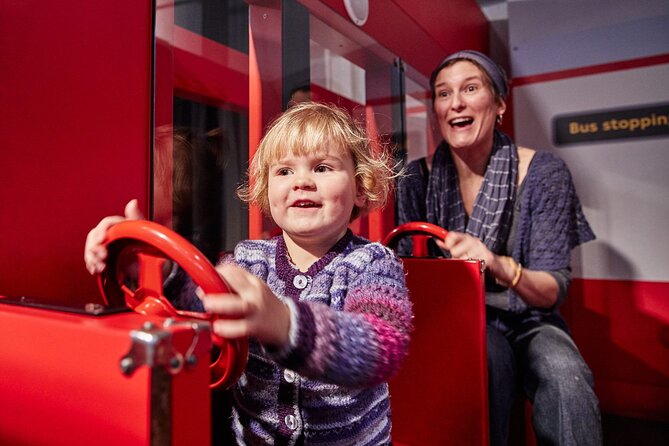
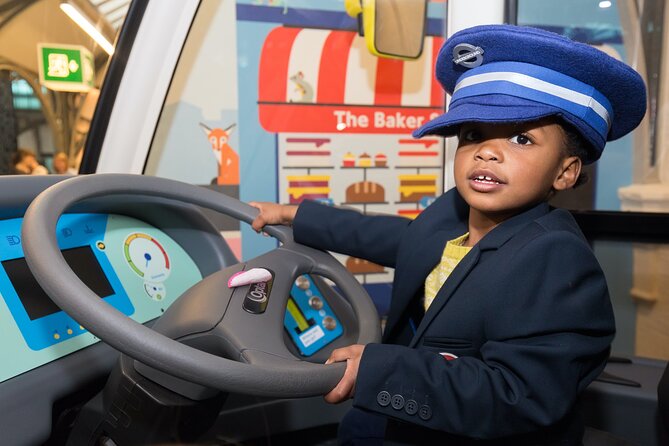
The museum’s secret weapon for families is the All Aboard playzone. It’s not just a corner with toys. It connects to the transport theme with real roles kids can act out, including conductors, mechanics, and drivers, on interactive vehicles.
In reviews, families also mention things like kids getting a card stamped and being able to “drive” vehicles. Even if you don’t know what you’ll find in advance, the playzone is where the visit usually flips from “museum time” to “this is fun” for children.
There’s also mention of soft play and opportunities for kids to get on transport-themed setups. For ages roughly preschool through early grade-school, that blend works well: they can explore without feeling like they’re stuck in a lecture.
If your child loves hands-on activities, plan a bit of extra time here. The playzone is the part where you might want to repeat sections, replay actions, or just watch how kids interpret the roles.
Exploring the Three Floors: How to See More Without Feeling Rushed
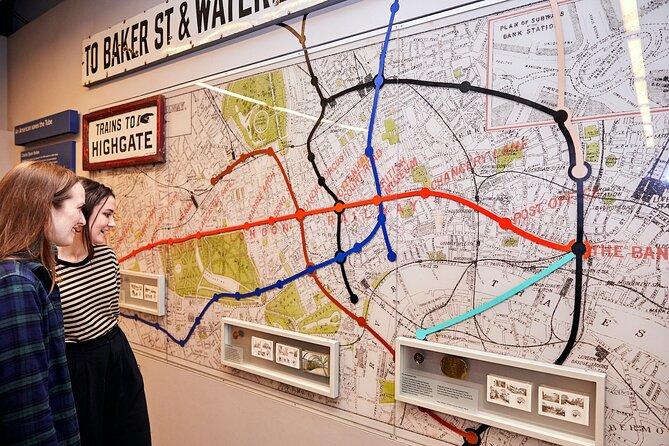
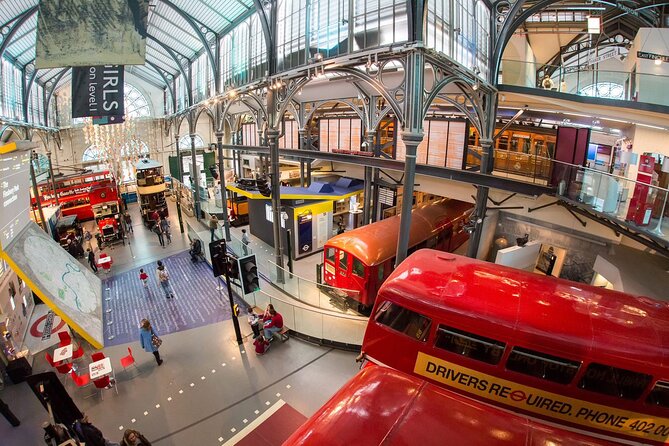
One of the practical surprises is how much you can fit in over multiple levels. Reviews specifically call out that all three floors were interesting, and that there’s a lift for getting between floors. That combination matters if you’re with a stroller, a grandparent, or anyone who doesn’t want to deal with lots of stairs.
To get the most value, I suggest a simple rhythm:
- Start with the vehicle-focused areas so you learn the museum’s main theme fast.
- Then move into the interactive spots when you’re ready to give kids a “release valve.”
- Finish back at posters and vintage displays once you have the context in your head.
If you feel turned around, don’t panic. Take a few minutes early to orient yourself, then use repetition. The museum is set up so that even if you don’t follow a perfect route, you still catch the key transport story beats.
When crowds are heavy, rushing can make the place feel chaotic. Going slower helps the museum do what it’s best at, which is connecting the big picture to details.
Also on in London, no fuss
- Stonehenge, Windsor Castle, and Bath from London★ 4.5 · 18,662 reviews
- London Big Bus Hop-On Hop-Off Tour with Optional River Cruise★ 3.5 · 10,803 reviews
- London Small Group Tour of Historical Pubs★ 5.0 · 10,422 reviews
- Stonehenge, Windsor Castle and Bath with Pub Lunch in Lacock★ 4.5 · 7,402 reviews
Buses, Cabs, Trams, and Vintage Details: What You’ll Notice More Than Once
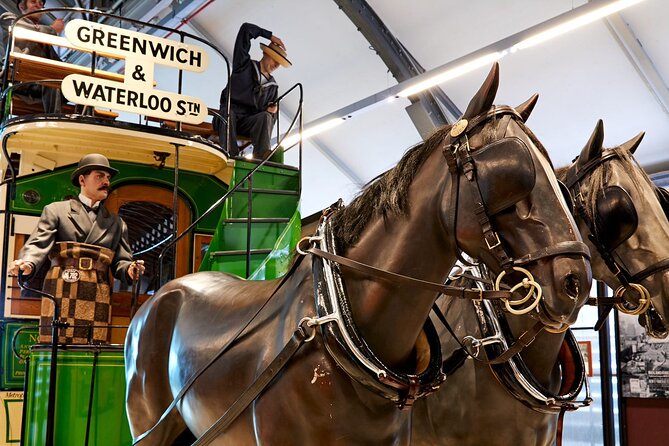
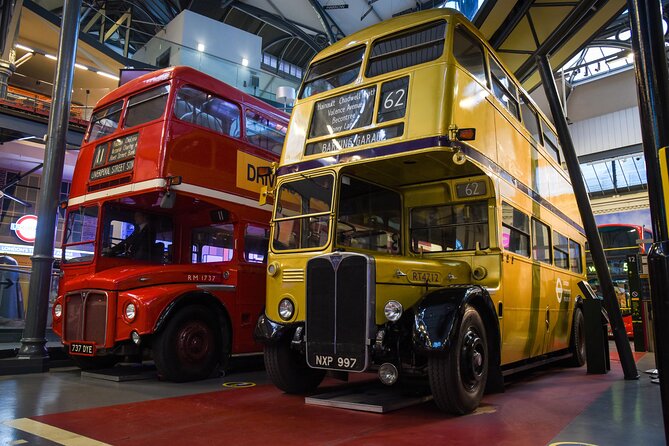
The vehicle displays are the heart of the museum. You’ll see the look of red buses, black cabs, and the tube, along with classic trams and other vintage vehicles. These aren’t just props. They’re presented as part of a visual language that shows how transport design influenced the city’s identity.
There’s also something emotionally satisfying about restored vehicles. Even if you’re not a transportation geek, you can grasp why people felt proud of their buses and trains, and how that pride became part of London’s image. That’s what makes posters and graphic design matter too. They turn transport history into something human, not just mechanical.
If you like “spot the difference” activities, you’ll find them here. Compare the look of early underground trains to later electric and steam examples. Then link that to what you see on buses and trams. Your brain naturally starts building a timeline, and that’s when the museum becomes more than a place to pass time.
Canteen Café-Bar and the Shop: Plan Snacks and Souvenirs Smart
This ticket includes admission, not food. So you’ll likely want to plan snacks around your visit. The good news is the museum has a cafe-bar called Canteen, which gives you a built-in option when you need a break.
I like that because it reduces decision stress. In central London, you can spend time finding somewhere to eat that fits your schedule. Here, you can take a pause without leaving the museum footprint.
Don’t overlook the unique shop either. If you’re traveling with kids, transport-themed gifts can be an easy win at the end of the day. And if you’re the kind of person who likes postcards or prints, the shop is often where you find something that feels tied to the specific exhibits you just saw.
Price and Value: Getting $33.76 Worth of Time
At about $33.76 per person, this is a ticket price that feels reasonable because it’s not just a quick walk-through museum. It’s a self-paced, multi-floor experience built around vehicles, visuals, and interactive play.
Two hours is a good baseline, but your value depends on how your group likes to spend time. If you’re traveling with kids who want activities, the All Aboard playzone can easily stretch the visit. If you’re traveling with adults who prefer exhibits and reading, the vehicles plus tube-themed graphics give you plenty to process.
Also, the ticket is tied to time slots, which can help you choose a calmer moment. Less waiting can mean more actual viewing time, and that improves the feeling of value fast.
One more practical point: on average, this ticket tends to be booked about 10 days in advance. If you’re aiming for a specific day and want a safer shot at a better time slot, don’t wait until the last minute.
Timing Your Visit: When It’s Great, and When It Can Be Noisy
The most consistent practical advice from families is about timing. Go during school breaks and it can get loud, with kids running around and making it harder to concentrate on the exhibits. That’s not a knock on the museum. It’s just that this is a family-focused place in a central tourist zone.
If you want quieter viewing, choose a time slot when schools are in session. If that’s not possible and you’re stuck with a busy day, plan your strategy:
- Lean into the interactive play areas early or on breaks, so the energy works for you.
- Save the poster and timeline looking for after the loudest rush.
- Keep a little buffer time so you can reset if the crowd density feels too high.
If you’re traveling with a 6 to 10 year old range, the noise may not bother you, and the interactive options will probably make it a win anyway. For adults traveling without kids, the quieter slots are the way to go.
So Should You Book This Ticket?
Yes, I’d book it if you want a London-themed attraction that works for more than one age group at once. The museum shines when you like transport as a lens for understanding the city, and when you want hands-on moments that do not require extra planning.
Book it especially if:
- You’re traveling with children who get bored with long indoor exhibits.
- You want restored vehicles and classic London visuals, not just generic museum panels.
- You like choosing a time slot and then exploring at your own pace.
Skip or rethink it if:
- You’re strongly sensitive to crowd noise and need quiet to enjoy exhibits.
- Your group prefers ultra-focused, ticketed guided tours rather than a self-paced visit.
If you do book, give yourself enough time to follow the vehicle story and still stop at the playzone without rushing. That mix is where the best memories tend to land.
FAQ
How long does the London Transport Museum One Day Ticket take?
Plan for about 2 hours for your visit, though you can spend more time since it’s self-paced.
What does the ticket include?
Your ticket includes entrance to the London Transport Museum at The Piazza, London (WC2E 7BB).
Is food included with the ticket?
No. Food and drink are not included. There is a cafe-bar at the museum called Canteen.
Can I choose a time slot for entry?
Yes. You can choose from multiple time slots that suit your schedule.
Is the ticket mobile?
Yes. The ticket is provided as a mobile ticket.
What language is the experience offered in?
The ticket and museum experience are offered in English.
Where is the museum located?
It is at London Transport Museum, The Piazza, London, WC2E 7BB.
Are service animals allowed?
Yes, service animals are allowed.
Is there a cancellation window?
Yes. You can cancel up to 24 hours in advance for a full refund.
Is the museum friendly for strollers and getting between floors?
Reviews mention buggy access and a lift to other floors, which can help if you need to move between levels.
Latest to join the queue for London







Museums, compared.

Tower of London and Crown Jewels Exhibition Ticket
Read our review →

Official tickets: Moco Modern & Contemporary Art Museum
Read our review →
British Museum London Guided Tour Semi-Private 8ppl Max
Read our review →
The British Museum London – Exclusive Guided Museum Tour
Read our review →


Skip the Line: Liverpool Beatles Museum – The perfect tribute to the Beatles
Read our review →Browse the lists this tour appears in