
Reviewed · GUIDED WALKS IN LONDON
London Eye To London Bridge (River Walk)
London gets easier when you walk it, not just look at it. This London Eye to London Bridge route packs major sights into a short, manageable small-group format, and my favorite part is the way guide Chris kept things lively and clear, even when the group was tired from jet lag. One thing to plan for: it is a walking tour, so expect sore feet if you are not used to city miles.
I also love how quickly you get your bearings around the Thames River. In just a couple hours, you pass big-name landmarks, then get practical context that helps you explore later, whether you head back toward Westminster or toward the City side.
In This Review
- Key highlights to look for on this walk
- Why this route works: from iconic skyline to real city orientation
- Price and what you actually get for $94.65
- Where the walk starts and ends, and how to plan your timing
- The early landmarks: London Eye, Big Ben, Houses of Parliament, and New Scotland Yard
- The oldest monument stop: why it slows you down in a good way
- The Thames River views: learning London by looking at the water
- St Paul’s, the Globe Theatre area, and how the stories connect
- Shakespeare’s Globe stop: seeing the icon plus the original story angle
- Passing Borough Market and the Golden Hind and Winchester Palace before London Bridge
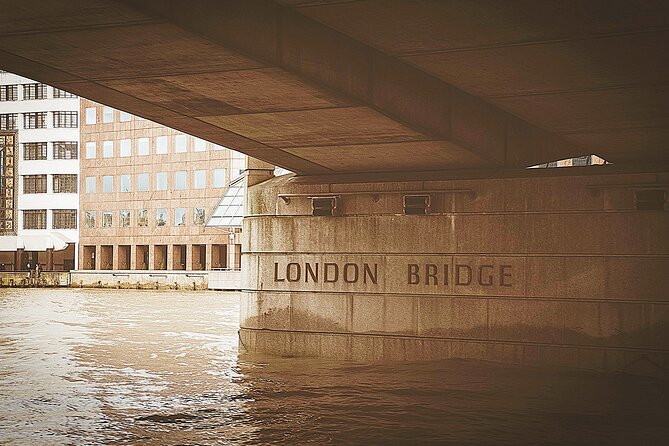
- Finishing at London Bridge: historic, simple, and easy to continue from
- What group size and guide style means for your experience
- Who should book this tour, and who might want a different plan
- Quick tips to make the most of this walk
- Should you book the London Eye to London Bridge River Walk?
Key highlights to look for on this walk
- Maximum 12 people means you actually hear the stories, not just listen to the loudspeaker effect
- Guide Chris brings humor and answers real questions, not rehearsed lines
- Thames River orientation helps you understand how Westminster and the City connect
- Shakespeare’s Globe stop includes a quick look at the Globe Theatre area and the lesser-known original Globe story point
- London Bridge finale wraps with a historic finish, plus passes by places like Golden Hind and Winchester Palace
Why this route works: from iconic skyline to real city orientation
This tour is built for getting your London footing fast. You start by the London Eye area, then move through the Westminster orbit, and finish at London Bridge. That simple arc matters because London feels like two different worlds depending on where you stand: Westminster with its big government landmarks, and the City with a more business-and-banks feel.
What you get is a guided shortcut through the Thames corridor. You do not just see famous photos. You learn why the river matters, how the landmarks relate to one another, and where you might want to return later once you have a map in your head.
And yes, you’ll cover a lot of ground for the time, but the pace is realistic for a 1 to 2 hour experience. Keep comfortable shoes on your shopping list. This is the type of walk where your feet will remind you you did it, even when you loved it.
More Guided Walks in London
Price and what you actually get for $94.65
At $94.65 per person, this is not a bargain-basement stroll. The value comes from three things you can feel right away: a small group, guided Stories & History, and the fact that you are ticking off major landmarks in one continuous route.
It also helps that some admissions along the way are handled in the sense that the tour includes an admission ticket free moment at key stops. For example, the Shakespeare’s Globe Theatre segment is listed as free, and the London Bridge segment is also listed as free. That matters because it keeps your planning simple when you are trying to keep costs under control.
One cost note: gratuity is not included. That is normal for walking tours, but it is good to know so you are not surprised at the end.
Where the walk starts and ends, and how to plan your timing
You meet at The Golden Carousel at The Queen’s Walk, London SE1 7PB. Your tour ends at 1 Tooley St, London SE1 2PF, finishing by London Bridge station.
That station ending location is a practical win. London Bridge connects you to lots of onward plans, whether you are heading to South Bank again, moving east, or grabbing dinner. Finishing by a major transport hub means you can keep your evening flexible instead of feeling stuck near the last landmark.
In terms of timing, the tour runs about 1 to 2 hours. If you land in London that day, this is a solid option because it gets you outside in daylight and helps shake off travel stiffness. One review highlighted how the walk helped with jet lag, and I get that. The rhythm of walking plus stories gives you a reason to stay present.
Also, it is commonly booked ahead, with an average booking time of 65 days in advance. If you care about a particular day, get it on your calendar earlier rather than later.
The early landmarks: London Eye, Big Ben, Houses of Parliament, and New Scotland Yard
The first stretch sets the tone. You start at the London Eye area and then move along the Westminster line, taking in London’s most photographed blocks: the London Eye, Big Ben, and the Houses of Parliament. Those sights are not subtle, and that is the point. Early on, you are building a visual framework.
What makes this more than a sightseeing checklist is the context you get while you are seeing them. The guide is there to connect details to the larger story of the city. That matters because famous landmarks can feel random if you do not know what ties them together.
You also pass New Scotland Yard. It’s one of those places that many people recognize by name but do not understand in relation to the surrounding area. A good guide can turn that kind of pass-by moment into something memorable, and based on feedback, Chris was strong at keeping attention and answering questions as you go.
If you are the kind of person who likes to take photos, this is where you will probably want to do it. If you are the kind of person who prefers to watch and learn, you still get chances to pause and look.
The oldest monument stop: why it slows you down in a good way
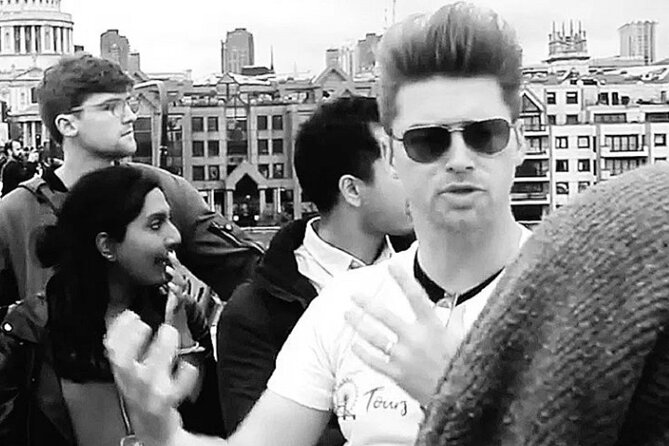
At one point, the route includes a stop described simply as the oldest monument in London. You get a brief pause, which is exactly what you want on a short walking tour. Without that, everything turns into movement and noise.
This kind of stop is valuable because it forces your brain to shift gears from modern landmark viewing to deeper time. London’s appeal is that the layers are close together. A quick marker like an “oldest monument” moment helps you understand that you are not only walking past famous buildings, you are walking past evidence of how the city grew.
From there, you move into a section where you can see the relationship between Westminster and the City of London. That sightline context is a big reason this walk is useful for future exploring. After you see the two sides from the river corridor, you start noticing direction and distance more naturally.
More England on foot, brolly optional:
- Westminster Guided Walking Tour with Abbey Entry★ 5.0 · 1,282 reviews
- Walking Tour of London Westminster Abbey, Big Ben, Buckingham★ 4.5 · 1,213 reviews
- London West End Musical Silent Disco Walking Tour Top 1% Rated★ 5.0 · 1,057 reviews
- Westminster 3 Hour Walking Tour and Visit of Churchill War Rooms★ 5.0 · 967 reviews
The Thames River views: learning London by looking at the water
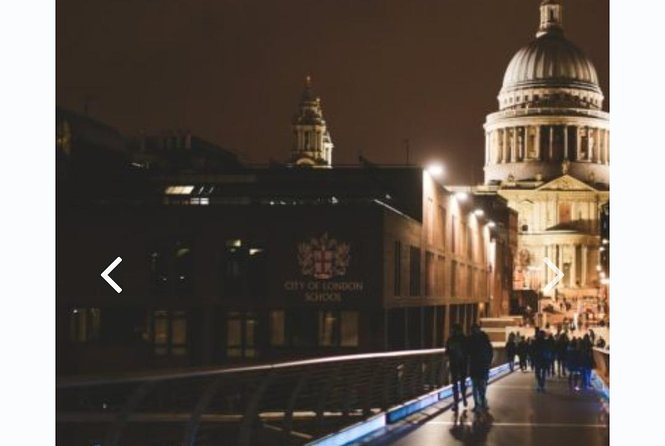
A highlight here is the river walking segment. The tour includes views as you walk past a London icon along the Thames, so you get that classic London feeling where landmarks frame the water.
I like this part because it helps you understand the city’s structure. The Thames is not just pretty. It is a divider, a connector, and a navigation tool. When you can visually connect where you started to where you are headed, the rest of your trip gets easier.
You also get a clear bridge moment later, with the Millennium Bridge showing up as you head into the next cluster of sights. Even if you only catch part of it, it works as a visual bookmark.
If you are coming from a busy first day, this river segment is also a breathing space. It is still walking, but it feels less like rushing from photo to photo.
St Paul’s, the Globe Theatre area, and how the stories connect
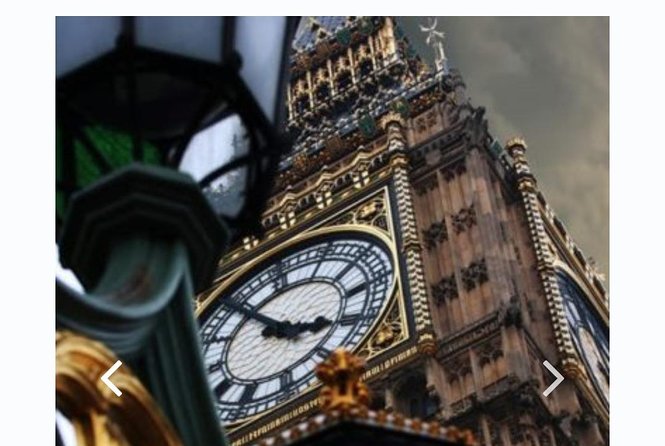
As you continue, the tour brings in the beauty of St Paul’s Cathedral, plus the Globe Theatre area and the Millennium Bridge.
This combination is smart. St Paul’s gives you that grand, “London from postcards” feeling. Then you pivot toward the theatre and the riverfront, which shifts the vibe toward culture, performance, and the everyday life of old London streets.
One review specifically praised the way the guide pointed out lesser-known angles and supported the experience with extra details. That kind of storytelling is what makes a short tour feel worth it, because you leave with more than photos.
And you are not stuck in a lecture. The guide style described in feedback was warm, funny, and attentive, with plenty of chances for questions. That is great for people who like interaction, especially if they are traveling solo or as a couple and do not want a rigid script.
Shakespeare’s Globe stop: seeing the icon plus the original story angle
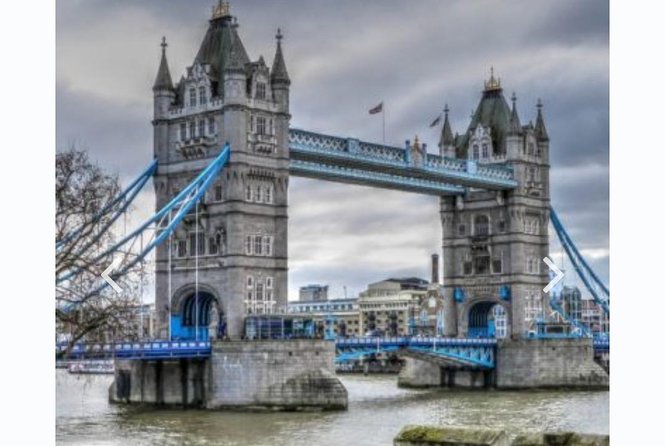
One of the tour’s scheduled stops is Shakespeare’s Globe Theatre. It includes a quick look at the icon and also references a lesser-known place connected to the original Globe Theatre that burned down.
Even though this is a short segment, it is the kind of stop that can change how you look at the surrounding area. The Globe is a familiar name, but the original Globe story point adds context. It also reinforces a theme the tour keeps returning to: London landmarks are not static. They have histories shaped by events, rebuilding, and change.
This stop is listed as 10 minutes, with admission ticket free. So it is not an all-day activity, and it does not derail your timeline. It fits the idea of a 1 to 2 hour route that stays focused.
If you are a Shakespeare fan, you will probably enjoy the contrast between the name you recognize and the story detail that makes it feel more real.
Passing Borough Market and the Golden Hind and Winchester Palace before London Bridge
As you approach the finish, the tour includes a pass by an ancient market, plus stops where you see the Golden Hind and Winchester Palace before ending at London Bridge.
In the feedback, Borough Market came up as part of the experience, along with food recommendations that make the tour feel useful even after it ends. That is a great pattern for a city walk: you not only learn where landmarks are, you also get practical ideas for what to do next.
Here’s how I’d use this part of the route: treat it as a ramp into dinner plans. If you finish with London Bridge nearby and you walk through an area known for food, you can turn the tour into a smooth transition instead of scrambling later.
The Golden Hind and Winchester Palace are included as pass-by sights, so this is more about noticing and recognizing names as you go. Even if you do not know every detail, the guide’s storytelling can help you place them in the London picture.
Finishing at London Bridge: historic, simple, and easy to continue from
The final scheduled stop is London Bridge, also listed as 10 minutes with admission ticket free. Finishing here gives the walk a strong sense of arrival. London Bridge is one of those places where you feel the city shift from one “center” to another.
When you wrap up right by London Bridge station, you also get an easy next step. You are not forced into a long transit plan after your walk, and that matters when you are trying to keep a day efficient.
And honestly, the last moments are often where tired people appreciate the most. If you have sore feet, you want the finish to feel worth it, and London Bridge has that built-in payoff.
What group size and guide style means for your experience
This tour runs with a maximum of 12 travelers, which is a big deal for a walking route. Smaller groups are easier to manage on narrow sidewalks and around busy landmarks. More importantly, you hear the guide better.
The reviews also point to Chris doing well with questions and keeping the pace engaging. One review even mentioned that for an afternoon, the group was so small that it effectively turned into extra-special attention. You can treat that as a possibility with small-group tours. Even if you are not expecting it, the small-group cap increases the odds that you will feel seen.
So if you like tours where you can ask, react, and get direct answers, this is a good match. If you prefer silent wandering, you might find any guided storytelling slightly intrusive, but the tour is explicitly built for stories and history.
Who should book this tour, and who might want a different plan
I think this tour is a strong fit if you want:
- A short, focused way to learn the Thames corridor
- Big landmarks plus some real context, not just photos
- A guided route that helps you plan later exploring
- A small-group feel with an interactive guide
You might want a different plan if:
- You do not like walking tours or you expect to avoid walking most of the day
- You want long museum-style time at fewer sights (this is a quick route)
Also, the tour calls for moderate physical fitness. That aligns with the repeated note about sore feet. You do not need to be an athlete, but you should be comfortable with urban walking.
Finally, it runs in English, and service animals are allowed. It is near public transportation, so you can adjust your arrival and departure with less stress.
Quick tips to make the most of this walk
I’d plan for comfort first. Wear shoes you trust for uneven pavement and lots of standing still for photos. Bring water if you tend to get thirsty while walking.
If you care about photos, pick your moments. The London Eye and Westminster landmarks are early in the walk, and St Paul’s and the Globe Theatre area come later, so you have multiple chances. If you’d rather learn than shoot, you can always step back for a moment while the guide talks.
And since the guide is described as funny and warm, do not be shy about questions. If you are curious about what you are seeing, this is the kind of tour where those questions get answered.
Should you book the London Eye to London Bridge River Walk?
Yes, if you want a short route that helps you understand London fast. This walk is high value for people who like structure, enjoy stories, and appreciate a small-group experience with an engaged guide like Chris. You will see major landmarks, get context that helps later exploring, and finish in a location that keeps your day easy.
If you are very sensitive to walking, you might hesitate because sore feet are part of the deal. But if you can handle a moderate walking effort for 1 to 2 hours, it is an efficient way to connect London’s big sights with the Thames in between.
Latest to join the queue for London


Guided Walks in London, compared.
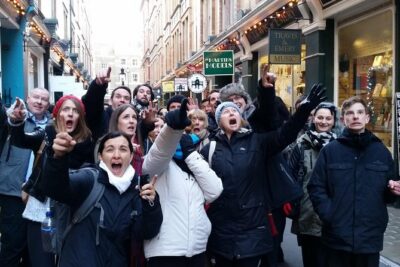
Tour for Muggles The Ultimate Harry Potter Walking Tour in London
Read our review →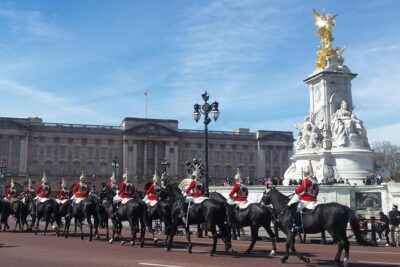
Changing of the Guard Guided Walking Tour in London
Read our review →
The Great British Rock and Roll Walking Tour
Read our review →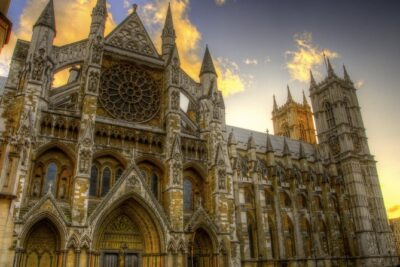
Westminster Guided Walking Tour with Abbey Entry
Read our review →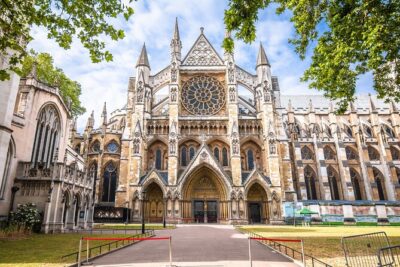
Walking Tour of London Westminster Abbey, Big Ben, Buckingham
Read our review →
London West End Musical Silent Disco Walking Tour Top 1% Rated
Read our review →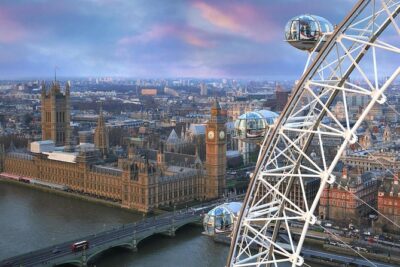
Westminster 3 Hour Walking Tour and Visit of Churchill War Rooms
Read our review →
WW2 London Walking Tour & Churchill War Rooms Entrance Ticket
Read our review →Browse the lists this tour appears in