
Reviewed · JACK THE RIPPER & GHOST WALKS
Jack The Ripper Walking Tour of London
London gets very personal on this walk. You’ll cover Central London’s most famous Jack the Ripper sites in Whitechapel without wandering around lost, while your guide connects the street corners to real clues and competing theories. It’s the kind of history you feel in your legs, not just your head, and it ends at a pub where the story keeps echoing.
I especially love the clear, guided route that helps you find places like the Ten Bells and Goulston Street fast. I also like how the tour keeps things victim-focused and respectful, so it’s not just for thrill seekers.
One thing to consider: the subject matter is dark and adult, including murder and prostitution, and the walk is not suitable for prams or for guests with walking or mobility difficulties.
In This Review
- Quick reasons this Jack the Ripper walking tour works
- Starting at Aldgate Station, ending at The Ten Bells
- Whitechapel’s 1888 setting, and why the neighborhood matters
- Ten Bells: the pub stop that turns theories into questions
- Goulston Street and the Catherine Eddowes evidence moment
- Brick Lane: connecting the victims to the street-level reality
- Spitalfields Market and Christ Church Spitalfields: where everyday life met danger
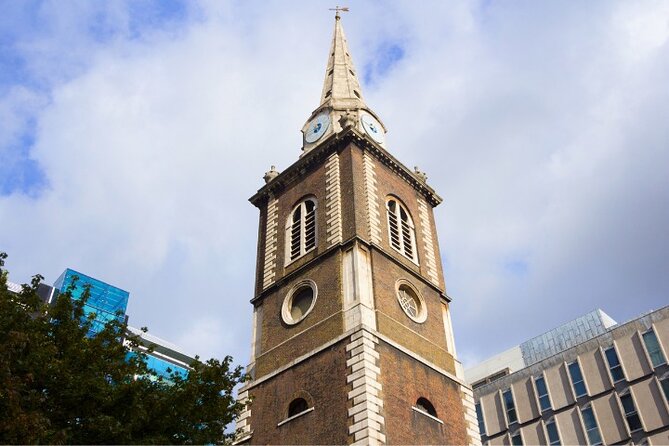
- St Botolph’s Aldgate and the church locals called the Church of Prostitutes
- Price and what $19.41 gets you in London time
- The guide makes the difference, and names like Carolina and Adam matter
- Small-group pacing, good footwear, and what to bring
- Should you book this Jack the Ripper walking tour?
- FAQ
- How long is the Jack the Ripper walking tour of London?
- Where does the tour start and where does it end?
- How much does the tour cost, and is admission included at the stops?
- Is the tour suitable for children?
- Is this tour accessible for strollers or people with walking or mobility difficulties?
- What if the weather is bad or I need to cancel?
Quick reasons this Jack the Ripper walking tour works
- Easy-to-follow stops across Whitechapel, with a guided start at Aldgate Station and a finish at The Ten Bells
- Victim-centered storytelling that keeps the tone respectful, not sensational
- Clues and theories in context, including why Goulston Street matters in the Catherine Eddowes story
- Big-name and overlooked locations, from the Ten Bells to places tied to where victims lived or were last seen
- Small group size (max 25), which makes it easier to ask questions mid-walk
Starting at Aldgate Station, ending at The Ten Bells
This tour is built for people who want to see the classic Jack the Ripper geography without turning it into a scavenger hunt. You begin at Aldgate Station on Aldgate High St (London EC3N 1AH). The guide meets you holding a yellow umbrella, and the tour ends at The Ten Bells at 84 Commercial St, London E1 6LY.
The practical win here is pacing and flow. It’s scheduled for about 2 to 3 hours, and it’s long enough to feel satisfying but short enough that you can still enjoy the rest of your day in London. The tour also runs in English, uses a mobile ticket, and has a maximum of 25 travelers, so you’re not stuck in a giant herd.
If you like tours that have a clear arc, you’ll probably enjoy the structure: start in the wider Whitechapel area, hit the iconic sites, then close at Ten Bells. That ending matters because it ties the theories to a place you can actually stand inside, look around, and imagine the night.
More Ghost Walks in London
Whitechapel’s 1888 setting, and why the neighborhood matters
Whitechapel is the emotional core of the Jack the Ripper story. On this walk, you spend time exploring the area that became infamous in 1888, when Victorian fear, poverty, and crowding shaped daily life for many locals. Your guide frames the murders as part of a much bigger social landscape, which is exactly why this tour feels different from the usual “serial killer highlights” approach.
You’ll hear how the crimes drew worldwide attention and how the neighborhood’s conditions helped create the tension and secrecy that surrounded the investigation. The key value for you is context. Instead of treating the Ripper like a cartoon villain, you get the human reality of place and time: crowded streets, strained communities, and a grim set of circumstances where people were vulnerable.
A small drawback: because the theme is so heavy, the tour works best if you’re in the mood for serious history. If you’re looking for spooky fun only, you might find the tone steadier and more thoughtful than you expected.
Ten Bells: the pub stop that turns theories into questions
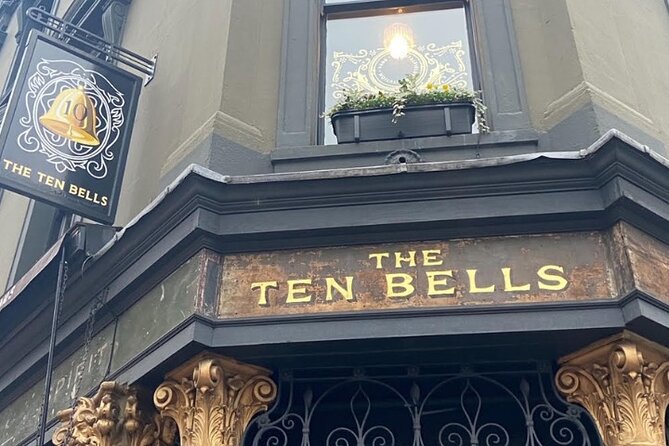
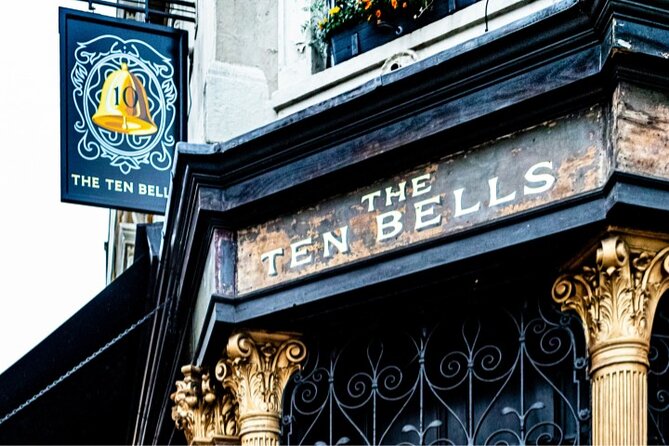
The Ten Bells is the stop people talk about. It’s the most famous location associated with Jack the Ripper, and the tour treats it like more than a photo opportunity. You’ll visit the pub and learn about which victims were known to have visited in the hours leading up to their deaths, then you’ll work through the haunting question: did Jack the Ripper visit too?
This is one of the most engaging parts of the tour because it forces you to think like a Victorian investigator. Instead of asking you to memorize details, your guide helps you weigh what’s known, what’s suggested, and what remains uncertain. That method keeps the story moving even if you’ve already heard a documentary or two.
It also helps that this stop is short, about 10 minutes. You get enough time to absorb the significance, but you’re not stuck in one place too long. When you step away, you’re ready for the next clue, not mentally rebooting mid-tour.
One note to set expectations: the Ten Bells you see today may not feel like a frozen-in-time horror set. You might find it warm and lively, which makes the storytelling experience land even harder. The contrast is part of the point, because the real story happened among ordinary places.
Goulston Street and the Catherine Eddowes evidence moment
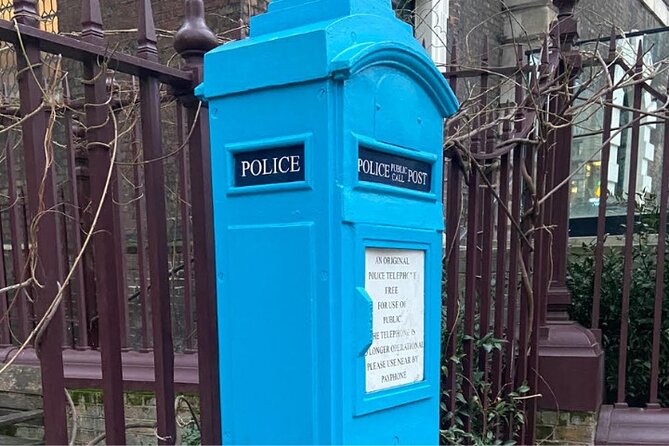
If Ten Bells is the myth magnet, Goulston Street is where the tour gets sharper. This street is linked to the case because of a piece of evidence connected to Catherine Eddowes in 1888. After the murder, part of her bloodied apron was found in a doorway on this street, which put Goulston Street at the center of how people interpret the case.
For you, this stop is valuable because it changes the tone from “legend” to “forensics and investigation.” Even if you don’t know the full timeline, you’ll understand why this detail matters. It’s the kind of information that helps explain how certain theories became persuasive, and why others never fully held together.
The stop itself is brief, around 10 minutes, but it’s packed with meaning. And because your guide is tying the street to an evidence story, you’re more likely to remember it later than you would from a simple plaque photo.
Brick Lane: connecting the victims to the street-level reality
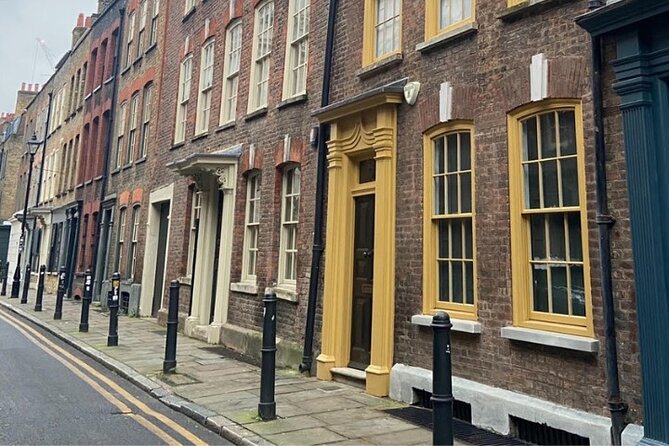
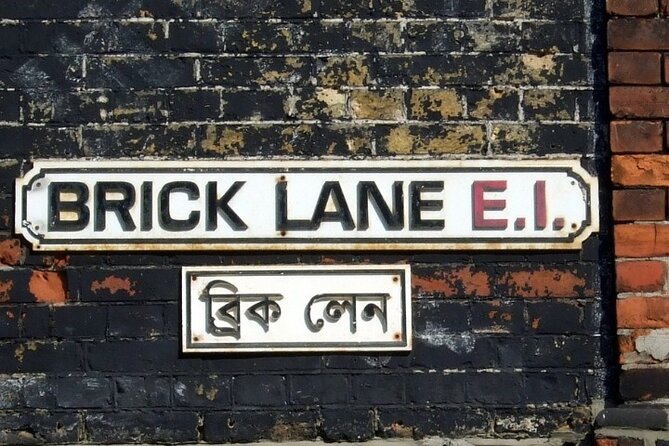
Next up is Brick Lane, another East End name that carries a dark association. Here, your guide links the street to the impoverished East End setting of 1888, where victims were frequently connected to the area. The goal is to help you understand how the Ripper story was not limited to one alley or one moment. It played out across the routine routes and crowded corners where people lived and moved.
What I like about including Brick Lane is that it broadens your mental map. Whitechapel gets attention, but the story’s reach shows up in the surrounding streets too. If you’ve ever wondered why people keep mentioning the East End as a whole, this stop answers that question in plain, practical terms.
Potential drawback: since this is about atmosphere and context more than one single “smoking gun,” you’ll get the most out of it if you stay engaged with your guide’s commentary rather than treating it as another quick stop for pictures.
More Guided Walks in London
- Tour for Muggles The Ultimate Harry Potter Walking Tour in London★ 5.0 · 4,684 reviews
- Changing of the Guard Guided Walking Tour in London★ 5.0 · 1,793 reviews
- The Great British Rock and Roll Walking Tour★ 5.0 · 1,371 reviews
- Westminster Guided Walking Tour with Abbey Entry★ 5.0 · 1,282 reviews
Spitalfields Market and Christ Church Spitalfields: where everyday life met danger
Two of the tour’s stops pull you into a wider sense of daily life near Whitechapel: Spitalfields Market and Christ Church Spitalfields.
At Spitalfields Market (E1), you’ll learn how the market sat in the shadow of the 1888 murders. Your guide explains that several victims lived in the area or were last seen near these bustling surroundings. The important point for you is that the fear was not tucked away. It was near places where people would normally shop, move through crowds, and go about normal routines.
Then you move to Christ Church Spitalfields, a nearby landmark that your guide frames as a silent witness to that era. It’s connected to the “last seen nearby” logic, which is eerie in the best way: you begin to picture people passing by familiar structures while the case unfolded nearby.
Each of these stops is about 10 minutes, so you won’t feel rushed. But because they’re short, your guide’s role is even more important. You’ll want to listen closely at the start of each stop, so you understand what you’re looking at and why it matters.
St Botolph’s Aldgate and the church locals called the Church of Prostitutes
The walk closes in yet another direction that many visitors don’t know well: St Botolph’s Aldgate. Your guide connects the church to the case through its proximity to Whitechapel’s crime scenes. It’s known as the Church of Prostitutes because women often gathered nearby for safety, and that detail is tied to where several victims were known to frequent.
This is a sensitive stop, and it’s also a reason the tour’s tone matters. A respectful guide makes the difference between exploitation and education. From the way guides on this tour have been described, the best versions of this walk prioritize honoring the victims and speaking carefully about prostitution and violence rather than treating them like cheap sensational plot points.
If you’re worried the tour will be too dark, don’t ignore that instinct. The themes are real. Still, if you want a more complete picture of what the case meant for real people, this stop provides necessary context.
Price and what $19.41 gets you in London time
Let’s talk value. This tour costs $19.41 per person and runs about 2 to 3 hours. That’s a fairly budget-friendly way to cover multiple sites that would otherwise take you hours to piece together yourself. The big value isn’t just the price tag. It’s the fact that you get a guide to turn street corners into clues, evidence, and theories.
Also, the tour includes the essentials you’d want if you’re paying for storytelling:
- a professional tour guide
- real-life crime scenes around Whitechapel
- theories, clues, and evidence around identity questions
- stories of victims and East End life in Victorian London
- East End landmarks including Spitalfields Market and Brick Lane
Another value detail: the stops indicate admission tickets are free. So you’re not signing up to pay extra at each point.
Timing-wise, the fact that this is commonly booked around 48 days in advance is a hint. If you want a specific day or language time window, it’s smart to book sooner rather than gambling on last-minute availability.
The guide makes the difference, and names like Carolina and Adam matter
A lot of walking tours rise or fall on the guide’s style. The strongest versions of this tour have been described as knowledgeable and fast-moving without losing clarity. Two guide names stand out in the experience of past guests: Carolina and Adam.
Carolina is praised for being engaging while keeping information digestible, and for focusing on honoring the victims. Adam is praised for being friendly, humorous, and for sharing facts that people hadn’t heard before, while still keeping the tone respectful.
You’ll also hear that the guide may use helpful photos to explain context and bring evidence discussions into focus. That matters because it helps you visualize what you’re hearing as you walk past the places connected to the story.
Small-group pacing, good footwear, and what to bring
With a maximum of 25 travelers, you usually get better question time and less stopping-and-starting. Still, it is a walking tour. Wear comfortable shoes and keep water handy, especially if the weather turns warm.
The tour also notes it is near public transportation, which is helpful if you’re combining it with other plans in East London. Since it starts at Aldgate Station and ends at The Ten Bells, you can thread it into a day that includes other East End stops without doubling back.
If you’re coming with a stroller or you need mobility support, plan ahead: this tour is not suitable for prams, buggys, or strollers, and it’s not suitable for guests with walking or mobility difficulties. If that describes you, you may want to look for a different format that’s easier on your legs and joints.
Finally, bring your expectations about tone. This walk covers murder and prostitution, and children’s participation is at parents’ discretion, with a recommendation of age 14+. The guide won’t adjust the tour for children.
Should you book this Jack the Ripper walking tour?
Book it if you want a structured Whitechapel walk that covers the famous sites plus the less-talked-about victims and locations. I think it’s a great pick for mystery lovers who also like evidence and context, not just a spooky story told fast.
Skip it if you’re looking for light entertainment, because this one is built around serious themes and a respectful, victim-centered approach. Also skip it if you need stroller access or mobility-friendly routing, since this tour is not suitable for that.
If you do book, plan to end at The Ten Bells in a normal London way, not a grim museum mood. It’s a practical finish, and it gives you a chance to keep the conversation going over a pint.
FAQ
How long is the Jack the Ripper walking tour of London?
The tour lasts about 2 to 3 hours.
Where does the tour start and where does it end?
It starts at Aldgate Station, Aldgate High St, London EC3N 1AH, and ends at The Ten Bells, 84 Commercial St, London E1 6LY.
How much does the tour cost, and is admission included at the stops?
The price is $19.41 per person. The tour notes that admissions at the listed stops are free.
Is the tour suitable for children?
The tour covers dark and mature themes including murder and prostitution. Children’s participation is at parents’ discretion, and the recommendation is that children be aged 14+.
Is this tour accessible for strollers or people with walking or mobility difficulties?
No. It is not suitable for guests with walking or mobility difficulties, and it is not suitable for prams, buggys, or strollers.
What if the weather is bad or I need to cancel?
There is free cancellation. You can cancel up to 24 hours in advance for a full refund. The tour requires good weather, and if it’s canceled due to poor weather you’ll be offered a different date or a full refund. The tour also requires a minimum number of travelers.
On Foot, Brolly Optional
- Walking Tour of London Westminster Abbey, Big Ben, Buckingham
★ 4.5 · 1,213 reviews - London West End Musical Silent Disco Walking Tour Top 1% Rated
★ 5.0 · 1,057 reviews - Westminster 3 Hour Walking Tour and Visit of Churchill War Rooms
★ 5.0 · 967 reviews - WW2 London Walking Tour & Churchill War Rooms Entrance Ticket
★ 4.5 · 933 reviews
Gaslit Lanes
- The Original Jack the Ripper : Guided Tour
★ 5.0 · 1,264 reviews - Ghost Bus Tour of London
★ 4.0 · 961 reviews - Ghastly Ghost Walking Tour in London
★ 5.0 · 878 reviews - Jack the Ripper Walking Tour in London
★ 5.0 · 354 reviews
Latest to join the queue for London






Jack the Ripper & Ghost Walks, compared.
London Jack the Ripper Guided Tour with Ripper-Vision
Read our review →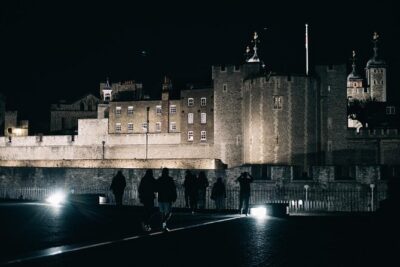
Ghost, Ghouls and Gallows Tour : Guided Tour with Boat Ride
Read our review →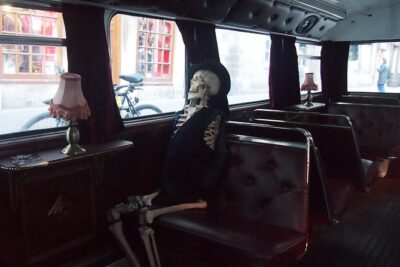
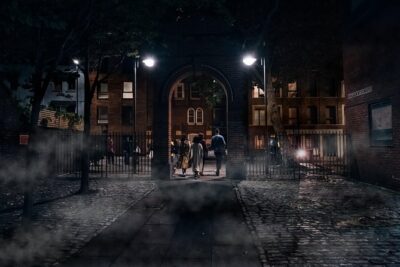
Ultimate Jack the Ripper : Guided Tour of London
Read our review →
Shadows of York: Ghost Walk and Horrible History.
Read our review →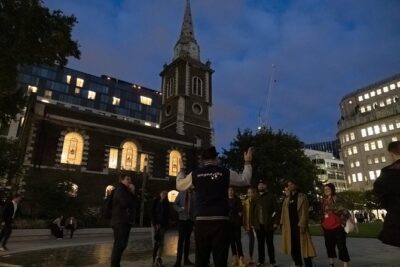
The Original Jack the Ripper : Guided Tour
Read our review →

Browse the lists this tour appears in