Reviewed · TICKETS
Handel Hendrix House General Admission
Two musicians, one street, two centuries. This General Admission ticket lets you wander Handel’s house and then step into the next-door Hendrix flat at your own pace.
I especially love the contrast, baroque London music rooms downstairs and swinging 1960s London on the third floor. You also get strong atmosphere cues, from the old staircase up to the chance of hearing instruments played while you visit. One drawback to plan for, the staircase is steep and wonky in a very 250-year-old way.
At 25 Brook Street in central London, this visit works well if you have a flexible chunk of time. You will get a mobile ticket and it is offered in English, with open hours from Wednesday to Sunday, 10:00 AM to 5:00 PM (last admission at 4:00 PM).
What makes the place feel extra alive is the way music is built into the visit. The house is set up for you to pause in rooms where Handel worked, rehearsed, and composed, and you might hear instruments while you’re there.
In This Review
- Key points before you go
- Entering 25 Brook Street, and fitting it into your day
- Handel’s House, the staircase, and why the layout matters
- Restored music rooms, temporary displays, and what to pay attention to
- The Hendrix flat on the third floor, staged for 1968 to 1969
- Hendrix-era items to look for, from guitars to effects
- When music shows up during your visit
- Staff help and the small moments that make it work
- Price and value for money, plus timing strategy
- Who should book this ticket
- Should you book the Handel Hendrix House General Admission?
- FAQ
- Where is the Handel Hendrix House?
- What is included with General Admission?
- How long does the visit take?
- What are the opening hours and last admission time?
- Is the visit self-paced?
- Is the experience available in English?
- Will I receive a mobile ticket?
- Can children visit?
- Is free cancellation available?
Key points before you go
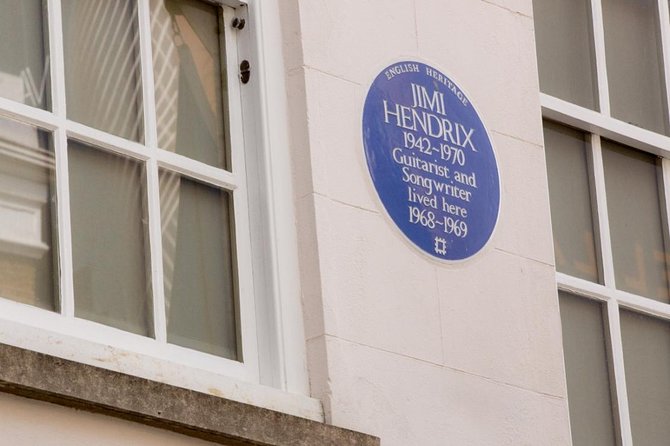
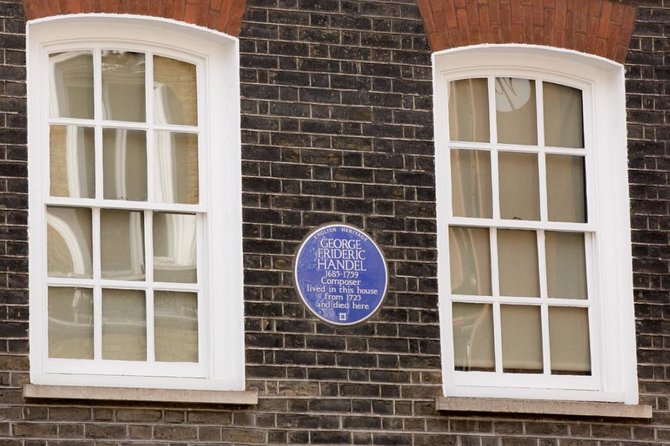
- Two stories on one address: Handel’s home from 1723 to 1759, plus the Hendrix flat from 1968 to 1969
- Stairs are part of the experience: a 250-year-old staircase sets the tempo from minute one
- Messiah and music drama: you’ll see the rooms tied to Handel’s work and famous moments tied to opera rivalries
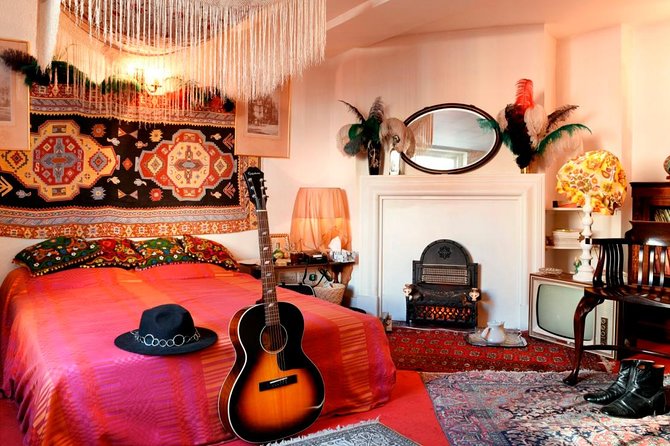
- Period-leaning Hendrix recreation: the third floor is staged to reflect the Hendrix living room layout
- Music sounds in real time: harpsichord or strings may be heard during your visit, depending on the day
- Small but specific displays: you get details like the Epiphone acoustic guitar and Roger Mayer’s Octavia
Entering 25 Brook Street, and fitting it into your day
This is a simple ticketed visit. You make your own way to 25 Brook Street and enter during opening hours at the time you prefer. Because it runs about 1 to 2 hours, it slots nicely into a day that also includes other London stops nearby.
The hours are limited, so pick a day that matches your schedule. It is open Wednesday through Sunday, 10:00 AM to 5:00 PM, with last admission at 4:00 PM. If you arrive close to the cutoff, you’ll still see the main sections, but you may feel rushed.
The format is self-paced, which is a big deal. You do not have to keep up with a group timeline. If you are the type who pauses for a photo, reads the labels slowly, and listens for the sounds in the rooms, you’ll appreciate that.
Also, quick reality check: this is not a level, modern museum experience. You will climb a historic staircase as part of reaching key parts of the house. If stairs are an issue for you, plan a more conservative visit length, or consider calling ahead for practical guidance.
Also on in London, no fuss



Handel’s House, the staircase, and why the layout matters
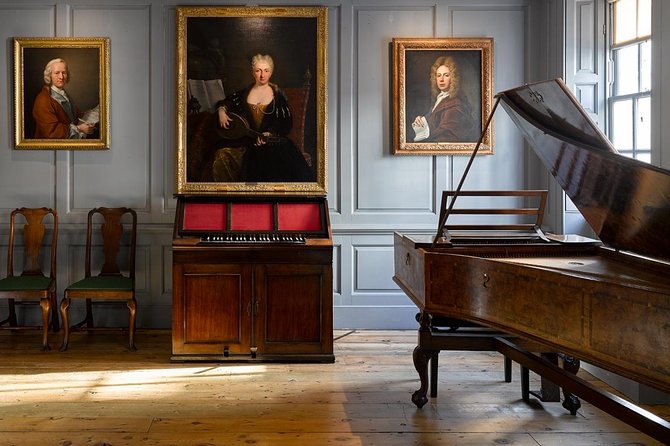
The Handel side of the museum is where the experience starts to feel physical. You go up the 250-year-old staircase, and the building’s age changes how you experience the rooms. It is not just a fact on a label. The climb sets the tone before you even reach the music spaces.
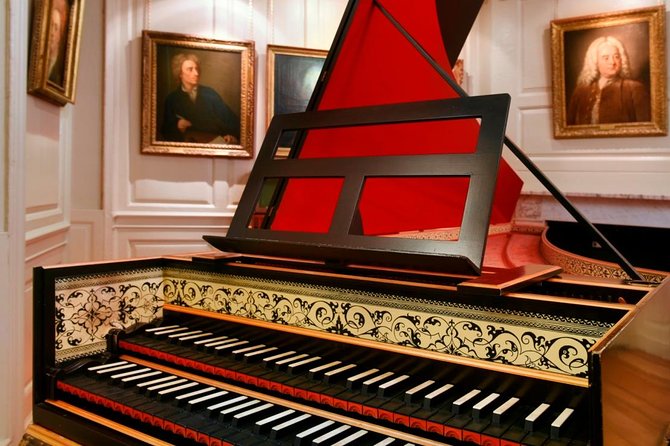
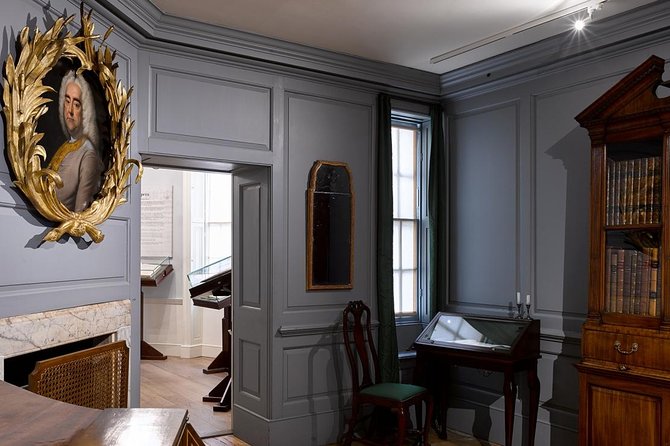
Once inside, you move through restored rooms where Handel lived and worked from 1723 to 1759. The key idea here is that this is a home built around music-making. You are not only looking at artifacts, you are walking through the same kinds of spaces where Handel composed, rehearsed, performed, and had musical conversation.
One highlight is the way the museum ties specific drama to the architecture. For example, you can see windows the museum connects to Handel’s threats toward opera performers who refused to sing his arias. Whether you like opera or not, it gives Handel a sharper edge than the usual composer biography.
You will also find that the rooms connected to his famous work get their moment. Handel’s connection to Messiah is woven into the tour layout, with you encountering details about how it was penned here.
If you enjoy music history that feels like a real workplace, you’ll like the pacing. Spend extra time where the rooms link to compositional or performance routines. It makes Handel feel less like a name and more like a working artist with deadlines and opinions.
Restored music rooms, temporary displays, and what to pay attention to
The Handel house is organized so you can wander and still make sense of the story. As you move through the restored music rooms, look for how the museum frames Handel as a London-based celebrity composer with influence and conflict.
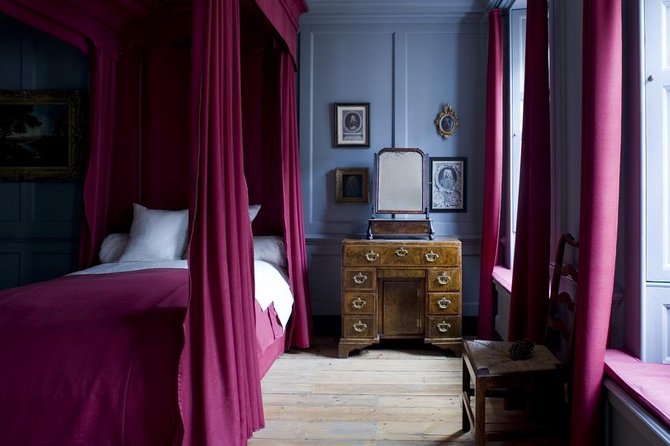
Don’t rush the smaller spaces either. The museum includes a dressing room and bedroom, and it is tied to the period around Handel’s death. Those quieter rooms can hit harder than the grand music spaces, because they help you picture the man beyond performances.
There may also be temporary additional exhibitions connected to Handel’s life, work, and contemporaries. Since these rotate, they can be a reason to visit even if you think you already know the basics. If a temporary display is running that day, it often gives a fresh angle on how Handel fits into London’s broader musical scene.
A practical tip: read label headings first, not every sentence. Then pick a few sections that match your interests, like composition, performance life, or opera politics. That way you avoid spending the entire visit on text that does not hold you.
The Hendrix flat on the third floor, staged for 1968 to 1969
After Handel’s world, the museum makes a bold jump up to the third floor. This is where you visit the next-door flat connected to Jimi Hendrix’s London period, from 1968 to 1969.
The museum frames London as a place that helped make Hendrix famous. It also leans into the idea that the flat was the first real home Hendrix called his own. In practical terms, you’re not just reading facts. You are placed in a room recreated to reflect how Hendrix’s main living space was set up in that era.
The staging includes details tied to Hendrix’s everyday life, including how he lived and played there. The experience works best if you keep your focus on the room itself, not only the panels. Watch how the museum presents the layout, and then read the label context after you have a sense of what you are looking at.
One especially valuable connection is the behind-the-scenes effort on authenticity. The museum notes that Kathy Etchingham consulted on the Jimi room. That kind of involvement tends to show up in how the room feels consistent with Hendrix’s lived experience, not just a generic recreation.
If you are a Hendrix fan, you’ll likely spend longer here. If you are not, you may still appreciate it as a snapshot of 1960s London home life and how artists translated the city’s energy into their work.
Hendrix-era items to look for, from guitars to effects
The Hendrix side includes small displays with big meaning for guitar fans. You might see the Epiphone acoustic guitar and Roger Mayer’s Octavia. These are not random collectibles. The way they are presented connects the objects to Hendrix’s sound and his use of effects.
Pay attention to the museum explanations about why he used those effects. They help you move from thinking of Hendrix as only a legend to understanding him as an inventor in the studio and on stage.
This part of the visit is also a great example of why the visit is worth your money even if you know only a few Hendrix songs. You can connect the visuals to sound and technique, and that makes the room more than a shrine.
If you are into music technology, this section can easily become your favorite part of the whole visit. If you’re less technical, you can still enjoy it by treating the displays as a guided tour of how an iconic sound gets built.
While the kettle’s on in London:
- Stonehenge, Windsor Castle and Bath with Pub Lunch in Lacock★ 4.5 · 7,402 reviews
- Tower of London and Crown Jewels Exhibition Ticket★ 4.5 · 6,677 reviews
- Thorpe Park Admission Ticket★ 4.0 · 5,915 reviews
- Stonehenge, Windsor Castle and Bath Full Day Guided Tour★ 4.5 · 5,346 reviews
When music shows up during your visit

The museum experience can include actual sound. The Handel house in particular is set up for music to be part of the atmosphere, and the museum notes that harpsichord performances often happen there.
You may also hear strings, and on some days you might catch musicians rehearsing for an evening concert. That kind of live practice can change the whole feel of the visit. Suddenly the rooms do not feel like a museum set. They feel like someone is using the space the way Handel’s London did.
Because this is not guaranteed in the way a scheduled show is, treat it as a bonus. Still, it is a strong reason to choose a time earlier in your visit window. If you want more chance of hearing something, aim for mid-morning or early afternoon, when music activity may be underway.
Either way, even without live sound, the building design and the way the rooms are arranged make it easier to imagine what it was like to rehearse in a home where music mattered.
Staff help and the small moments that make it work
You cannot beat helpful staff in a small museum like this. One of the best parts of the experience is the way staff can connect what you see to what it means musically, both for Handel and for Hendrix.
I also like that the visit does not feel overly stiff. The house setting invites questions. If you ask about what you are seeing, you are likely to get straight answers and practical context, especially around the objects on display and the room staging.
Another value point is that the museum gives you enough structure to enjoy a self-paced visit. You can explore freely, but you are not left guessing where to focus. The layout pulls you from Handel’s world to Hendrix’s world in a way that feels logical.
If you are traveling with someone who cares more about one era than the other, this design can still work. You can each spend your time with what you care about, without the visit feeling like you have to split up or miss key sections.
Price and value for money, plus timing strategy
The ticket price is $19.98 per person, and it includes admission to both parts of the museum. For London, that is a practical value when you consider that you are getting two major music eras in one visit, Handel and Hendrix, on the same Brook Street address.
The self-paced format also adds value. You are not paying for speed through a script. You can decide how much time to give each floor, and you can linger when something grabs you. The museum time range of 1 to 2 hours also makes planning easier, especially if your day is already packed.
Timing tip: if you are a Hendrix fan, you might want to spend more time on the third floor and skim a bit faster on the Handel side. If you are more into classical music or composition, do the opposite. The museum allows this without feeling like you are doing it wrong.
Also, note the daily hours. With opening Wednesday to Sunday only and last admission at 4 PM, a bad choice of day can ruin your plan. Pick the day first, then time your other sightseeing around it.
Who should book this ticket
This is a great fit if you like music that has a sense of place. If you enjoy understanding how composers and performers lived and worked, you’ll appreciate the Handel rooms and how the museum connects specific moments to the home itself.
It also works well for guitar fans. The third-floor flat is built for the Hendrix story, and the inclusion of items like the Epiphone guitar and the Octavia helps connect Hendrix’s sound to physical objects.
If you are traveling with kids, they can go, but children must be accompanied by an adult. Because the visit includes stairs, it can be a long day for younger visitors if they tire quickly, so plan a calm pace.
If you are limited on mobility, the staircase factor is the main consideration. Since the museum includes the ascent as part of the experience, think carefully about what you can comfortably handle.
Should you book the Handel Hendrix House General Admission?
Yes, I’d book it if you want a music-focused London stop that is short, easy to schedule, and genuinely about two eras of real creative life. The price is reasonable for what you get: Handel’s rooms, including the spaces tied to Messiah, and the Hendrix flat recreation with period details and instruments.
I’d also book it if you like self-paced visits. This is not a hurried checklist tour. It gives you room to wander, read, and let the atmosphere do some of the work.
If you are sensitive to stairs or you only want a guaranteed guided talk at a specific time, you might find the experience less ideal. The museum is self-paced and includes climbing, so plan around your comfort and the day’s schedule.
FAQ
Where is the Handel Hendrix House?
The museum is at 25 Brook Street in London, England.
What is included with General Admission?
General Admission includes admission to the Handel and Hendrix Museum, so you can explore both the Handel House and the Hendrix flat.
How long does the visit take?
Plan for about 1 to 2 hours.
What are the opening hours and last admission time?
It is open Wednesday to Sunday from 10:00 AM to 5:00 PM, and the last admission is at 4:00 PM.
Is the visit self-paced?
Yes, you explore at your own pace during opening hours.
Is the experience available in English?
Yes, it is offered in English.
Will I receive a mobile ticket?
Yes, the ticket is a mobile ticket.
Can children visit?
Children must be accompanied by an adult.
Is free cancellation available?
Yes, you can cancel for a full refund up to 24 hours in advance of the experience start time.
Latest to join the queue for London







Tickets, compared.

Tower of London and Crown Jewels Exhibition Ticket
Read our review →

Alton Towers Resort 1 Day Admission Ticket
Read our review →



Chessington World of Adventures Resort Admission Ticket
Read our review →