
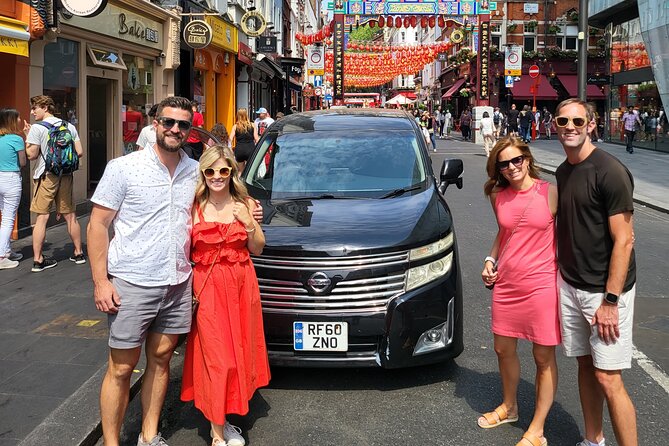
Reviewed · COTSWOLDS VILLAGE TOURS
Exciting Private Driving Cotswold Countryside Tour
One trip, so much English scenery you barely know where to look. This private driving tour gives you guide commentary and a tightly timed loop through Burford, Bibury, Oxford, and the Cotswolds. I like that it is private, so the pace and photo stops can match your group, not a big bus schedule.
The best part is how many “icon” places you can hit in about five hours, with short visits that still include key context. One thing to keep in mind is the schedule is packed, with many stops listed at around 15 minutes, so it is best if you enjoy seeing a lot rather than lingering.
In This Review
- Key highlights to know before you go
- How a private driving tour changes your Cotswolds day
- The pacing plan: why 15-minute stops can feel perfect
- Burford first: a fast taste of Cotswolds charm
- Bibury: Arlington Row, the River Coln, and Saxon-era details
- Bibury can also be hands-on: trout farm and beyond
- Blenheim Palace: Churchill birthplace plus UNESCO-scale grandeur
- Oxford without getting stuck in a maze
- Stow-on-the-Wold and church stops that slow the pace
- Bourton-on-the-Water: bridges, the Model Village, and a sweet reset
- Cotswold Motoring Museum, Birdland Park, and Toy Collection
- A key “photo strategy” for a packed day
- What might cost extra: admissions listed as free vs not included
- Price and value: is $547.31 per person worth it?
- Who this tour is best for (and who should skip it)
- If you love variety, you will likely enjoy this loop
- Should you book it?
- FAQ
- How long is the Cotswold countryside private driving tour?
- Where does the tour start and where does it end?
- Is pickup offered?
- Is this a private tour?
- What language is the tour offered in?
- Are tickets included for all stops?
Key highlights to know before you go
- Private driving with lunch means you spend less time figuring out transport and more time looking at the sights
- Short, 15-minute stop cadence works well for a highlights day, but it is not slow travel
- Arlington Row in Bibury includes famous weavers cottages, plus extra storytelling about Arlington Mill and even the British passport connection
- Blenheim Palace and Oxford together is a smart one-day combo if you want Churchill history and university landmarks
- Oddball fun options like the Cotswold Motoring Museum, Birdland Park, and the Bibury Trout Farm fit mixed-age groups
- A few admissions are marked not included (like Blenheim Palace and The Swan Hotel area), so plan for extras
How a private driving tour changes your Cotswolds day
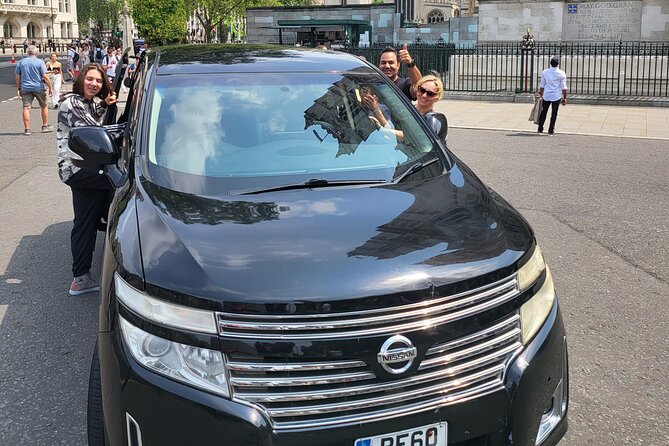
This is a London departure that turns into a countryside and Oxford-focused outing. You meet at Charing Cross Strand in London, and the experience ends back at the same start point. You also get the “easy mode” of being in a private vehicle, so you are not juggling train times or transfers.
The day is built around a guide-led experience, with commentary meant to help you understand what you are seeing while you are actually there. And because it is private, your group is the only group in the vehicle, which usually makes stops feel less chaotic than public transport crowds.
A practical note: the tour duration is listed as about five hours, even though the description sometimes reads like a full day. The real tell is the stop timing, with many locations set for roughly 15 minutes each. Think highlights sprint, not a slow picnic-and-photos afternoon.
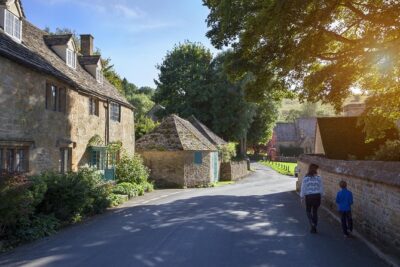
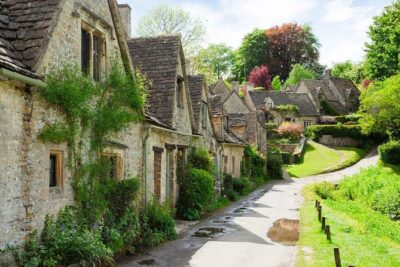
More honey-stone lanes and low hedges:
The pacing plan: why 15-minute stops can feel perfect
This route stacks a lot of famous names into a single loop. Burford, Bibury, Oxford, Stow-on-the-Wold, Bourton-on-the-Water, and several extra stops make the day feel like a greatest-hits playlist. The upside is variety, and you get to compare different towns and styles without spending hours moving hotels or planning separate day trips.
The tradeoff is time. Most stops are brief, so you should be ready to move with purpose. If you love sitting quietly for a long time in one churchyard or inside one museum, you might feel the clock watching you.
My advice: treat each stop like a photo plus a quick orientation moment. If something grabs you, plan to re-visit it later on a longer trip. Here, you get the quick “get your bearings” version, with the guide filling in the why.
Burford first: a fast taste of Cotswolds charm
Your first stop is Burford, often called the Gateway to the Cotswolds. It is a picturesque market town known for medieval-style architecture and classic countryside views. Even in a short stop, you can get the feel of why people plan day trips here, especially for the stone streets and compact historic center.
Because admission is listed as free for this stop, your time can go straight into wandering. Burford is a good place to start because it sets the mood, before you switch into the very “postcard-famous” villages like Bibury.
Watch for photo timing: if you are chasing the perfect light on stone buildings and narrow lanes, the earlier stop usually gives you better flexibility. Once the day gets moving, you may only have moments.
Bibury: Arlington Row, the River Coln, and Saxon-era details
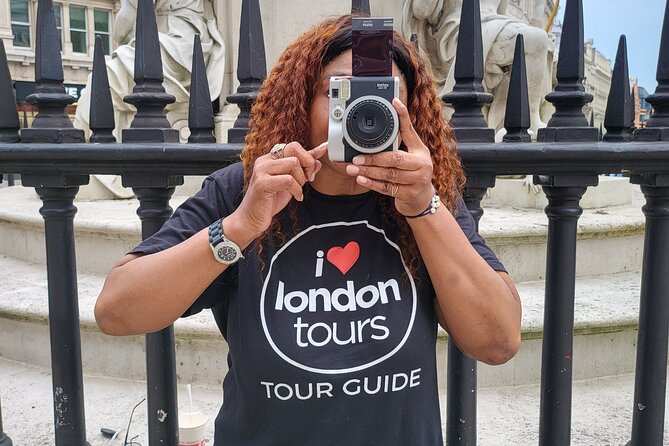
Bibury is the heart of this route, and you hit it repeatedly, in a way that lets you see different angles fast. Arlington Row is one of the big names here, with 17th-century weavers cottages that have been carefully preserved. The cottages originally supported Arlington Mill, an old mill site that is now a tourist attraction, and the guide-friendly context helps you see beyond the cute exterior.
A fun detail you might hear during your stop: Arlington Row’s image is even featured inside British passports. That kind of reference helps the place feel more than just an Instagram stop, because it shows how iconic it has become in British culture.
Then you shift along the river area, including stops around The Swan Hotel and the village itself. The Swan Hotel is a 17th-century coaching inn set along the River Coln, and admission is marked as not included. In practice, that usually means your visit is about seeing the building and taking in the setting, not buying into a separate paid experience as part of the tour.
From there, you get a strong historical anchor with St Mary’s Church. It is described as a Saxon church dating back to the 11th century, with stained glass and detailed stonework. Even with limited time, a church stop can be a nice reset because it gives you a sense of continuity, long before the villages became visitor magnets.
Bibury can also be hands-on: trout farm and beyond
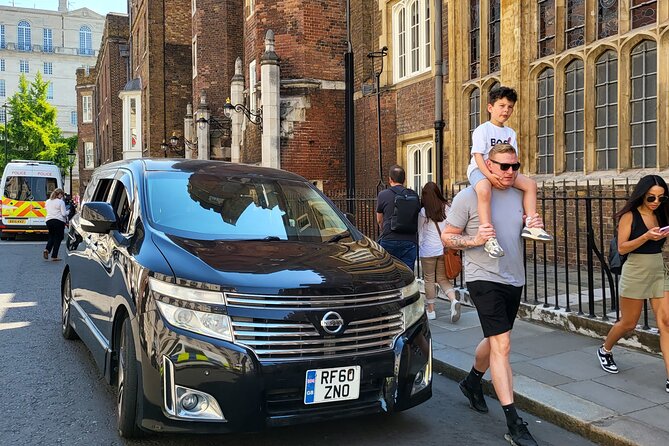
One of the more active stops on the day is the Bibury Trout Farm, established in 1902. It is listed as admission free in the schedule, and it is known for the chance to catch your own trout. If you are traveling with kids or anyone who likes something practical, this is often where the day shifts from sightseeing to doing.
The farm also includes a scenic walk around the grounds. Even if you do not catch a fish yourself, the walk portion can give you a break from the tight-town hopping that fills most of the day.
If your group prefers gentle outdoors over indoor attractions, this is a strong match. If you hate waiting around for activities, you will still get to see the setting, but keep your energy focused on the parts you really want.
Also on in London, no fuss
- Stonehenge, Windsor Castle, and Bath from London★ 4.5 · 18,662 reviews
- London Big Bus Hop-On Hop-Off Tour with Optional River Cruise★ 3.5 · 10,803 reviews
- London Small Group Tour of Historical Pubs★ 5.0 · 10,422 reviews
- Stonehenge, Windsor Castle and Bath with Pub Lunch in Lacock★ 4.5 · 7,402 reviews
Blenheim Palace: Churchill birthplace plus UNESCO-scale grandeur
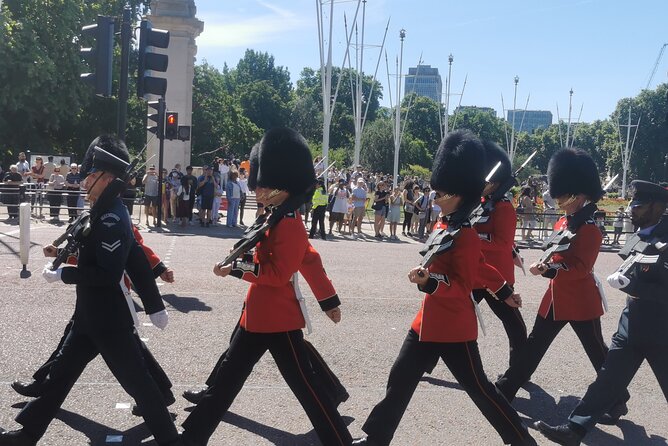
Next up is Blenheim Palace, marked as UNESCO World Heritage. You learn that it is the birthplace of Sir Winston Churchill, born there in 1874. It was built in the early 18th century as a gift from Queen Anne to John Churchill, the 1st Duke of Marlborough, in recognition of victory at the Battle of Blenheim.
This is also one of the few spots where admission is explicitly marked not included, so this is where you might see the first extra cost of the day. Even if you only get part of it in, the palace scale tends to hit hard when you are standing next to it, especially after the smaller village streets.
Because your stop time is listed as about 15 minutes, I suggest setting expectations: you are not touring everything inside. You are catching the big picture, learning the key stories, and getting back into the van.
Oxford without getting stuck in a maze
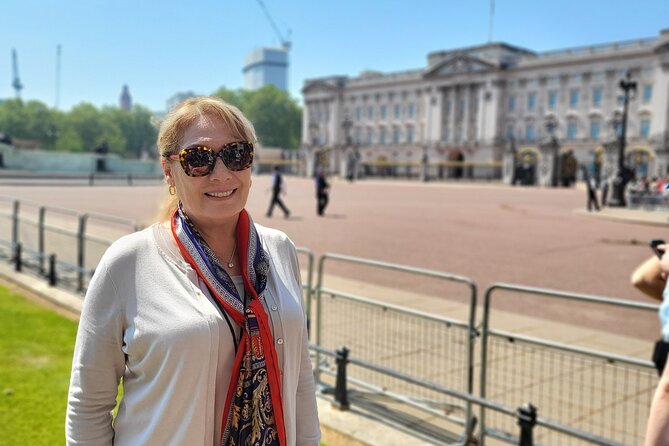
The route then goes straight into Oxford, with University of Oxford plus several specific landmarks. Oxford is explained in the schedule as having teaching going back to at least 1096, and it is not one single campus, but 39 independent colleges across the city. That framing matters because it helps you understand why the city feels like it is made of separate “worlds,” not one neat bubble.
You also stop at the Radcliffe Camera, completed in 1749, originally built for a science library and now part of the Bodleian Library system. The circular shape and domed roof are exactly the kind of architecture your camera loves. It is the sort of stop where, in 15 minutes, you can still walk around enough to see the structure from a couple angles.
Another Oxford stop is the Covered Market, which opened in 1774 to bring vendors under one roof. You get to see how it still has historic ironwork and independent shops, with cafés and artisan stores. If you want a small snack break or a quick browse without losing the day, this kind of covered stop is handy.
And yes, Oxford is famous for big crowds in peak season. The advantage here is timing and being driven, so you spend less time navigating and more time doing what matters to you.
Stow-on-the-Wold and church stops that slow the pace
After Oxford, you head into the Cotswolds towns, and the route includes Stow-on-the-Wold, described as a charming market town. This is a classic “stone streets and independent shops” kind of place, plus it has strong historic references.
In Stow, you also have stops for St John the Baptist Church and St Edward’s Church. St John the Baptist Church is noted for origins in the 12th century, with a spire, stonework, and stained glass windows. St Edward’s Church is described as having an enchanting north door flanked by ancient yew trees, and it is said to have inspired J.R.R. Tolkien’s Doors of Durin in the Lord of the Rings series. That Tolkien connection is exactly the sort of detail that makes a short church stop feel memorable.
You also get Market Cross in Stow, with mention of ancient stocks and an old town well nearby. In a quick visit, these details help you picture what everyday life looked like when the market was doing its job day after day.
If your group likes lore, these church and town stops are where the guide commentary can do a lot of heavy lifting, turning plain stone into a story you remember.
Bourton-on-the-Water: bridges, the Model Village, and a sweet reset
Bourton-on-the-Water is often called the Venice of the Cotswolds, and the description focuses on the River Windrush and low arched stone bridges. In short time, those bridges give you strong visual structure, and the river setting can feel calming compared with town centers.
The route also includes the Model Village, described as a one-ninth scale replica of the village itself. This is a playful way to understand the layout without walking every street. It is especially useful if you are short on time, because it turns exploration into orientation.
Between these two stops, you get a nice rhythm: real river-and-bridge views, then a quick scale model that makes the village geography click.
Cotswold Motoring Museum, Birdland Park, and Toy Collection
Not every Cotswolds day trip includes anything like this, and that is part of the value. The Cotswold Motoring Museum & Toy Collection is on the route, offering a look at vintage cars, motorcycles, and motoring memorabilia. If anyone in your group likes vehicles, this adds a different flavor that balances all the churches and stone villages.
Then there is Birdland Park & Gardens, with birds including penguins, flamingos, and parrots. If your group includes kids, this stop can become a highlight because you do not need deep historical context to enjoy animals.
These two are also a good reminder of what “private driving” can do for you. It allows a route that fits mixed interests, rather than forcing everyone to stick to strictly heritage sites.
A key “photo strategy” for a packed day
With so many stops, your success depends on habits. I’d plan for quick walks between viewpoints, and I would keep your camera ready at the start of each town. If you wait until the last minute to pull everything out, you will lose your best light or your easiest angle.
Also, decide ahead of time what your top two must-see stops are. If time gets tight, you can spend longer at the two that matter most to you, and use the rest for quick orientation and photos.
What might cost extra: admissions listed as free vs not included
The schedule marks many stops as admission ticket free. Those include Burford, Arlington Row, Bibury village stops, churches in the towns, Covered Market, Radcliffe Camera, the Model Village, and several others like the Motoring Museum, Birdland Park, and Bibury Trout Farm.
However, two places are explicitly marked as admission ticket not included: The Swan Hotel stop and Blenheim Palace. Because your time at each is short, your experience at those locations can depend on whether you choose to pay for entry or only view from outside.
If you want the inside experience at Blenheim Palace, I would budget for it. If you mainly want the exterior and quick stories, you may be able to keep costs down.
Price and value: is $547.31 per person worth it?
At $547.31 per person for about five hours, this tour is not a budget play. But it is also not paying just for a “pretty drive.” You are paying for private transport, a guide who adds context at each stop, lunch, and the ability to hit many locations without handling logistics.
This can be value-smart if:
- you are traveling with a group and the private vehicle cost works out better than individual taxis or trains
- you want Oxford plus multiple Cotswolds towns in one day without separate planning
- you do not want to waste half the day on transit and directions
It might be less worth it if you are the type who wants slow, deep museum time at one place. This route favors variety over depth, and the 15-minute stop rhythm can feel like a sampler.
Who this tour is best for (and who should skip it)
This works best for you if you:
- love “highlights days” and can handle short stops
- want a guided explanation at historic churches, market towns, and iconic Oxford buildings
- have mixed ages or interests, since it includes both nature and fun stops like Birdland and the Motoring Museum
It is less ideal if:
- you want extensive time inside major attractions
- you hate running from stop to stop
- you want to shop for hours in one town and wander without a schedule
One more small but real tip: because several stops are in older towns and churches, wear shoes that handle uneven pavement and short climbs. Even if the tour is not described as physically demanding, these places can be trickier underfoot than modern streets.
If you love variety, you will likely enjoy this loop
This day is a mash-up for a reason. Bibury gives you classic cottages and river views. Oxford adds university landmarks and architecture. Stow and Bourton-on-the-Water bring market-town charm plus specific sights like bridges and the Model Village. Then the day rounds out with hands-on and family-friendly options like the trout farm, bird park, and motoring museum.
The result is a route that covers a lot of “England postcard” moments, but it also gives you enough guide context to make the stops feel connected rather than random.
Should you book it?
I’d book it if you want a guided highlights trip that is convenient from London and fits a group that values variety. The private driving part matters a lot here, because it lets you pack in Burford, Bibury, Oxford, and multiple Cotswolds towns without planning each leg yourself.
I would hesitate if your group needs long stays inside major attractions, or if you prefer one town per day. The stop timing suggests quick looks, so you will want to treat this as a starter tour, not your only stop ever.
And one last thing I would do before you go: double-check your dates carefully and confirm the meeting point details. There has been at least one case of a date mix-up leading to a last-minute cancellation, and that is the kind of problem you can avoid with a quick sanity check.
FAQ
How long is the Cotswold countryside private driving tour?
The duration is approximately 5 hours.
Where does the tour start and where does it end?
The tour starts at Charing Cross Strand, London WC2N 5HF, UK, and it ends back at the meeting point.
Is pickup offered?
Yes, pickup is offered.
Is this a private tour?
Yes, it is a private tour, meaning only your group will participate.
What language is the tour offered in?
The tour is offered in English.
Are tickets included for all stops?
Many stops are listed as admission ticket free, but some are marked not included, including The Swan Hotel stop and Blenheim Palace.
Latest to join the queue for London


Cotswolds Village Tours, compared.
Oxford, Stratford-upon-Avon, Cotswolds & Warwick Castle Day Trip
Read our review →
Cotswolds Day Trip from London with Optional Village Lunch
Read our review →
England in One Day: Stonehenge, Bath, the Cotswolds and Stratford-upon-Avon Day Trip from London
Read our review →
Cotswolds in a Day Tour from Moreton-in-Marsh / Stratford-on-Avon
Read our review →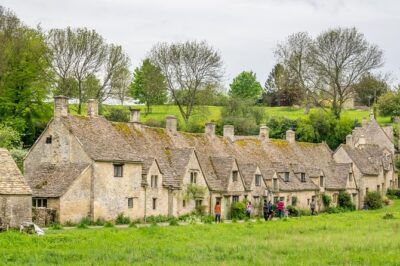
Oxford and Traditional Cotswolds Villages Small-Group Day Tour from London
Read our review →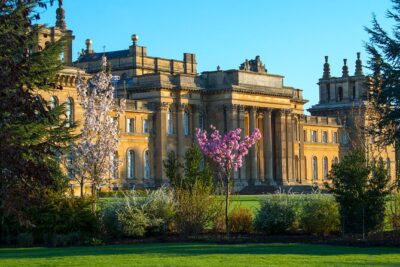
Downton Abbey Village, Blenheim Palace and Cotswolds Day Trip from London
Read our review →Browse the lists this tour appears in