Reviewed · TICKETS
Day Entry Ticket
Alan Turing’s world lives on in metal and motion. The National Museum of Computing is a focused, hands-on stop where you can trace how computers grew from wartime codebreakers to today’s mobile and internet era. I love the chance to see working historic computers up close, and I also like how the museum keeps the story moving with clear timelines and practical demos. One thing to consider, though, is that this site is separate from Bletchley Park, so your ticket experience is not the same thing as a Bletchley Park entry.
I also like the pacing: with a 2 to 6 hour window, you can go deep on the WWII machines or skim the broader evolution. If you’re short on time, plan your route before you wander, because there’s a lot to read and a lot to see.
In This Review
- Key things to know before you go
- Why the National Museum of Computing is worth your Milton Keynes day
- Skip-the-line style entry and the smart way to avoid ticket confusion
- Timing your 2 to 6 hour visit around opening hours
- Stop 1: The National Museum of Computing and the story told by real machines
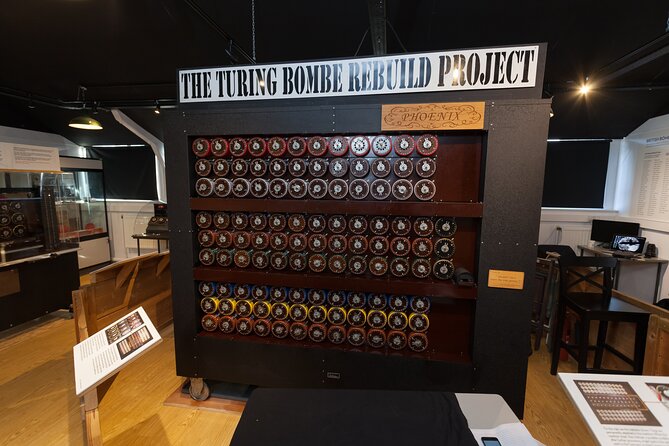
- From Turing-Welchman Bombe to Colossus era engineering
- Then the museum moves into big systems and mainframes
- Personal computing, retro games, and the mobile internet story
- A likely drawback to plan for
- What makes the talks and demonstrations matter so much
- Don’t miss the hands-on fun: old computer games and interactive stops
- Cafe, outside seating, and how to take breaks without losing your flow
- Getting there and staying comfortable: public transport and sensory support
- Price and value: what $20.83 buys you in real time
- Who should book this ticket, and who might want a different plan
- Should you book the National Museum of Computing entry ticket?
- FAQ
- How long does the National Museum of Computing entry last?
- What is the price of the ticket?
- Is the ticket mobile and in English?
- Is admission included?
- What are the opening hours?
- Is this ticket for Bletchley Park itself?
- What is the cancellation policy?
Key things to know before you go
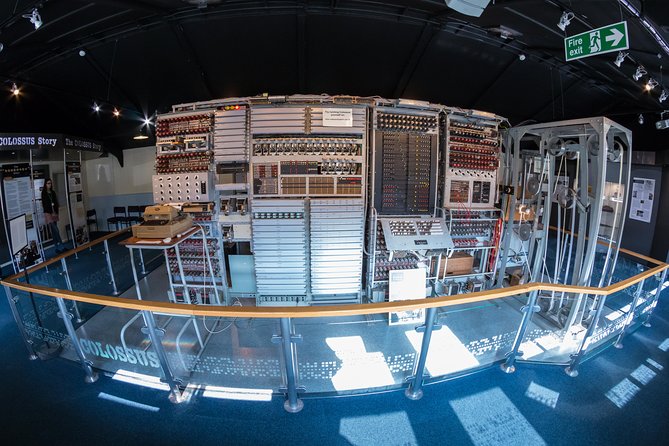
- Working WWII machines in motion make the history feel real, especially the reconstructed systems connected to codebreaking
- A clear computing timeline carries you from 1940s breakthroughs through large systems, mainframes, and later personal computing
- Retro games and hands-on sections give you a break from reading and help you remember what you just saw
- Friendly staff and patient explanations help if you’re not a hardware person
- A practical break setup includes a cafe for light refreshments and outside seating
Why the National Museum of Computing is worth your Milton Keynes day
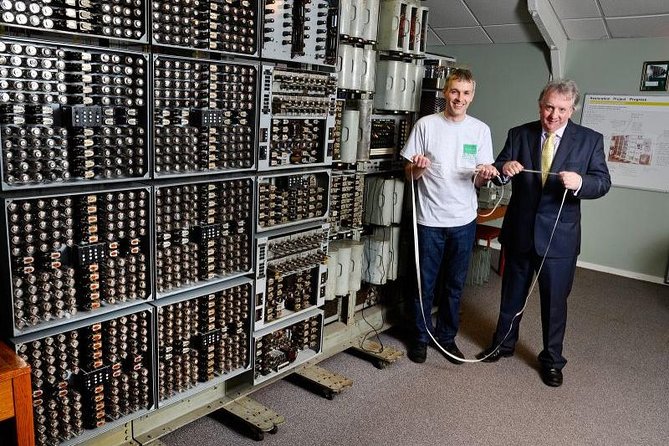
This museum is built for people who like how things work, not just what happened. You are stepping into a place where computer history is shown through machines that actually run, built to demonstrate the same kinds of logic that shaped computing. If you are in the Milton Keynes or Bletchley Park area, this is an easy way to add a technical layer to your day.
You get a storyline that starts in the 1940s, with the wartime era of codebreaking, and then it follows the development of computing through later decades. The museum frames it from the Turing-Welchman Bombe era, through machines tied to Enigma, Lorenz, and Colossus, and then onward to big systems and mainframes in the 1950s, 60s, and 70s. After that, the museum turns toward the rise of personal computing, retro games, and the growth of mobile computing and the internet.
What I find especially helpful is that the museum does not treat computing like a single straight line. It shows how different needs pushed different designs. That matters if you want the why behind the hardware, not just dates.
Also on in Milton Keynes, no fuss
Skip-the-line style entry and the smart way to avoid ticket confusion
This experience is sold as a day entry ticket with a mobile ticket option. It is priced at $20.83 per person, and it includes admission to the National Museum of Computing. In plain terms, you should be able to walk in with your phone ticket and focus on the visit instead of paperwork.
Here’s the practical caution: the National Museum of Computing is on the Bletchley Park site, but it is a separate museum from Bletchley Park itself. If you want one and not the other, double-check that your booking is for TNMOC, not the other site. That small detail can save you from paying twice and spending time on support instead of looking at machines.
If you are traveling with kids, a group, or anyone who hates waiting, a booked timed entry (even when the visit window is flexible) still helps your day. You will spend your energy learning, not standing in line.
Timing your 2 to 6 hour visit around opening hours
The museum runs on a steady weekly schedule. For the stated period, it is open Tuesday from 10:30 AM to 5:00 PM. The experience itself is listed as lasting 2 to 6 hours, so you should think of it as flexible, not strict.
That flexibility is useful because you can choose your style:
- If you love WWII tech, you can spend longer on the machines tied to codebreaking and then move quickly through later decades.
- If you are more into how computing evolved, you can do a broader sweep, then circle back to whichever sections feel most interesting.
My tip: arrive near opening time if you can. Early in the day, you get calmer viewing, and you have more energy for the reading-heavy parts of the story.
Also plan small breaks. There is a cafe for light refreshments and outside seating, so you can reset without leaving the site.
Stop 1: The National Museum of Computing and the story told by real machines
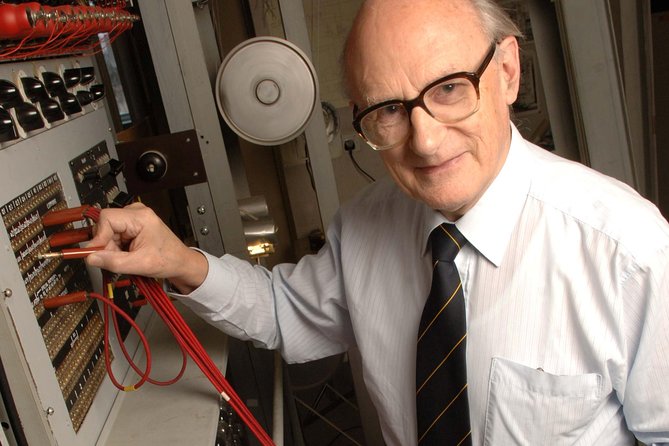
The heart of this visit is one main site: the National Museum of Computing. There is no hopping between venues here. You stay put and let the museum guide you through the history.
From Turing-Welchman Bombe to Colossus era engineering
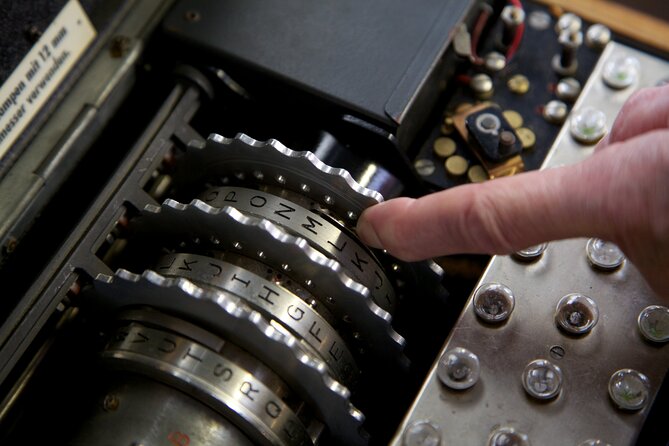
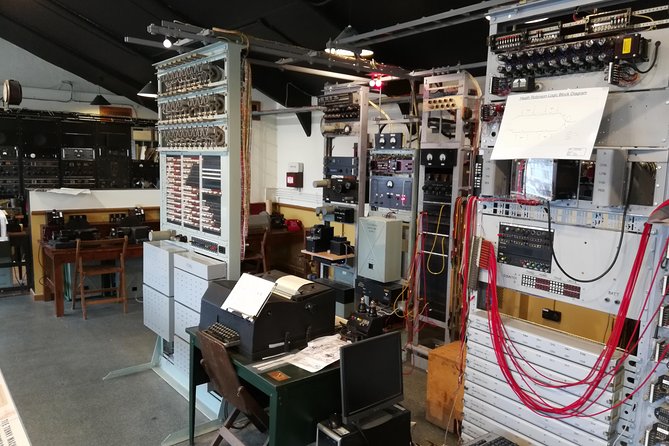
The museum’s strongest pull is how it connects computing history to wartime codebreaking. It highlights major systems from the 1940s, including the Turing-Welchman Bombe, and then follows with machines connected to Enigma, Lorenz, and Colossus.
Even if you have only a casual knowledge of this period, you will likely find something that clicks. The big difference from many history displays is the focus on the machine itself. When displays show how a device works in practice, the concepts stick.
Then the museum moves into big systems and mainframes
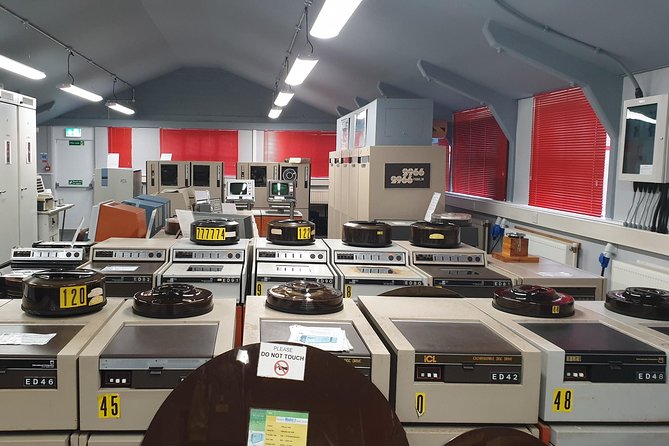
After the wartime era, you continue forward into the 1950s through the 1970s. This is where many people start to lose the plot, because large systems can feel abstract. The museum helps by keeping the progression readable, and by showing the link between what engineers needed and what they built.
Think of this as the era when computers became less like one-off wartime tools and more like infrastructure.
Personal computing, retro games, and the mobile internet story
Later exhibits turn toward personal computing and games. If you like fun elements, you should plan to spend time in the game area rather than rushing past it. That section is a nice reminder that computing is not only about war and paperwork. It is also about everyday creativity and interaction.
The museum also touches mobile computing and the internet, which helps tie what you just learned to the devices you already use.
A likely drawback to plan for
This museum is for people who enjoy technical history. If you prefer purely narrative storytelling with minimal engineering detail, you might feel like the content is dense. The fix is simple: pick a few anchors, like the Bombe and Colossus machines or the game section, and let those guide your path through everything else.
What makes the talks and demonstrations matter so much
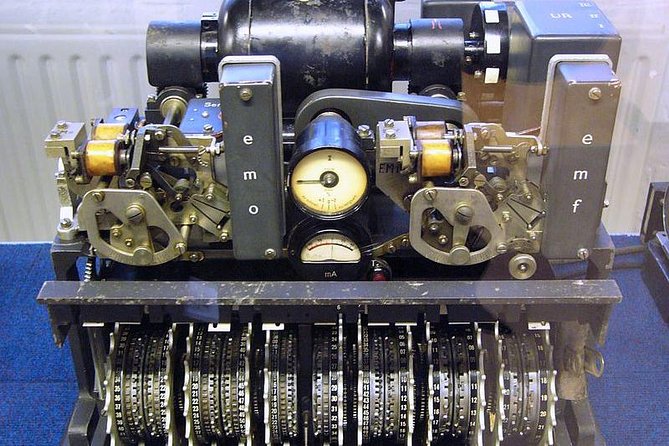
One reason this museum earns high marks is that the experience is not only displays behind glass. You get demonstrations tied to rebuilt machines, and those moments make the scale of the work feel real.
The museum also puts emphasis on staff explanations. You will find people who can explain what you are looking at in a patient, step-by-step way. That is a big deal in a museum like this, because many exhibits are easier to understand once someone points out what to notice.
If you are the type who reads labels quickly, shift your approach for this visit. Pause at the machines, then look again after you understand what they are doing. That simple change can turn a passing glance into a real understanding.
Don’t miss the hands-on fun: old computer games and interactive stops
A standout part of the experience is the playful side. There is a game section where you can try retro computer games. This is not just a break from history. It helps you connect the hardware story to how people actually used early computers.
If you like learning by doing, plan to spend time here even if you are on a tight schedule. It is also a practical way to engage kids or teens who might otherwise tune out when the content gets technical.
Cafe, outside seating, and how to take breaks without losing your flow
You do not need to leave the museum area to recharge. There is a cafe for light refreshments, and you can use outside seating when weather works in your favor.
That matters because a 2 to 6 hour visit can feel long if you keep pushing nonstop. A quick break also gives you time to think about what you saw. When you return to the next section, you often notice different details because your brain has reset.
Getting there and staying comfortable: public transport and sensory support
This museum is near public transportation, which helps if you are basing yourself in central Milton Keynes or nearby towns. You can keep your day simple by planning for public transit instead of a complicated parking hunt.
It is also built with accessibility support in mind. Service animals are allowed, and sensory maps are available. If you or your group uses sensory tools to manage the visit, ask for them when you arrive so you can get oriented early.
And because most travelers can participate, you can generally plan a visit without needing a specialized setup beyond what you would normally bring to any museum day.
Price and value: what $20.83 buys you in real time
At $20.83 per person, the ticket feels very reasonable for what you get. You are paying for access to a single, high-focus museum with working historic computers, major wartime machine stories, and hands-on elements like games. The value improves if you plan to spend closer to the longer end of the 2 to 6 hour window, because the museum has enough depth to justify it.
Also, the fact that it is a booked entry with a mobile ticket is part of the value. You reduce friction at arrival and get to the fun part faster.
Booking tends to happen about 18 days in advance on average. If you have a specific Tuesday in mind, it is smart to book ahead so you can lock your time and keep the rest of your day flexible.
Who should book this ticket, and who might want a different plan
This is a great fit if you are any of the following:
- A history lover who likes wartime technology and how it shaped modern computing
- A tech geek, student, or anyone curious about how computers evolved from hardware to everyday use
- A family group that includes at least one person who likes machines or old games
It may be less ideal if everyone in your group mainly wants scenery and broad museum vibes with minimal technical content. In that case, you can still enjoy it, but you should go with a plan to focus on a few highlights instead of trying to absorb everything.
Also, if you are already visiting Bletchley Park, treat this ticket as the technical companion. The two sites together cover different sides of the same story, and that pairing is often the best use of your time.
Should you book the National Museum of Computing entry ticket?
Yes, if you want a practical, machine-first history stop in the Milton Keynes area. The experience is easy to manage because it is one museum, your entry includes admission, and you can right-size the visit to your interests with a 2 to 6 hour window.
Book it with one key check: confirm your ticket is for the National Museum of Computing, not the other Bletchley Park site. If you do that, you will likely leave feeling like you actually understood how computing changed, not just memorized names.
FAQ
How long does the National Museum of Computing entry last?
The experience is listed as lasting about 2 to 6 hours, so you can spend more time on the exhibits you care about most.
What is the price of the ticket?
The price shown is $20.83 per person.
Is the ticket mobile and in English?
Yes, it’s a mobile ticket, and it is offered in English.
Is admission included?
Yes, the admission ticket is included with this experience.
What are the opening hours?
For the provided period, it is open on Tuesday from 10:30 AM to 5:00 PM.
Is this ticket for Bletchley Park itself?
No. The National Museum of Computing is a separate museum from Bletchley Park, even though both are located on the Bletchley Park site.
What is the cancellation policy?
You can cancel for a full refund up to 24 hours before the experience start time. If you cancel less than 24 hours before, the amount paid is not refunded.
Latest to join the queue for Milton Keynes

Tickets, compared.

Tower of London and Crown Jewels Exhibition Ticket
Read our review →

Alton Towers Resort 1 Day Admission Ticket
Read our review →



Chessington World of Adventures Resort Admission Ticket
Read our review →