
Reviewed · GUIDED WALKS IN LONDON
Crime and Policing London Walking Tour
Follow the clues through London policing history. This crime and policing walking tour threads major landmarks into a story of how law enforcement grew in the city. I especially like the human angle, a guide who has worked the job, and the tangible payoff of historic police regalia you can examine up close.
You’ll also get a small-group feel, max 20 people, with time to ask questions and keep the pace gentle. The route moves between famous squares and police-related sites, like Trafalgar Square and Scotland Yard, but you’re not doing a museum marathon. One drawback to consider: it is still a city walk in central London, so wear comfortable shoes and expect brief stop-and-story moments rather than long indoor visits.
By the time you finish near New Scotland Yard, you’ll have a clearer map of where policing in London took shape, from early magistrates and the Bow Street Runners to later institutions and public moments watched by officers. It’s a great way to see London sights with an extra layer of meaning, minus the stuffiness.
In This Review
- Key highlights you will care about
- Why this London crime and policing walk is built for real sightseeing
- Starting in Covent Garden, then heading straight to Bow Street’s policing roots
- Aldwych and the harder part of the story: unsolved crime and international intrigue
- Charing Cross: busy policing, grisly tales, and the Blue Lamp
- Northumberland Avenue: the Sherlock Holmes Pub stop plus Great Scotland Yard
- Trafalgar Square: celebrations, demonstrations, and a tiny police station watching it all
- Whitehall and Downing Street: policing meets government, plus women in wartime
- Great Scotland Yard again, then the Metropolitan Police revolving sign moment
- Finishing near New Scotland Yard, then rolling into the rest of your Westminster day
- What you actually get during the walk (and what you should bring)
- How to decide if this tour fits your London style
- Should you book Crime and Policing London?
- FAQ
- How long is the Crime and Policing London walking tour?
- What does the tour cost?
- Where does the tour start and where does it end?
- What language is the tour offered in?
- Is the tour small-group?
- What is included in the tour?
- What is the cancellation and weather approach?
Key highlights you will care about
- Former police officer perspective on cases, procedures, and London’s changing priorities
- Real police regalia to examine as part of the included kit
- Bow Street as a policing starting point, tied to early magistrates and the Bow Street Runners
- Scotland Yard area focus, including Great Scotland Yard and the famous policing sign
- Top central sights with context, including Trafalgar Square, Whitehall, and Downing Street
- A small group of up to 20, usually easier to hear and ask questions
Why this London crime and policing walk is built for real sightseeing
London tours can fall into two traps. Either you get a lot of facts but no feeling for how the city functioned, or you get spooky stories with no historical backbone. This one aims for the middle: you walk through recognizable areas, then connect them to how policing actually evolved.
The pricing also makes sense for what you get. At about $48.61 per person for 2 hours 15 minutes, you are buying guided time with a former officer plus included kit and equipment. Many walking tours in central London charge similar rates for storytelling only. Here, you also handle historically themed items, which makes the experience more than just looking at buildings.
The pacing is another practical win. It’s described as a gentle pace, and there are refreshment and toilet stops available if you need them. That matters because central London can be uncomfortable fast, even in good weather.
One more reason I like the design: the route covers the policing story while still landing you near the places you would visit anyway. You start around Covent Garden and finish near Westminster, so you can roll into a classic day of sights afterward.
More Guided Walks in London
Starting in Covent Garden, then heading straight to Bow Street’s policing roots
The tour begins near Covent Garden Underground, then you head toward one of the most important early policing anchors in London: Bow Street. This is not a random stop. Bow Street is closely linked with the earliest organized ideas of policing, and you’ll see the Police station and Magistrates Court that sit at the center of that story.
At Bow Street, the tour connects the legal and enforcement worlds. You’re not just seeing a landmark, you’re learning why it mattered: this is where policing was introduced in the way people recognize it today, and it connects to the Bow Street Runners, the famous figures associated with early crime-fighting in London.
Why this works for you: it gives your brain an origin point. Once you understand where the system began, later stops like Scotland Yard and Metropolitan Police make more sense. You’ll be able to see the city’s institutions as something that grew step by step, not as random name changes.
A practical consideration: this stop is short, about 10 minutes, so keep your questions ready for the guide if you want deeper discussion.
Aldwych and the harder part of the story: unsolved crime and international intrigue
Next up is the Aldwych area, where the tour points to one of London’s saddest unsolved murders and ties it to international espionage and murder. The point here is not just that something happened. It’s the bigger idea that London crime and politics often overlap, especially when international interests enter the picture.
If you like crime history, this kind of stop is gold because it adds texture. Some walks focus on well-documented cases only. This one is willing to lean into mystery and uncertainty, which can make the storytelling feel more human and less like a lecture.
Keep your expectations realistic. You’re viewing locations and hearing stories, not watching a courtroom reenactment. But for a walking tour, the balance of place plus narrative is the right size.
Charing Cross: busy policing, grisly tales, and the Blue Lamp
At Charing Cross, the tour shifts into the darker, grittier street-level side of the story. You’ll hear tales of murder and mayhem, then see a major police presence in an area that is still central and busy.
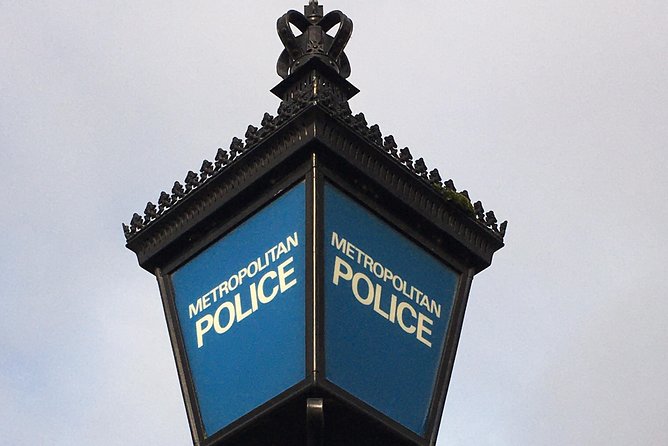
Two things stand out here. First, the focus on one of the busiest police stations in Europe gives you a sense of scale. Second, the Blue Lamp reference ties policing to a recognizable iconography, something you can imagine in period visuals and later cultural memory.
Why this matters for you: after Bow Street, you might think early policing was small and local. Charing Cross helps correct that. It shows how policing became embedded in London’s daily movement.
Tip: this is another 10-minute stop. If you want context on how policing handled cases in the past, this is the moment to ask your guide what they think is misunderstood about that era.
Northumberland Avenue: the Sherlock Holmes Pub stop plus Great Scotland Yard
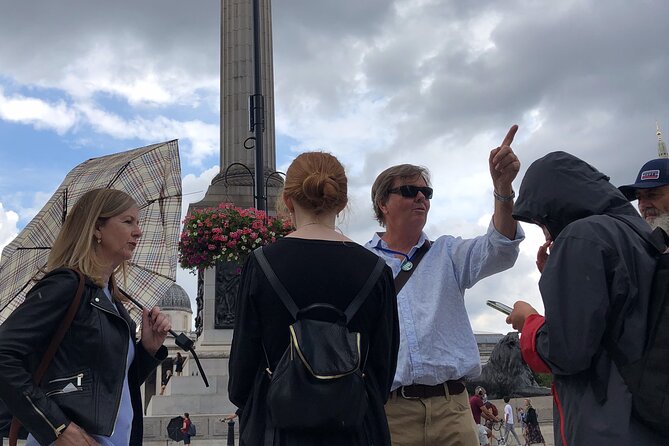
This part of the route is a fun tonal reset. You stop at the Sherlock Holmes Pub, connected to Arthur Conan Doyle and the fictional detective. It’s a quick moment, about 20 minutes total here, and it gives you a chance to step away from the heavier tone for a bit.
Then the tour crosses toward Great Scotland Yard. This is where the story becomes more “institutional,” where you connect streets and sights to the operational center of London policing.
The pairing is clever. Fiction and policing sit side by side in London’s imagination, and the tour uses that connection to help you see how policing culture became part of public storytelling.
A small practical note: since you’re stopping for a drink option, it can help to bring cash or a card just in case. Also, do not over-plan your next stop. The tour schedule here is built into the walk.
More England on foot, brolly optional:
- Westminster Guided Walking Tour with Abbey Entry★ 5.0 · 1,282 reviews
- Walking Tour of London Westminster Abbey, Big Ben, Buckingham★ 4.5 · 1,213 reviews
- London West End Musical Silent Disco Walking Tour Top 1% Rated★ 5.0 · 1,057 reviews
- Westminster 3 Hour Walking Tour and Visit of Churchill War Rooms★ 5.0 · 967 reviews
Trafalgar Square: celebrations, demonstrations, and a tiny police station watching it all
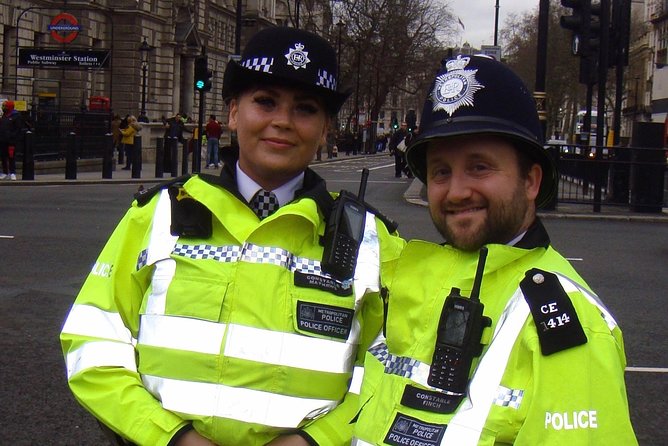
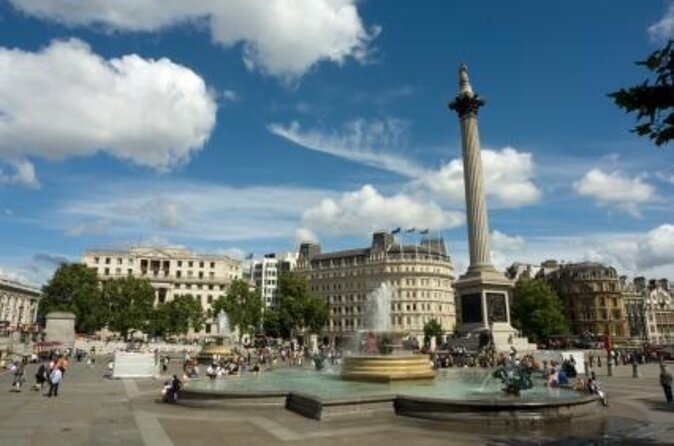
At Trafalgar Square, you get a vivid picture of policing in public spaces. National celebrations, demonstrations, and riots have all played out in this area, and the tour points to the role of police watching those moments.
The detail about the world’s smallest police station is one of those London facts that sounds odd until you imagine it functioning in a giant public arena. Even if the stop is brief, about 10 minutes, it adds a key idea: policing is not only about crime scenes. It’s also about crowd control, public order, and rapid response in high-visibility places.
Why you’ll probably remember this: it’s where the “crime and policing” theme stops being abstract. You see the square where big national emotions happen, then the story explains how officers fit into the picture.
Whitehall and Downing Street: policing meets government, plus women in wartime
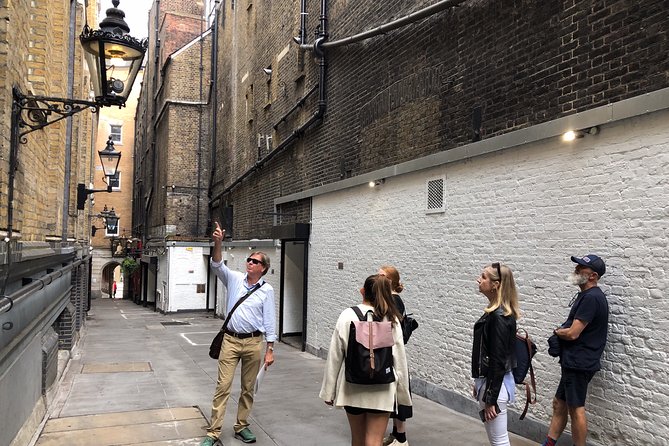
At Whitehall, you’ll see the heart of government, including Downing Street. The tour then adds two important angles: the role of women in policing and the police in wartime London.
This is a strong section because it broadens the “crime” idea beyond one type of story. Police history includes training, staffing, and social change. During wartime, roles and priorities shift quickly, and the tour uses that to show how the police force adapted.
If you want a balanced view, this stop helps. Not every “crime tour” stays stuck on murders. Here, you get the institutional pressures that shape how policing operates at scale.
Great Scotland Yard again, then the Metropolitan Police revolving sign moment
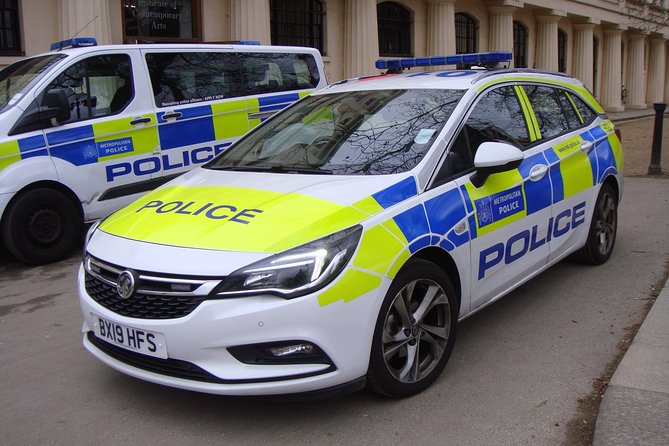
The tour circles back into a final deeper look at Great Scotland Yard, including how London policing was created there, with the first police HQ referenced in the story. The goal is to cement the idea that this region is not just famous, it is foundational.
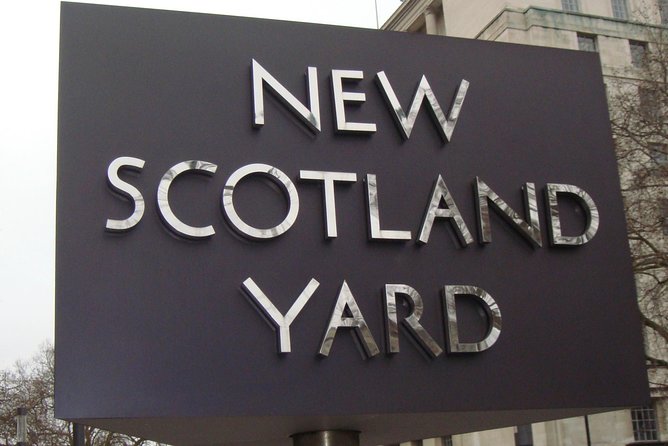
Then you hit the Metropolitan Police area, where you’ll see the iconic revolving sign famed throughout the world. It’s one of those details you can spot in your photos afterward and say, I know exactly why that landmark is meaningful.
Why this works: after government and public order, you return to a recognizable operational symbol. It helps you organize the whole mental timeline from early magistrates, to major police HQ, to modern branding and visibility.
Finishing near New Scotland Yard, then rolling into the rest of your Westminster day
The tour ends at 35 Victoria Embankment, near New Scotland Yard. The finish is described as a short walk from Westminster Underground, which is the kind of detail that saves you time if you plan to keep sightseeing right after.
This ending also fits the theme. You started near Covent Garden, then moved steadily toward the policing core and government center. Finishing near New Scotland Yard means you end close to a lot of the classic “Westminster loop,” without needing extra transportation planning.
What you actually get during the walk (and what you should bring)
This experience is built around a walking format with mobile tickets and a maximum group size of 20. That matters because smaller groups are easier for a guide to manage, and you’ll have a better chance of hearing answers without craning your neck.
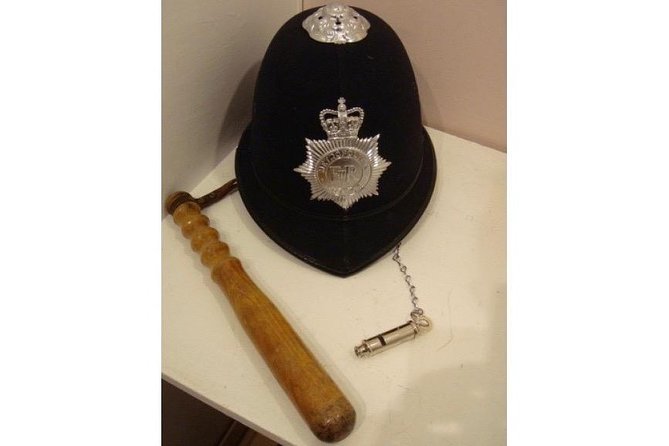
Included in the tour is kit and equipment, including the opportunity to examine real historic items of police regalia. That is one of the best value elements, because it turns the story into something tactile.
For what to bring:
- Comfortable footwear is strongly recommended, since it is still central London walking.
- If you’re prone to getting cold or hot, dress in layers. Weather changes quickly, and you will be outside.
- If you care about questions, write a couple down before you start. The shorter stops make smart questions worth it.
One more thing to know: the tour is in English, service animals are allowed, and it is said that most travelers can participate. Also, you’ll be taking on the pace at a gentle walk, not a sprint.
How to decide if this tour fits your London style
I think this is a strong match if you like:
- London history that connects to how institutions work
- crime stories with a real-world policing angle
- seeing famous places while learning why they matter beyond postcards
- a guide who can explain the past and how it connects to today
It might be less ideal if you expect:
- long museum-style access at each stop
- mostly indoor time
- a purely lighthearted route with no darker subject matter
- a deep dive into every case in a single day
Still, for most people, this hits a sweet spot. You get top landmarks plus an extra lens, and the two hours plus is a manageable chunk of a trip day.
Should you book Crime and Policing London?
If you want a London walking experience that feels both practical and story-driven, I would book it. The value is solid for the time, the group size keeps it personable, and the included chance to examine historic police regalia is the kind of detail that makes the tour more memorable than another “look at the building” stroll.
If your ideal tour is only cheerful and you hate crime topics, you might skip it. Otherwise, if you enjoy how London’s systems formed and changed, this is a smart way to spend a morning or afternoon and come away with a clearer sense of the city’s policing history.
FAQ
How long is the Crime and Policing London walking tour?
It runs for about 2 hours 15 minutes.
What does the tour cost?
The price is $48.61 per person.
Where does the tour start and where does it end?
It starts at Covent Garden Underground Ltd, Long Acre, London WC2E 9JT and ends at 35 Victoria Embankment, London SW1A 2JH, near Westminster Underground.
What language is the tour offered in?
The tour is offered in English.
Is the tour small-group?
Yes. The tour has a maximum of 20 travelers.
What is included in the tour?
The tour includes kit and equipment, including the opportunity to examine real historic items of police regalia.
What is the cancellation and weather approach?
You can cancel for a full refund if you cancel up to 24 hours in advance of the experience start time. The experience requires good weather. If it is canceled due to poor weather, you will be offered a different date or a full refund.
Latest to join the queue for London



Guided Walks in London, compared.
Tour for Muggles The Ultimate Harry Potter Walking Tour in London
Read our review →
Changing of the Guard Guided Walking Tour in London
Read our review →
The Great British Rock and Roll Walking Tour
Read our review →
Westminster Guided Walking Tour with Abbey Entry
Read our review →
Walking Tour of London Westminster Abbey, Big Ben, Buckingham
Read our review →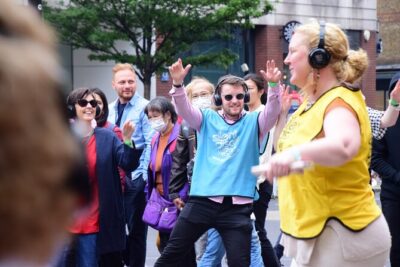
London West End Musical Silent Disco Walking Tour Top 1% Rated
Read our review →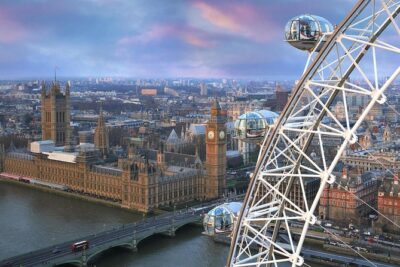
Westminster 3 Hour Walking Tour and Visit of Churchill War Rooms
Read our review →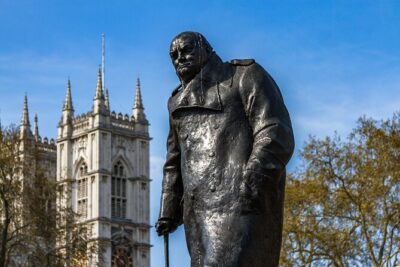
WW2 London Walking Tour & Churchill War Rooms Entrance Ticket
Read our review →Browse the lists this tour appears in