
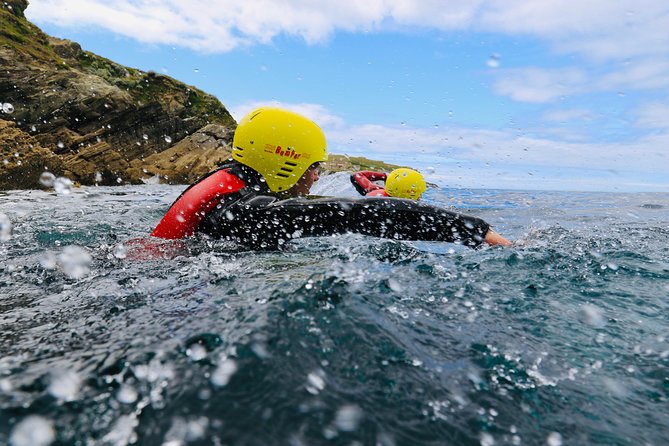
Reviewed · NEWQUAY TOURS & ACTIVITIES
Coasteering
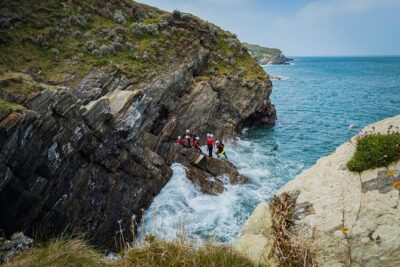
Rough coastline days in Cornwall are different, and coasteering is the real thing. In Newquay, this 3-hour Quest Coasteer Adventure turns jagged rocks into a guided route, with professional instruction and safe jump options that match your group. You also get plenty of time doing the fun stuff, not just watching from the shore.
I also like the way the guides make it work for mixed abilities, with instructors such as Dale and Bertie (and others like Rosa, Pete, Nick, and Scot mentioned in trip feedback) keeping everyone moving, from first-time climbers to confident jumpers. One consideration: you do need moderate physical fitness, and you should plan for being wet and handling uneven rock surfaces.
Key points to know before you go
- All-tide flexibility: coasteers can head out at different stages of the tide, with options switching by conditions
- Gear included: wetsuit, buoyancy aid, and helmet are provided
- Jump and climb matched to you: your route and options adapt to the group’s ability
- Wildlife and rock pooling time: you follow a planned coastline route to see sea life
- Small groups: maximum of 16 travelers, so you get attention when you need it
In This Review
- Why Newquay coasteering feels like Cornwall in motion
- Meeting at Quiksilver Surf School Newquay, then back again
- The gear you get, and why footwear matters
- How the first briefing turns you into a coasteering team
- The coastline route: coves, sea life, and rock pooling
- Caves and caving time: fun, but not a free-for-all
- Jumps off ledges: options from small to truly scary
- Tides and weather: why they matter here
- Who the guide makes it for: families, groups, and mixed abilities
- Price and value: what you pay for, and what you actually get
- Getting wet, staying comfortable, and packing smart
- How far in advance should you book?
- Should you book this Newquay coasteering trip?
- FAQ
- Where does this coasteering tour start?
- How long is the coasteering experience?
- What is included in the price?
- What should I bring since foot wear is not included?
- What fitness level do I need?
- How many people are in a group?
- What language is the tour offered in?
- Can service animals join the activity?
- Does it run at different tide times?
- What happens if the weather is poor or plans change?
Why Newquay coasteering feels like Cornwall in motion
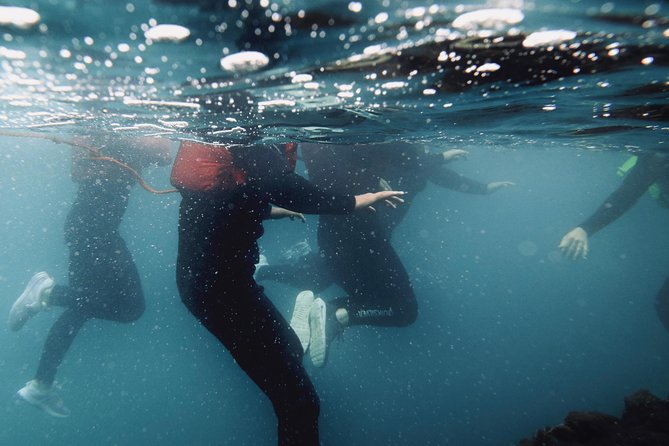
Coasteering is part obstacle course, part coastal wildlife walk, and part jumping contest, except someone else does the setup so you can focus on the moment. In Newquay, you’re right where the coastline is dramatic, the rocks are close to the water, and the scenery keeps changing every few minutes.
What I like most is that this trip is not one-size-fits-all. Quest Coasteer Adventures combines climbing, wild swimming, rock pooling, caving, and jumping, and then tailors the exact mix to your group. In practice, that means you’re less likely to feel stuck on the sidelines, and more likely to feel like the day is built around you, even if your group includes kids plus adults, or beginners plus the bold ones.
Also, the guides are a big deal here. Feedback repeatedly calls out how instructors are encouraging and focused on safety. You’ll see names like Dale and Bertie, plus Rosa and Pete, Nick, and Scot showing up as the kind of people who explain things clearly and keep things fun.
Meeting at Quiksilver Surf School Newquay, then back again
Your coasteering day starts at Quiksilver Surf School Newquay, at The Esplanade Hotel area on Esplanade Rd (TR7 1PS). The good news is you don’t need to figure out multiple transfers. The activity ends back at the same meeting point, so you can plan a simple half-day around it.
The tour is offered on weekends during the 2026 season dates listed, with sessions running from 9:00 AM to 3:00 PM on Saturdays and Sundays. Your exact start time is arranged after you book, once the team contacts you, so it helps to be responsive when they reach out.
Because it is a coastal activity with changing conditions, it’s smart to arrive a bit early, so you can get suited up without rushing and so the group can start together.
Also on in Newquay, no fuss
The gear you get, and why footwear matters
You’re provided with the key safety kit: a wetsuit, buoyancy aid, and helmet. That’s a solid value boost because you don’t have to rent or buy these bulky items for one short adventure.
What’s not included is foot wear. That’s the part you should plan carefully. Coasteering involves wet rock, climbing, and scrambling, so your feet matter more than you think. You’ll want footwear that grips well and stays secure, because you’re depending on traction when you’re moving over uneven surfaces.
If you’ve never done anything like this before, think of your shoes as part of your safety gear, not just comfort.
How the first briefing turns you into a coasteering team
Before you move along the rocks, you should expect a quick but serious orientation. The guides are there to help you traverse rocks, climb, and jump safely. Even if your group is mixed, the instruction style aims to get everyone understanding the plan and the safe technique.
From trip feedback, one theme stands out: instructors are hands-on with kids and careful with first-timers. That matters because coasteering is not like walking a trail. You need basic confidence steps, like where to place your feet, how to handle ledges, and how to manage jumps so you’re not guessing.
Look for a guide-driven rhythm: explain, demonstrate or describe, then move. If you’re nervous, that’s normal. The best sign is when the guide keeps the focus on clear steps and encourages you without pressure.
The coastline route: coves, sea life, and rock pooling
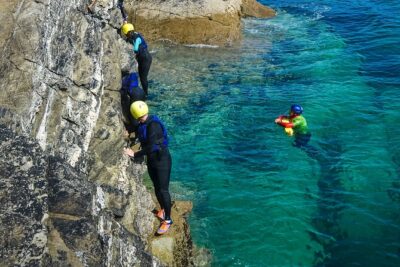
The route is planned to show you more than just dramatic cliffs. You’re guided along rocks and through spots that help you experience marine life up close. That includes stops where rock pooling and observation are part of the day.
In Newquay, the magic is that the coast keeps revealing different “rooms.” One stretch can feel like a scramble, then the next moment you’re in a small area where the water and the rocks create a natural habitat. Guides can pace you so you get time to look, not only time to move.
You should also expect wildlife time to be practical rather than “museum style.” In other words, you’re learning how to notice what’s around you as you go. Coasteering is an active way to see the coastline, and it’s a great fit if you’re traveling with people who get bored on slow sight-seeing days.
Caves and caving time: fun, but not a free-for-all
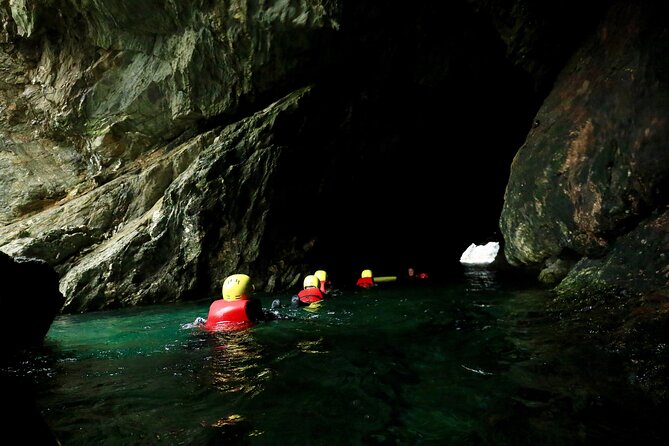
Part of the experience is caving, along with climbing and wild swimming. Caves can be the best part of coasteering if you like the sense of discovery. They also create a natural change in sound and light, so the day doesn’t become one long sequence of jumps.
But caves also mean movement through tighter spaces and careful footing. That’s where having a guide who stays alert matters. If you’re someone who likes structure, you’ll appreciate that the day is routed and timed, with safety guidance built in.
If you’re traveling with kids, this is often where the day feels like a real adventure. Feedback specifically mentions caves as a standout, with instructors helping younger travelers along step-by-step.
While the kettle’s on in Newquay:
- Newquay Coasteering x Cornish Wave | Original Since 2012★ 5.0 · 342 reviews
- Half-Day Coasteering in Newquay Cornwall★ 5.0 · 239 reviews
- Beginner Surf Lesson in Newquay, Cornwall★ 5.0 · 215 reviews
- Sea Kayak Lesson & Tour in Newquay★ 5.0 · 189 reviews
Jumps off ledges: options from small to truly scary
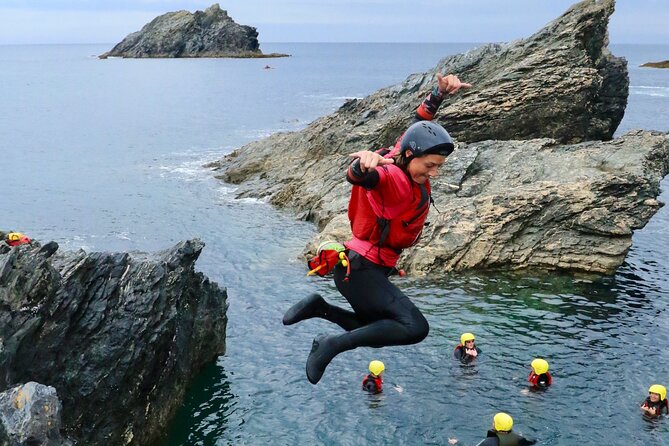
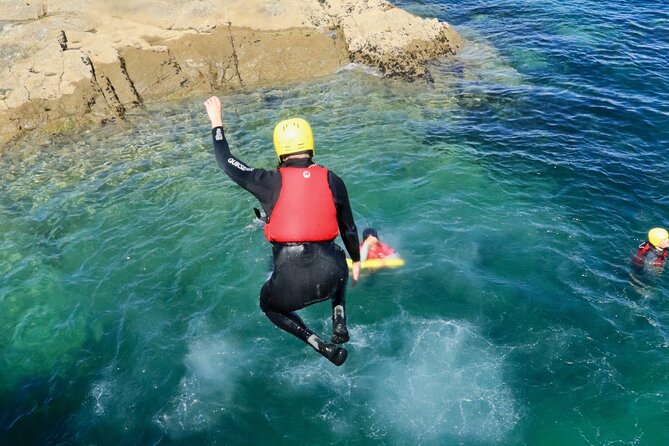
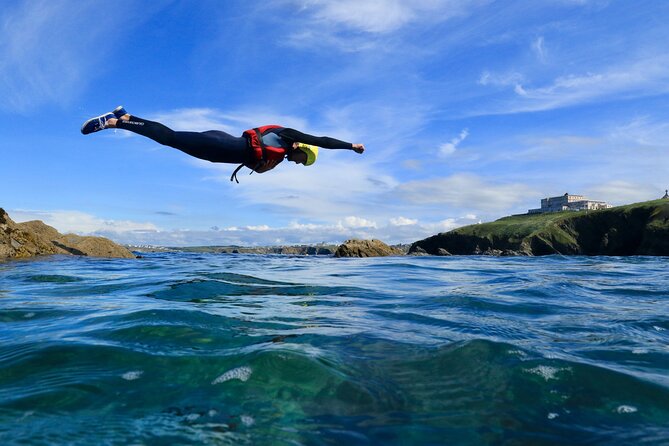
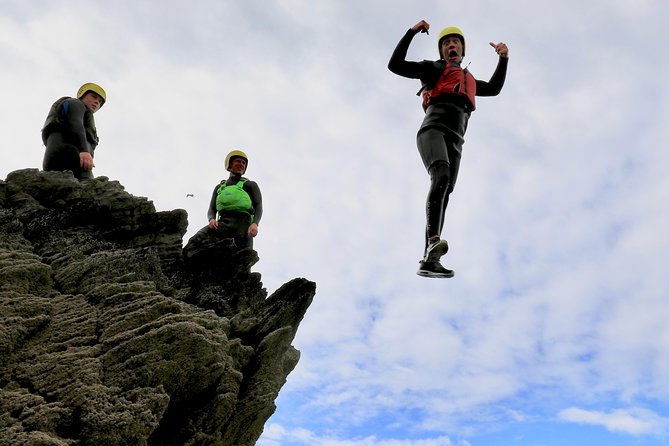
Jumping is the headline for most people. The good news is you’re not locked into one kind of jump. This coasteering experience includes climbing and jumping, and the route offers different jump options based on your group’s ability.
That is where safety meets freedom. You can get the adrenaline without being forced to do the biggest jump in the lineup. In feedback, guides are praised for encouraging the smaller ones and also reassuring adults who are unsure.
If you’re nervous about jumping, listen closely to what the guide says about timing and technique. The most helpful instruction is usually simple: where to stand, how to control your body on the way down, and how to approach the landing in the water. The goal is calm movement, not panic.
One fun detail: multiple accounts highlight the mix of jumps and caves, plus a feeling that there was no pressure to do something beyond your comfort. That makes the day feel like an adventure you can actually trust.
Tides and weather: why they matter here
Coasteering is tide-aware. This trip notes that coasteers can go out at all stages of tides, and they use different locations depending on weather conditions. Translation: the plan adapts.
That’s important for your expectations. In many coastal activities, you wait for one perfect tide window. Here, there’s more flexibility, which can make it easier to fit into your weekend.
Still, you are doing a weather-dependent activity. If conditions are poor, you might be offered another date or a full refund. And because the day is coastal, rain, wind, and swell can change how the guide chooses jump and swim spots.
My practical tip: when you’re in Newquay, treat your coasteering day like you’re planning around the sea itself, not just your calendar.
Who the guide makes it for: families, groups, and mixed abilities
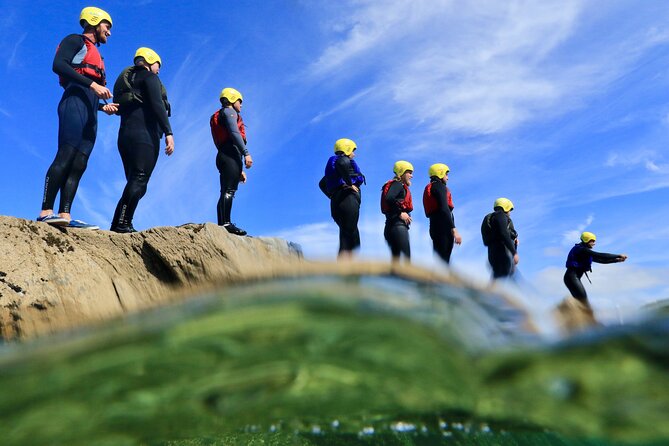
This works well for groups because the maximum group size is 16. In a small group, you get more attention, and you’re less likely to feel lost when you’re learning new movement skills.
It’s also built for mixed abilities. The experience can be introductory or more extreme depending on your group and comfort levels. If you have a mix of ages, this is often where coasteering beats a one-level activity, because the guide can offer different options along the route.
Feedback highlights exactly that family-friendly flexibility. Kids around ages 8 to 13 are mentioned doing cliff jumps, climbing, caves, and exploring. There’s also praise for guides being supportive with children, with one parent noting that their daughter got help step by step.
One more bonus element from trip feedback: some guides bring extra local flavor. There are references to local knowledge and even history alongside the jumps. If you like learning while you play, that’s a real plus.
Price and value: what you pay for, and what you actually get
At about $75.42 per person for roughly 3 hours, this is not a budget “just sign and go” activity. But it is also not just paying for the coastline. You’re paying for:
- Professional guidance for climbing, rock movement, and safe jumping
- Safety gear included (wetsuit, buoyancy aid, helmet)
- Time on an active route that includes wildlife viewing, rock pooling, and cave exploration
- A group size that stays capped at 16, which helps with instruction quality
If you were to add the cost of renting wetsuit and safety gear plus paying for a lesson elsewhere, the package starts to make sense quickly. The biggest value signal is the consistency of 5-star feedback and a 100% recommendation rate in the available reviews, especially for feeling safe and having fun at the right pace.
One more value note: coasteering guides are only as good as their ability to manage the group and read conditions. The praise for Dale and Bertie, plus the mentions of other instructors, suggests you’re getting more than “tour leading.” You’re getting coaching.
Getting wet, staying comfortable, and packing smart
Coasteering includes wild swimming and being close to the water the whole time, so yes, you should expect to get wet. Your wetsuit and buoyancy aid do the heavy lifting for warmth and floatation, but your comfort still depends on what you wear and how you handle the day.
Because foot wear is not included, this is the main packing gap. Bring or buy foot wear that works for wet rock. Then bring a plan for after: a dry layer and something warm for the ride back.
If you’re traveling with kids, you’ll be glad the day is only about 3 hours. It’s long enough to feel like a real adventure, but short enough that you’re not stuck waiting out fatigue.
How far in advance should you book?
On average, this kind of coasteering trip is booked about 7 days in advance. That’s long enough that you should not procrastinate if your weekend is set.
Also, the operation uses a mobile ticket, and you receive confirmation at booking time. That’s handy because you can keep it simple on your phone and focus on showing up ready.
If you’re coming to Newquay from elsewhere, pick your date first, then book your coasteering slot. Waiting until the last day can leave you with fewer time options.
Should you book this Newquay coasteering trip?
Book it if you want an active, coastal day with real instruction. This is a strong choice for people who like climbing and water time, and for groups where abilities vary. The guide support mentioned again and again, especially with kids, is a good sign that first-timers are treated with care.
Don’t book it if you want a low-effort sightseeing stroll. Coasteering is movement-heavy, and you should be comfortable with rock scrambling, changing water conditions, and a moderate physical effort level.
If you’re on the fence, I’d make the decision based on one question: do you want your Cornwall day to be hands-on and unpredictable in the best way? If yes, this coasteering outing is exactly that.
FAQ
Where does this coasteering tour start?
The meeting point is Quiksilver Surf School Newquay, The Esplanade Hotel, 9 Esplanade Rd, Newquay TR7 1PS, UK. The activity ends back at the same meeting point.
How long is the coasteering experience?
It lasts about 3 hours.
What is included in the price?
You get a wetsuit, buoyancy aid, and helmet.
What should I bring since foot wear is not included?
Foot wear is not included, so you will need to bring your own suitable shoes for wet rock and scrambling.
What fitness level do I need?
The tour requires a moderate physical fitness level.
How many people are in a group?
There is a maximum of 16 travelers.
What language is the tour offered in?
The experience is offered in English.
Can service animals join the activity?
Yes, service animals are allowed.
Does it run at different tide times?
Coasteers can go out at all stages of tides, with different locations used depending on the tide and weather.
What happens if the weather is poor or plans change?
The experience is non-refundable and cannot be changed. If it is canceled due to poor weather, you will be offered a different date or a full refund. If the minimum number of travelers is not met, you’ll be offered a different date or a full refund.
Latest to join the queue for Newquay


Newquay Tours & Activities, compared.

Newquay Coasteering x Cornish Wave | Original Since 2012
Read our review →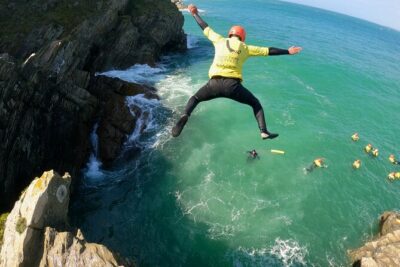
Browse the lists this tour appears in